How to Build a Mold Quality Traceability System? A 2026 Quality Traceability Landing Plan for Mold Factories
2026-10-14 08:14:36
Molds returned by customers often leave the factory unable to tell which process went wrong — let alone tracing the specific steel batch, operator, or equipment inspection records involved. Root-cause tracing used to rely on paper records and ledger flipping — inefficient, prone to gaps, and when trouble truly strikes, the data is never complete.
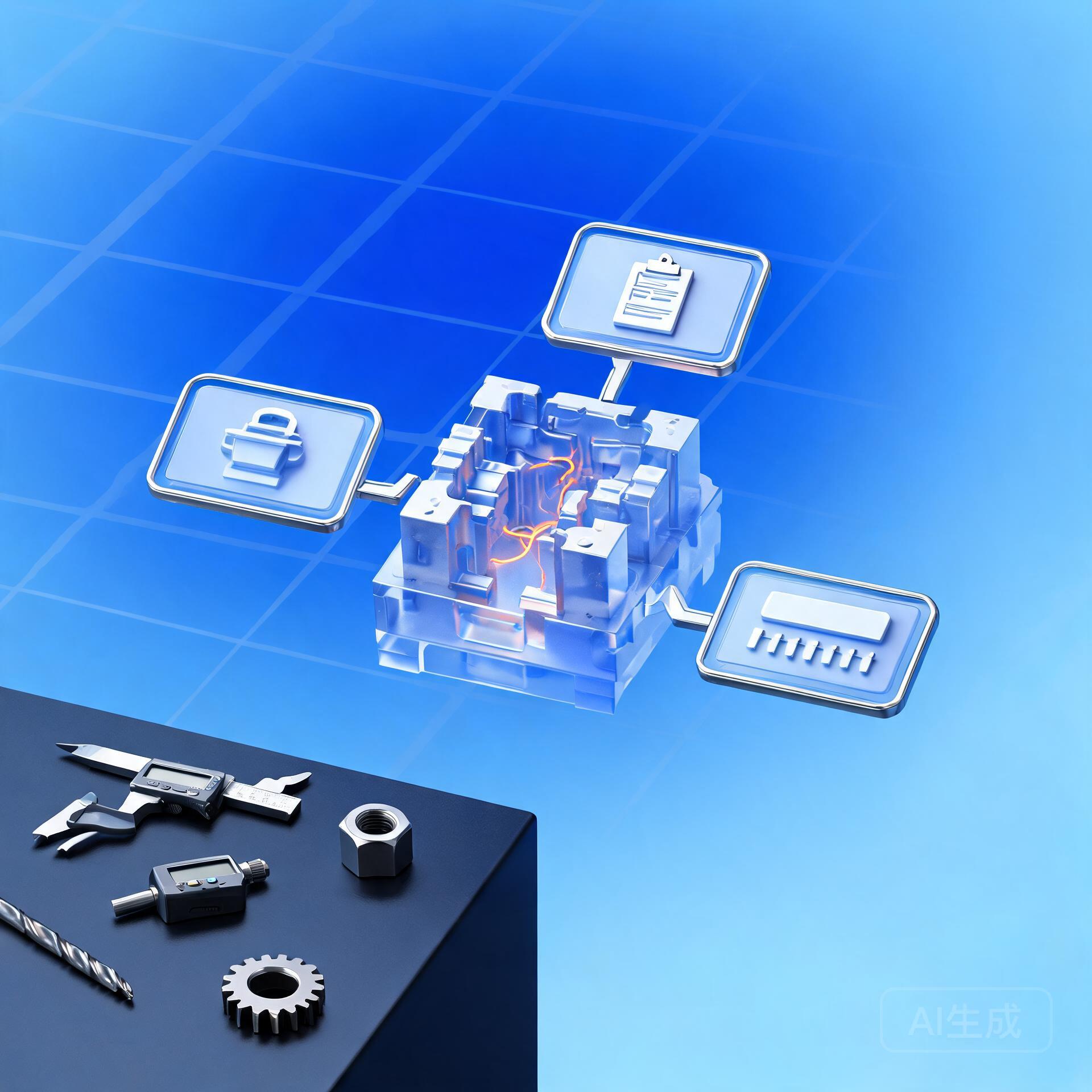
The quality traceability system exists to solve this pain. It chains every quality data point from raw material entry to finished-goods delivery into a complete traceability chain. When a customer reports a cracked part, the system locates within seconds which furnace of material, which heat treatment, and which shift's inspection it was — even linking to whether other molds of the same batch have similar problems.
1. Why Mold Factories Must Build Quality Traceability
Several characteristics of the mold industry make tracing harder than in ordinary discrete manufacturing. Molds are non-standard parts — each one's shape, material, and process parameters differ; production cycles are long — from cutting to trial takes weeks to months; and processes are many — roughing, finishing, heat treatment, surface treatment, assembly and commissioning — each capable of affecting final quality.
Without a traceability system, mold factories facing quality problems can only speculate by experience. Say a customer reports burrs on the mold — the process supervisor may suspect a certain heat treatment by gut feeling, but cannot produce an evidence chain to confirm. In the end it is either rework to make do or wrangling with the customer — both cost and reputation suffer.
Increasingly, downstream customers — especially OEMs in automotive, home appliances, and medical devices — list "quality traceability capability" as a hard indicator in supplier audits. Mold factories without complete traceability records get screened out even at bidding.
2. The Core Stages of a Quality Traceability System
A complete mold quality traceability system's data collection points must cover five stages.
Raw material entry: when steel, copper, electrodes, and other main materials arrive, the system automatically generates material batch barcodes, binding suppliers, furnace numbers, and material certificates. Every subsequent mold's BOM references this batch number.
Machining processes: before CNC, EDM, wire cutting, milling, and every other process starts, the operator scans the work order barcode; the system automatically records the worker ID, start time, and machining equipment. After completion, machining parameters are entered or collected automatically. This layer is the traceability chain's skeleton.
Inspection points: first-article inspection, in-process patrol checks, final inspection, post-heat-treatment hardness tests, and dimension measurements — all inspection data must be entered in structured form. Many factories' inspection records used to be scattered Excel files or paper slips — nightmarish to search. The system requires inspection results to bind directly to work order batches.
Stock-in and shipping: finished goods generate a finished-product traceability code at stock-in, linking all preceding quality records. After shipping scans, if the customer has problems, scanning this code pulls the complete history.
After-sales feedback: for molds complained about or returned, the system traces the entire chain backwards from the finished-product code and outputs an analysis report. This is where traceability truly creates value — not archiving for archiving's sake, but locating root causes and improving processes.
3. Comparing Three Landing Models
Mold factories building quality traceability have roughly three models to choose from. Selection should match your informatization base and budget — do not blindly adopt the heaviest scheme.
| Model | Implementation | Applicable scenario | Investment cycle | Cost range |
|---|---|---|---|---|
| Lightweight barcode tracing | Work orders + barcode scanning + Excel aggregation, replacing paper records gradually | 10-30 person small factories starting traceability | 1-2 weeks | RMB 30,000-80,000 |
| Deep MES integration | Machining equipment connected via OPC UA / Modbus, auto-collecting process parameters and device status | Medium factories with ERP basics wanting real-time traceability | 4-8 weeks | RMB 150,000-350,000 |
| Full life-cycle digital twin | Full data modeling from raw material procurement to mold disposal, with 3D visualization | Large factories or groups with demanding downstream customers | 3-6 months | RMB 500,000+ |
By return on investment, most mold factories take the middle path — first solidifying MES's quality module, with barcode tracing and equipment collection adopted together. The lightweight model's transition period is so short it may soon need tearing down and redoing; the digital twin plan is the most feature-complete, but many small and medium factories do not yet need such deep analysis dimensions.
The key is confirming at selection that the system can connect with your existing ERP and finance software. Many factories adopt a traceability system only to find it keeps separate books from the original ERP — staff enter data twice, and the system becomes a burden. Have the vendor demonstrate integration at selection, or find a system with proven integration experience.
4. Moges Mold MES's Quality Traceability Capabilities
Moges's mold MES (PMS9) designs traceability as an underlying capability running through the system, not a standalone function module.
At work order issue, the system automatically generates a unique traceability number for each mold; subsequent raw material batches, each process's machining records, and every inspection result mount under this traceability number. Shop operators scan-code report, with the system auto-linking operator, equipment, and shift; after completion, inspection enters results, with non-conformances flowing straight into the rework flow with reason codes recorded.
Traceability queries work both ways — forward tracing from a material batch finds which molds used it and which customers they sit at; reverse tracing enters the customer-reported finished-product code and pulls the complete chain report in seconds. The report marks key nodes' inspection data, equipment status, and operator records, automatically linking other molds of the same batch's quality records to judge whether it is a systemic problem.
The system also has built-in non-conformance handling flows and quality statistics reports — monthly statistics of each process's defect rate, common defect types, and TOP 5 problem processes help the process department improve targeted.
5. Final Words
Quality traceability is not a compliance burden — it is the mold factory's core capability for protecting itself and winning higher-tier customers. Few factories in the industry today can do real-time traceability; landing early builds differentiated competitiveness.
For most mold factories, no need to chase a perfect all-in-one system. Start from barcode scanning plus structured inspection data entry; after running one month, see which links lack data and add the corresponding collection points — this iterative path carries lower risk and lands faster than adopting the full suite at the start.