Asking Around for Mold Production Progress? Moges Mold Management Software Makes Progress Visible in Real Time
2012-08-29 00:00:00
In most mold shops, progress is not unmanaged; it is unmanageable. From sales quotation tracking, to design review and change confirmation after order intake, then to procurement inquiries, machining scheduling, workpiece progress monitoring, assembly and mold trials, and inspection and delivery—steps follow one after another; if any link breaks, days of earlier work are wasted. When equipment resources tighten, staff still have to free their hands to manage the progress and quality of outsourced parts.
Inside the shop it is no easier. Mold machining depends on experienced masters, and manpower, equipment resources, and the shop floor must be coordinated at the same time. As a production supervisor, nearly half of each day is spent asking about process progress, just to answer the boss, the sales department, and the customers asking "how far along is it". This seemingly simple question requires a large amount of information to look up.
An example makes it clearer. A small mold shop may have more than fifty molds in production, each mold with dozens or even hundreds of workpieces, and each workpiece requiring multiple processes such as heat treatment, wire cutting, EDM sparking, and grinding. What lands in front of the manager is simultaneously tracking more than a thousand workpieces across different processes. Even the most energetic person can only work overtime every day "fighting fires"; progress still falls behind, customers still complain, and delays still happen.
The problem is not whether people work hard enough, but that information is not organized. Below is how the Moges mold management software sorts out these links.
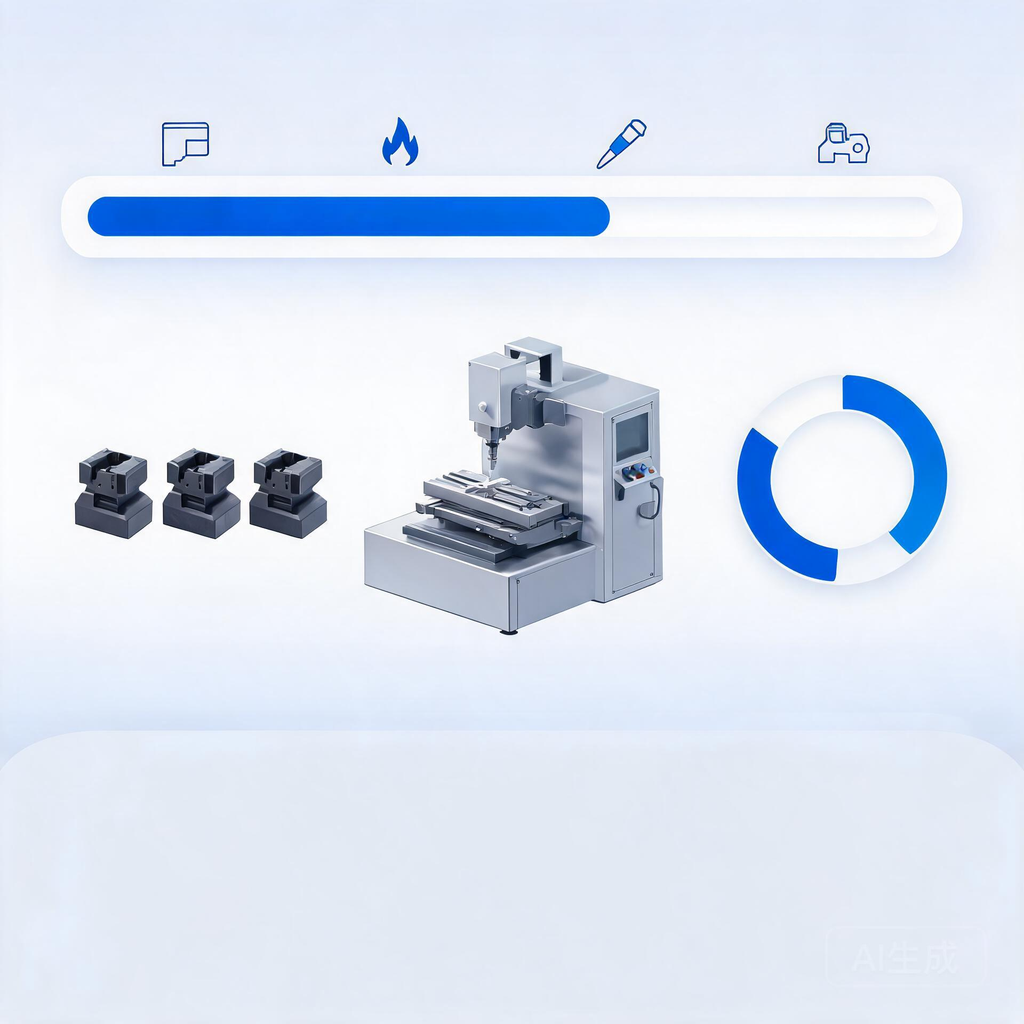
1. Progress Is No Longer Obtained by Asking Around
The first thing this software does is make the machining progress of every mold automatically visible. Which process step it is at, how many steps remain, and who takes over next are all traceable on the interface, so production supervisors and project managers no longer have to chase the masters one by one.
Quality inspection can also be embedded into process sections in advance. Setting inspection points at each machining section means anomalies are discovered early, rather than exposed only at assembly and mold trials, and the cost of rework is pushed earlier.
Materials and outsourcing can be triggered automatically. Material requisitions, outsourced procurement, and raw material purchases when stock is insufficient can all be initiated automatically as required, removing a pile of manual follow-ups from procurement and reducing chances of error.
2. Work Hours, Finance, and Exceptions Are All Covered
Actual machining hours can be tracked nearly to the second. Machining staff start the timer when work begins and stop it when finished; pauses are allowed, and the timer stops accordingly during pauses. This restores the real working time and shuts down disputes caused by inconsistent counting.
Monthly payable and receivable details are generated automatically by the system, making financial reconciliation much easier. Exception handling is also flexible: several approaches such as rework, repair, and replacement with new parts on trial are built into the process, so different situations have corresponding handling paths.
Delivery has a follow-up mechanism, and not only the production department; any relevant department can participate. When a delay occurs, progress is continuously followed up until the issue is closed. Being away from the shop does not hold things up; SMS and email can push progress notifications as needed.
3. Architecture and Team Both Focus on the Mold Industry
The system adopts a B/S architecture: it opens in a browser and works right away, so shop progress can be checked anytime even when away. The underlying design combines Linux + Nginx + Apache + MySQL + PHP, ensuring both security and performance, and hardware and software service support is also provided by Moges.
This software is jointly built by managers with years of mold production management experience and senior IT developers from mold factories; from large and medium-sized mold enterprises to developing factories with only some process sections, both processes and details have been considered.
Summary: Turn "Asking" into "Seeing", and Delays Decrease
The most valuable thing in a mold shop is not equipment, but the certainty of delivering every mold on time. What the Moges mold management software aims to do is move progress from managers' minds into the system, turning "how far along is it?" into "I can see how far along it is".
When information is available anytime and exceptions can be intercepted in advance, the days of chasing progress will gradually become the past.