Lean Production Empowers Mold Manufacturing: Moges Production Management Software Helps Cut Costs and Boost Efficiency
2017-08-08 00:00:00
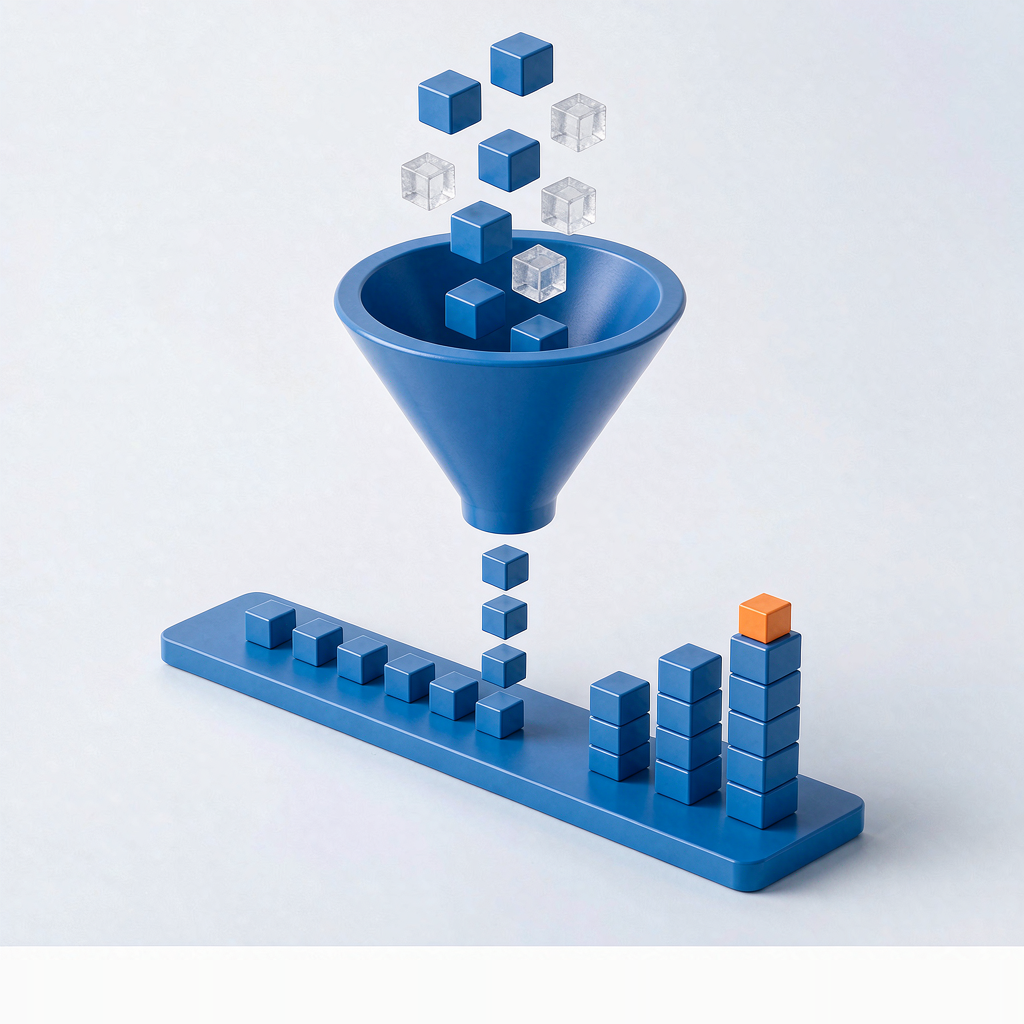
I. Why lean production is a must-answer question for mold enterprises
After decades of development, China's mold industry has become a weighty part of the manufacturing sector. But when it comes to individual factories, persistently high production costs, waste hidden in every link, and delivery times that swing between tight and loose remain common problems. Lean production is mentioned again and again precisely because it targets exactly these issues: enabling mold enterprises to respond to the market with lower costs, more stable quality, and a more flexible rhythm.
The definition of lean production is not complicated: it is a mode of production aimed at minimizing resource occupation and reducing management and operating costs, with the core of eliminating waste and streamlining processes. Translated into concrete actions at a mold factory, it roughly includes four categories: in personnel organization, streamline middle management and promote organizational flattening; in production organization, achieve leveling and synchronization; in inventory, pursue zero inventory and flexible production to reduce backlogs and increase flexibility; in quality, establish a quality assurance system covering the entire supply chain and move control points forward into the production process. Only by accomplishing these things can an enterprise respond to market demand with optimal quality, lowest cost, and highest efficiency.
II. How digital tools carry out lean requirements
Lean production is not realized by slogans; it needs a set of digital tools to fix the daily actions in place. Moges' mold production management system was designed around exactly those directions.
The need for organizational flattening corresponds to simplifying management processes and reducing non-direct production staff, with the actual improvement in management efficiency around thirty-five percent. The need for production synchronization corresponds to tracking the machining progress and responsible person of every mold part in real time — who takes over between processes and whether the handover works are all on record, improving process connection efficiency by roughly twenty-five percent. The need for zero inventory corresponds to synchronized management of outsourced and in-house work and accurate control of work in progress, raising inventory turnover by about thirty percent. The need for whole-supply-chain quality assurance corresponds to full-process quality tracking from order to delivery, reducing product defect rates by about twenty percent. These figures come from statistics of customers already running the system, not theoretical estimates.
III. What the system actually does on the shop floor
Moges' mold production management system has gone live at many mold enterprises in Kunshan, Suzhou, Shanghai, and elsewhere. Client-side statistics show: delivery cycles shortened by twenty-two percent on average, management costs reduced by thirty-five percent on average, production plan accuracy raised above ninety-five percent, and work-in-progress inventory on the shop floor cut by thirty percent.
Supporting these results are four core capabilities. One-file-per-mold management automatically links drawings with machining tasks, so the entire life cycle of a mold from design to delivery is always on record. Real-time progress tracking shows, at any moment, which step a part has reached and whose hands it is in. Synchronization of outsourcing and in-house work makes clear which jobs are done in-house and which are sent out, cutting the cost of back-and-forth communication. Cost calculation and performance analysis get costs and employee performance right, providing a basis for both quotation and assessment.
IV. From managing by experience to managing by data
Adopting a system is essentially not about introducing a piece of software, but about switching the whole way of managing. Three shifts are worth thinking through in advance: from experience-based judgment to data-based judgment, using production data collected and analyzed by the system to support decisions; from firefighting after problems occur to detecting early signs and reducing production interruptions; from single-point optimization of one link to full-process collaboration from order to delivery.
Once these three shifts are made, mold enterprises will have much more room to respond to market changes, and customer satisfaction will improve accordingly.
Summary: whether a system works well depends on whether it understands the shop floor
Lean production is not a project to be completed overnight, but a process of continuous improvement. Moges has provided system support to more than one hundred mold enterprises in Kunshan, Suzhou, Shanghai, Hangzhou, Shenzhen, and other places, helping them bring down delivery cycles and costs. In the end, whether a system is easy to use lies not in the number of features, but in whether it truly understands the shop floor.