From Quotation to Delivery: How Does the Moges Mold Production Management System Achieve Controllable "0 to 1" Full-Process Management?
2026-01-04 18:59:39
In small and medium-sized mold manufacturing enterprises, the birth of a new mold is often an "information relay race": sales quotes with Excel, design sends drawings as PDFs, planning schedules on a whiteboard, the shop reports work from experience, and progress is chased entirely by phone. When there are many steps, information breaks; when communication is frequent, errors breed. The result is often: costs that cannot be calculated, progress that cannot be seen, and responsibilities that cannot be assigned.
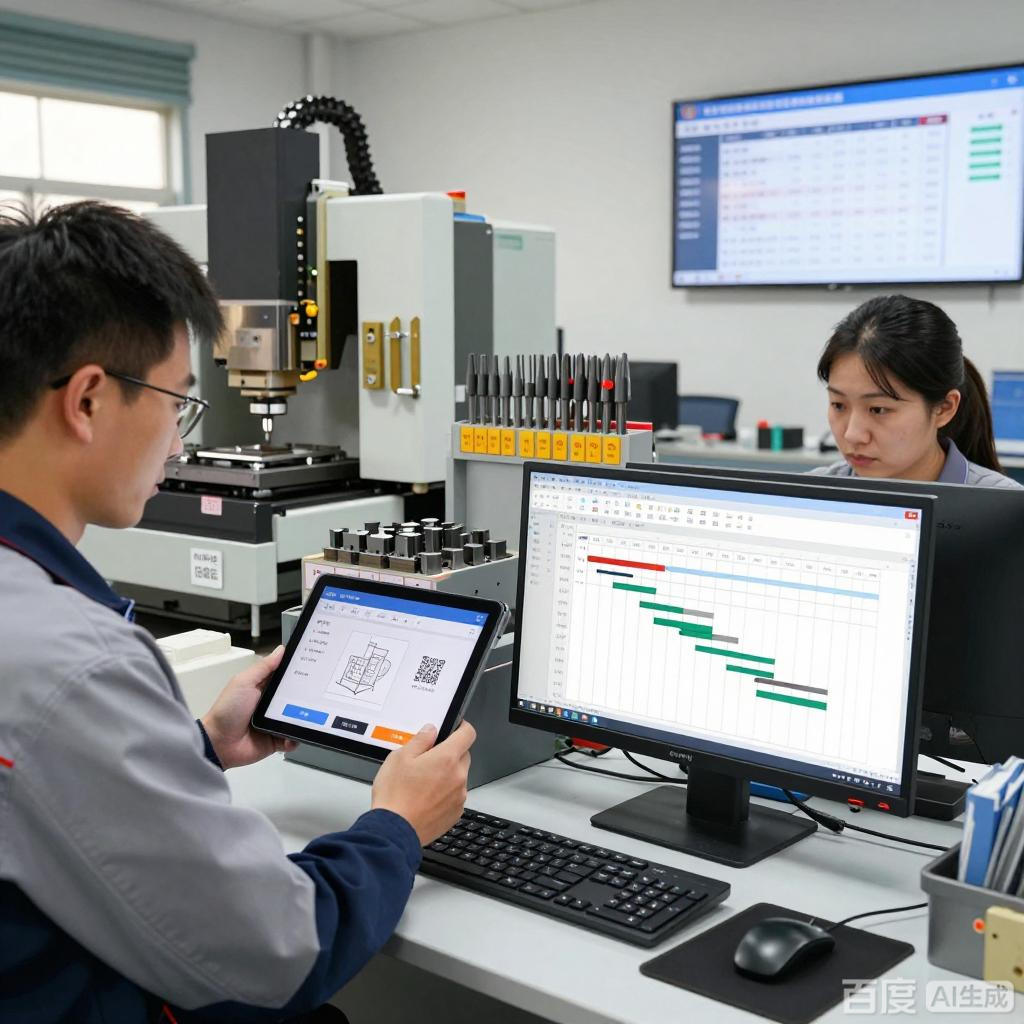
Kunshan Moges Information Technology Co., Ltd. (Moges) knows this industry pain point well. Its mold production management system does not chase the grand concept of "intelligent manufacturing"; instead, it precisely focuses on the most core stage of mold manufacturing: the entire "0 to 1" process from customer inquiry to final mold acceptance and delivery. Through a lightweight, practical software tool highly adapted to mold business logic, it helps factories achieve plannable scheduling, visible progress, calculable costs, and traceable responsibilities.
1. Accurate Quotation: Part-Level Cost Analysis, Ending "Gut-Feel" Pricing
Mold quotation is difficult because of complex structures and numerous parts. The Moges system provides a part-level cost accounting model: sales staff break the mold down in the system into all parts that need machining (such as cavity, slider, insert, ejector plate, etc.), and enter the material type, dimensions, and machining processes (turning, milling, grinding, EDM, etc.) item by item.
The system automatically associates the enterprise's preset material unit-price library and process hour rate table, quickly calculates the material cost and machining cost of each part, and aggregates them into a total quotation. All historical quotation data accumulates as reference cases; new projects can call up similar structures for comparison, significantly improving quotation accuracy and response speed.
Note: the system does not generate a BOM in the traditional sense; instead, it organizes data in a three-layer structure of "mold - part - process", which better fits the single-piece production nature of molds.
2. Drawings and Processes: Linked by Number, Bringing Files to Life
In most mold factories, drawings and process cards still exist as CAD files or PDFs. Rather than forcing enterprises to change design tools, Moges adopts a "number-linked" strategy to achieve digital connection:
each mold has a unique number in the system;
all related drawings, process instructions, outsourcing requirements, and other documents are named with this number and uploaded to the corresponding project;
when shop staff view tasks on the terminal, they can click the link to open the corresponding PDF drawing or process card.
This approach respects the enterprise's existing work habits and avoids the chaos of files scattered on personal computers or in WeChat groups, ensuring "the drawing you see is the latest version".
3. Planning and Scheduling: Manual Gantt Chart, Flexibly Handling the Uncertainty of Mold Manufacturing
Mold manufacturing is full of variables: customers change drawings at short notice, heat treatment is delayed, electrodes are not in place... The "automatic scheduling" of general-purpose ERP often fails here. The Moges system adopts a human-led Gantt chart scheduling approach:
the planner assigns processes to each part in the system and sets expected start/finish times;
the system automatically generates a visual Gantt chart, clearly showing process dependencies and resource occupation;
when an inserted order or delay occurs, the planner can adjust by drag-and-drop, and the system immediately updates subsequent tasks.
This "human-machine collaboration" model retains the necessary planning while giving the shop enough flexibility, truly fitting the small-batch, highly customized production rhythm of molds.
4. Shop Execution: Scan-Code Work Reporting + Terminal Entry, Progress Visible in Real Time
Manufacturing execution is the key to putting management into practice. The Moges system supports configuring PCs or Android tablet terminals in the shop, and workers interact with the system in the following ways:
scanning to claim tasks: scanning the mold number or part label shows the current process to be machined and the drawings;
choosing equipment to report work: selecting the actual machine tool used (such as "Makino V33", "Sodick AQ55") on the terminal and recording start/finish times;
exception reporting: for drawing problems or equipment failures, workers can submit an exception description with one click, triggering the notification process.
All operations are synchronized to the back end in real time; when management or sales log into the system, they can immediately see "the A-plate of mold XX is being machined on CNC-2 and is expected to finish tonight", with no need to call and chase.
5. Cost Aggregation and Delivery: Automatic Data Aggregation for Confident Delivery
As processes advance, the system automatically aggregates the material requisitions, work-hour consumption, outsourcing expenses, and other data incurred by the mold. Near the end of the project, an actual cost analysis table can be generated with one click and compared with the initial quotation, clearly presenting profit and loss.
In the delivery stage, the system supports organizing a complete electronic delivery package (including the final drawing list, a summary of mold trial records, key inspection data, etc.), improving customer experience and laying the foundation for possible later repair or replica molds.
Conclusion: Pragmatic Digitalization Starts with "Manageable"
The Moges mold production management system does not chase empty concepts or pile up flashy functions. Like a knowledgeable "digital butler", it links the originally scattered people, affairs, things, and data along one clear thread in the way closest to shop reality.
From one inquiry to a delivered mold, every step in between is recorded, seen, and managed. This may not be the ultimate form of the "factory of the future", but it is the most feasible path for the vast majority of mold enterprises today toward efficient, transparent, and controllable operations.
Because real progress lies not in how advanced the technology is, but in whether it solves real problems.