The Moges Methodology: Five-Step Implementation Method for Mold Production Management Systems—The Secret to a 95% Success Rate
2026-04-22 12:58:42
Introduction: The Methodology Behind a High Success Rate
Amid the wave of digital transformation in the mold industry, the value of MES systems is beyond doubt. Yet a failure rate as high as 80% makes many companies hesitate. As a digitalization partner with 14 years of focus on the mold field and 200+ successfully served customers, Moges has distilled hands-on experience into an effective "Five-Step Implementation Method," raising the project success rate above 95%. This article breaks down this methodology in depth to help you avoid pitfalls and move forward steadily.
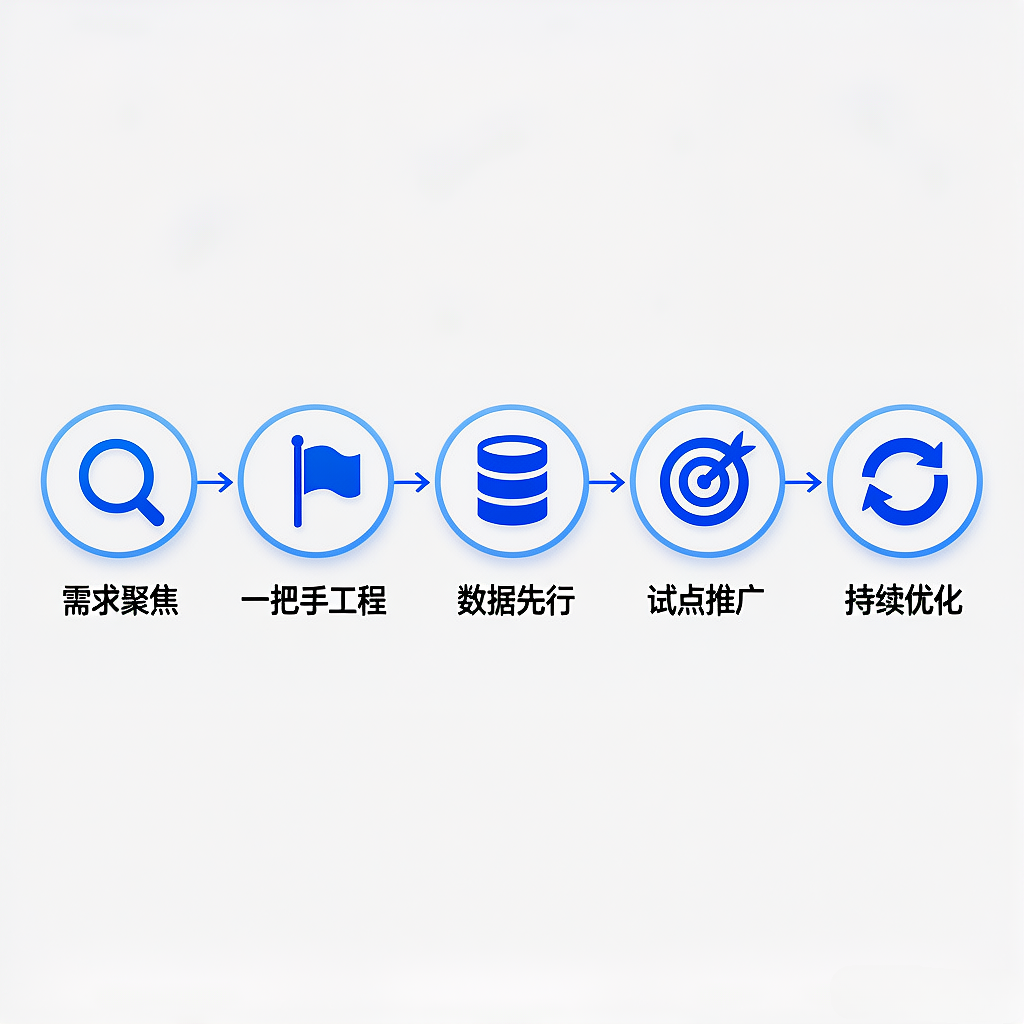
Step 1: Focus Requirements—Small Steps, Fast Pace, Quick Wins
Core idea: Resist the temptation of "big and comprehensive" and focus on solving the most critical pain points.
Many projects die early because their initial goals are overly ambitious—trying to solve all problems at once, which stretches the front too long, scatters resources, delays visible results, and ultimately causes the team to lose confidence. Our recommendation is that the first-phase project lock onto only three core modules: progress tracking, process work reporting, and quality management. These three modules strike directly at core pain points of mold companies such as "progress black holes" and "difficult quality traceability"; once they run smoothly, they resolve 80% of daily management challenges.
Action guide:
Communicate in depth with management and frontline key personnel to identify the Top 3 pain points affecting delivery times and costs.
Clarify the goals and scope of the first-phase project and form a written consensus to avoid later scope creep.
Set clear, quantifiable short-term KPIs (e.g., weekly work-report timeliness rate, accuracy of delay alerts for key processes).
Through the strategy of "small steps, fast pace, quick wins," rapidly build the team's confidence in the project and pave the way for deeper application later.
Step 2: A Top-Executive Project—Strong Top-Down Drive
Core idea: MES is not an IT project; it is a top-executive project.
Implementing an MES system touches every aspect of production management and inevitably involves process changes and adjustments of interests. Without the firm support and personal drive of the top decision-maker, any resistance can stall the project. We have observed that all successful customers share one thing in common: the boss is not only the project's initiator but also an active participant and user.
Action guide:
The boss must state their position clearly at the project kickoff meeting, giving the project the highest priority.
The boss should personally attend weekly project meetings, hear progress reports, coordinate resources, and clear obstacles.
The boss should lead by example in using the system to view data and issue instructions, driving company-wide participation.
The boss's level of commitment directly determines the height the project can reach and its ultimate success.
Step 3: Data First—Laying a Solid Foundation for System Operation
Core idea: Thirty percent system, seventy percent data, and one hundred twenty percent master data.
No matter how advanced the system, without accurate and complete master data to support it, it is like water without a source or a tree without roots. Chaotic material coding, incorrect BOM structures, and missing process routings will be infinitely amplified after go-live, making work reporting impossible, planning impossible to schedule, and costs impossible to account for.
Action guide:
Form a dedicated data cleanup team composed of key members from production, engineering, warehouse, and other core departments.
Establish unified data standards and coding rules, and train all staff.
Reserve ample time (at least 1 month recommended) for historical data cleansing and new data entry, with repeated verification.
This step may seem tedious, but it is the fundamental guarantee of project success and must never be glossed over for the sake of schedule.
Step 4: Pilot First, Then Roll Out—Let the Facts Speak
Core idea: Do not try to bite off more than you can chew; first build a successful model.
A full-scale rollout carries huge risks, and employee resistance is hard to overcome. The wise approach is to first pilot in a workshop with a solid management foundation and highly cooperative staff, or on a typical project. Through the pilot, validate the feasibility of the solution, refine operating processes, and accumulate valuable implementation experience.
Action guide:
Carefully select the pilot target, ensuring it is representative and likely to succeed.
Provide the pilot team with intensive training and on-site coaching to ensure they can use the system proficiently.
Collect data and feedback during the pilot and quantify the pilot results (e.g., efficiency gains, reduced overtime, fewer disputes).
When other departments see the tangible benefits the pilot brings, resistance to rollout will drop dramatically.
Step 5: Continuous Optimization—Go-Live Is Only the Beginning
Core idea: The value of MES lies in continuous use and ongoing optimization.
Formal system go-live is not the end of the project; it is precisely the starting point of value creation. As the system is used in greater depth, new management issues will surface and business needs will keep evolving. At this point, establishing a mechanism for continuous optimization is critical.
Action guide:
Establish regular monthly/quarterly review meetings to analyze system data and identify improvement opportunities.
Encourage frontline employees to propose optimization suggestions and set up a reward mechanism.
Maintain close cooperation with the vendor, leveraging new-version features or light customization to meet new needs arising from business development.
Through the PDCA (Plan-Do-Check-Act) cycle, let the MES system truly integrate into the company's daily operations and become a powerful engine driving continuous business improvement.
Conclusion
Successful implementation of mold MES is both a science and an art. It requires rigorous methodological guidance as well as firm determination and flexible execution. Moges' "Five-Step Implementation Method" comes precisely from the tempering and lessons of more than 200 real projects. Mastering this method will not only greatly raise your project success rate but also ensure your digitalization investment translates into tangible productivity and competitiveness. If you are planning to start this journey, Moges is ready to be your most reliable companion with professional knowledge and rich experience.