Kitchen Appliance Company Network Marketing Soluti
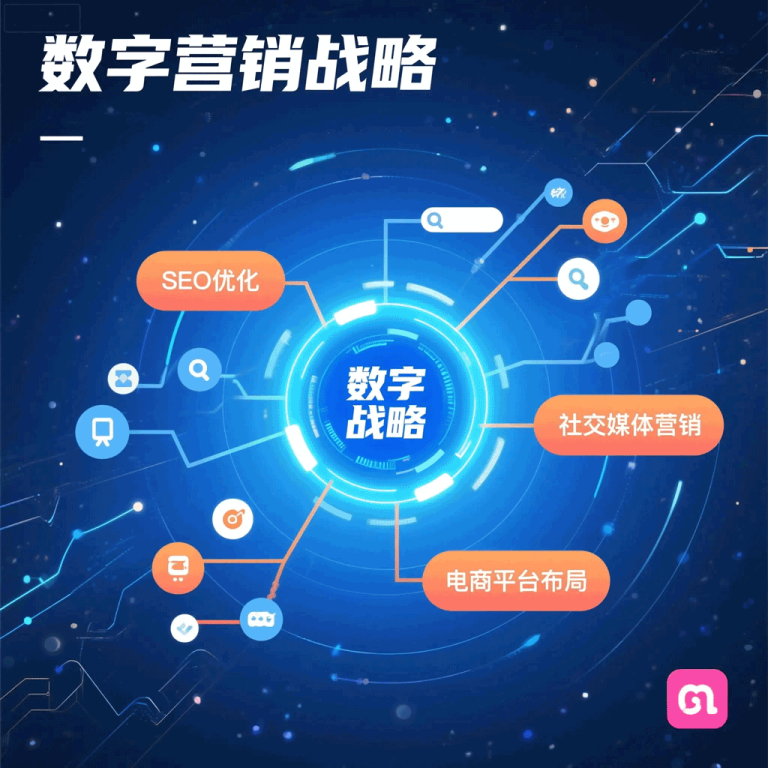
As consumer shopping habits shift online, appliance manufacturers that remain confined to traditional channels will miss out on a significant growth market. This article provides a stage-by-stage, actionable online marketing strategy tailored for small and medium-sized appliance brands, helping them break through to the online market in this highly competitive appliance sector.
I. Trends and Opportunities in the Online Transformation of the Kitchen Appliance Industry
In recent years, kitchen appliances (such as range hoods, gas stoves, disinfection cabinets, and integrated kitchens) have become a high-priority category in home renovations. Leading e-commerce platforms (including Tmall, JD.com, and Douyin e-commerce) have established mature kitchen appliance consumption ecosystems, with leading brands such as Fangtai, Boss, and HuaDi achieving annual sales of tens of billions through a combination of "official flagship stores, content marketing, and live streaming."
For small and medium-sized kitchen appliance manufacturers, while it may be difficult to compete directly with large corporations in a market dominated by intense competition, they can still succeed by leveraging…Differentiated products, regional service advantages, and flexible pricing strategies.…still offers growth opportunities in niche markets (such as engineering support, emerging markets, and specialized machine models).
II. SWOT Analysis of the Company
Challenges (Weaknesses)
Brand recognition is currently low, and building user trust requires a long-term effort.
The product line is relatively narrow and lacks a key product to drive sales.
Lack of online operation experience; the team needs to build everything from scratch.
Our logistics and installation services have limited coverage areas.
Response time after sales significantly impacts repeat purchases and reputation.
Advantages
Reliable product quality and a comprehensive quality control system.
Offers competitive pricing and can be positioned as a value-oriented solution.
Possesses the autonomy to drive its own marketing efforts and the flexibility to make decisions independently.
Quickly respond to local service needs (e.g., in Kunshan and Suzhou areas).
Possesses the potential to build a dedicated e-commerce team.
III. Phased Online Marketing Strategy Implementation
Phase 1: Building a Solid Foundation, Achieving Breakthroughs in Key Areas (0–12 months)
Core Objective:Complete the online channel setup, validate product market acceptance, and refine the supply chain and service system.
Core Platform:Priority EnrollmentOfficial flagship store on Tmall(Formerly "Taobao Mall"), due to its high level of trust, complete transaction cycle, and brand endorsement capabilities.
Additional Channels:Simultaneous launchEither operated by JD or sold through POP stores.catering to different consumer groups;
B2B Collaboration:Continuous OperationAlibaba 1688 Trust PassRetail channels, developing regional distributors and engineering clients.
Lightweight Trial:Publish short videos showcasing product features and usage scenarios on platforms like Douyin and Xiaohongshu, and measure the effectiveness of content conversion.
Stage Two: Multi-channel Expansion and Building a Private Domain (1–3 years)
Core Objective:Expand market share, build customer assets, and increase repurchase rates.
Expand to emerging channels such as Pinduoduo, Douyin e-commerce, and video number micro-shops.
BuildCompany website + WeChat mini-program store,accumulated value generates its own traffic.
Launch a membership program and a customer reactivation plan (such as trade-in programs and parts discounts).
Explore the "online ordering + offline experience store/partner store installation" model to address common pain points in the electrical appliance industry.
Phase Three: Brand-focused Operations, Integrated Operations (3–5 years+)
Core Objective:Establish regional and national brand recognition, enabling seamless integration between online and offline channels.
Increase investment in content marketing (including KOL evaluations, kitchen scene live streams, and user-generated content collection).
Establish offline brand experience stores or engage in in-depth partnerships with home furnishing retailers.
Develop smart kitchen appliances, integrate with the IoT ecosystem, and enhance product value.
Establish a digital CRM system to achieve seamless user data across all channels.
IV. Key Implementation Points
1. Core operations for Taobao/JD stores
Visual Presentation:Professional-grade product photography + scene-based product pages, highlighting key selling points such as safety, durability, and ease of cleaning.
Customer Service System:Configure dedicated customer service, providing comprehensive pre-sales consultation, installation guidance, and after-sales support.
Logistics Coordination:Collaborate with companies like Depe and Shunfeng for large item deliveries, ensuring timely delivery, and clearly defining the "one-stop delivery and assembly" service process.
Marketing Tools:Optimize conversion rates through strategic use of platform promotions (e.g., 618, Double 11), coupons, discounts, and live selling events.
2. Innovative After-Sales Service Solutions
Considering the "heavy installation and heavy after-sales service" characteristics of kitchen appliances, we recommend adopting:"Centralized headquarters + regional service providers"Mode:
Partner with certified installation and service providers in key cities, ensuring standardized training and service protocols.
After the user places an order, the system automatically assigns the order to the nearest service provider, with on-site installation within 48 hours.
Establish a service evaluation mechanism, linking service quality to billing, to ensure a positive user experience.
Provide core components (such as motors, ignition systems)3–5-year warranty, enhancing quality trust.
3. Team and Cost Planning
Initially, the "core team + outsourcing collaboration" model can be adopted:
Internal:1 e-commerce operations manager (also store manager), 1-2 customer service representatives, 1 content planner.
External:Outsource professional operation company to handle store design, promotion, and short video production.
Initial Budget:Platform deposit + annual fee of approximately 5–80,000 RMB, promotion costs vary depending on the target, and we recommend allocating 10–200,000 RMB for testing and optimization.
V. Conclusion
Digital marketing is more than just "opening an online store"; it involves products, services, content, data, and the overall system. Kitchen appliance companies should focus on their strengths and leverage them to…User-centric, service-oriented, and data-driven., enabling a sustainable and progressive online growth engine. Kunshan Moges can provide comprehensive services, including website development, system integration, and IT support, to help businesses take the first step in their digital transformation.