Machining Outsourcing Management Pain Points of Non-Standard Factories: How to Use Outsourcing Management Software to Say Goodbye to Muddy Accounts?
2026-06-25 10:04:55
Introduction: How Does a 1,200-Yuan Outsourced Part Lose a Million-Level Order?
Last month I had tea with a boss making new-energy non-standard equipment in Kunshan. He poured out his grievances: he'd just lost a million-level follow-up order — the cause was a machined outsourced aluminum base plate worth only 1,200 yuan.
Among the 12 structural parts outsourced for the customer's complete machine, just this one was 7 days late. To rush the project milestone acceptance, the customer not only directly withheld 10% of the final payment but also moved the already-negotiated next project to a competitor. Worse: design changed a dimension midway, and procurement forgot to notify the outsourcer, who cut and machined per the old drawing — the 20,000-plus in scrapped-part costs had to be absorbed alone.
Many non-standard factory bosses relate: it's not that they can't find outsourcers — it's that with three or four regular partner shops, chasing progress daily on WeChat still misses orders. Machining outsourcing management has become the key link strangling non-standard factories' profit and delivery.
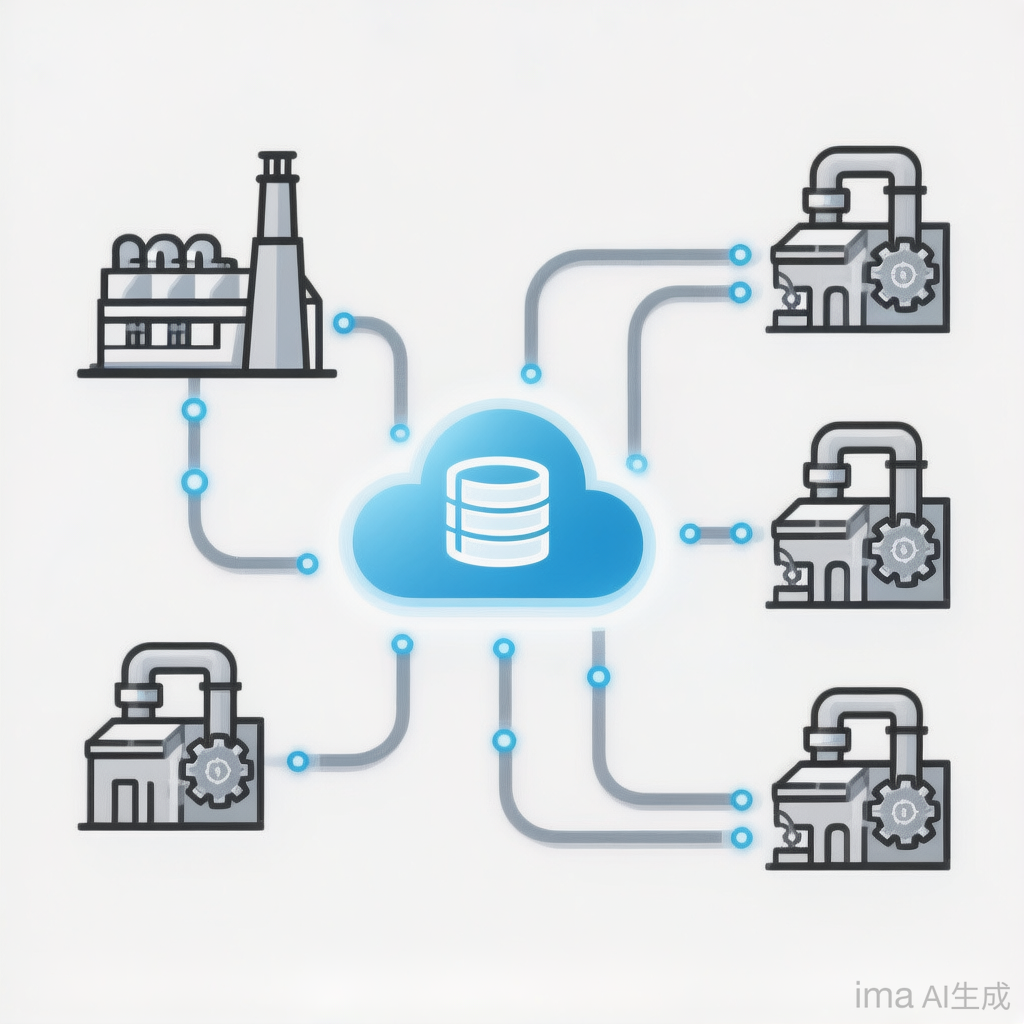
1. Where Exactly Is Non-Standard Automation's Machining Outsourcing Chaotic?
Many assume outsourcing chaos stems from "unreliable suppliers" — in fact, most problems sit in internal management. I've worked with dozens of non-standard factories with revenue from tens of millions to 500 million, and machining outsourcing problems almost never escape these four "black holes":
| Management Pain Point | Specific Manifestation | Severe Consequences |
|---|---|---|
| Information not synced | Design changes are the norm in non-standard work; the BOM updates, but procurement's outsourcing orders remain the old version — or the outsourcer is never notified. | Wrong-dimension parts scrapped outright; materials and machining fees absorbed alone. |
| Opaque progress | Outsourcing progress tracked only in procurement's Excel, chased daily on WeChat — and even then no firm answers. | Project schedules disrupted; "missing parts waiting for outsourcing" at assembly becomes routine, easily causing overdue breaches. |
| No quality traceability | A part fails after two months in use; finding which shop made it and which drawing version was used means digging through chat records for ages. | Responsibility can't be assigned; later screening and elimination of inferior suppliers lack data support. |
| Costs unclear | Outsourcing machining fees, freight, and rework costs manually aggregated at month-end — accounts frequently don't match. | Only after project delivery does anyone discover outsourcing costs overran by a hundred thousand — books show profit, reality is a loss. |
2. The Core of Outsourcing Management: Deep Linkage with BOM and Projects
Many bosses' understanding of outsourcing management stays at "keeping a ledger" — an Excel template or a simple inventory system to log entries feels sufficient. In reality, this solves nothing.
Non-standard automation outsourcing follows the project BOM from the very start. Outsourcing management detached from BOM and projects is essentially an information silo.
For example: at BOM splitting, the system has already divided parts into standard, self-machined, and outsourced. At this point, all parameters, drawing versions, and technical requirements of outsourced parts are ready — procurement needn't manually re-enter them into an outsourcing ledger; the system auto-generates the outsourcing orders. If the BOM changes, the system syncs change information automatically; procurement only confirms dispatch to the outsourcer — missed notifications eliminated at the root.
Many customers we've worked with previously managed BOM and outsourcing separately, losing tens of thousands a year on scrapped outsourced parts alone. After sorting it out, this waste dropped over 80%.
3. Four Core Features a Good Machining Outsourcing Management Software Must Have
Not all software labeled "outsourcing management" is usable. For non-standard automation, lacking the following features makes any purchase a decoration:
BOM automatically drives the outsourcing flow: At BOM splitting, outsourced parts are auto-identified with the latest drawing versions and technical requirements. BOM changes sync automatically to outsourcing orders, preventing old-drawing production at the root and reducing manual entry errors.
Full-status visual tracking: From outsourcing order dispatch to return acceptance, every status (awaiting dispatch, dispatched, received, awaiting acceptance, warehoused) updates automatically. Project leads open the kanban and see all progress, with automatic near-deadline alerts — goodbye to "relentless chasing".
Full acceptance/rework records with automatic cost collection: Failed return acceptance goes straight into rework or rejection with the problem cause recorded. Every machining fee and freight charge auto-collects to the corresponding project — project costs produce data directly, with no month-end manual reconciliation.
Automatic inventory-assembly linkage: After qualified outsourced parts warehouse in, the project's missing-material status updates automatically. Assembly can directly check which parts have returned to stock and which are in transit — greatly cutting cross-department communication costs.
2. Selection Pit-Avoidance: Don't Step on These Two Common Misconceptions
Misconception One: Making do with generic inventory software. Generic inventory systems are built for trade or volume production — they simply don't support non-standard projects' BOM change management, nor collect outsourcing costs by project. It looks like a ledger, but the same errors still occur.
Misconception Two: Blindly chasing the big all-inclusive ERP. Many vendors pitch hundred-thousand-level full-module ERPs, but the core needs of machining outsourcing are built very roughly. For non-standard factories, fitting your own business flow and connecting projects, BOM, and outsourcing matters more than the big and all-inclusive.
Moges' Moges PMS9 is designed specifically for non-standard automation industry flows: outsourcing management connects the entire flow from BOM splitting to warehousing, quickly adoptable without major adjustments to existing management modes.
Conclusion: Squeezing Out Hidden Waste Is Pure Profit
I've seen many non-standard factories with revenue of 200-300 million still running outsourcing management by the boss personally grasping and procurement chasing daily. In fact, the hidden waste here (scrap, rework, overdue penalties, reconciliation errors) accounts for at least 10% of total outsourcing costs.
Many bosses treat this waste as "industry normal" and have never run the numbers. If professional machining outsourcing management software can squeeze out this waste, you'll find it earns more than winning one or two extra small orders.