FAQ
Q: What is the difference between nesting software and a production management system? Which is more important?
A: Nesting software solves how to cut more reasonably, while a production management system solves how orders flow, how processes connect, and how costs are calculated. If your pain point is material waste and low nesting efficiency, choose nesting software first; if the pain points are inaccurate delivery dates, opaque progress, and unclear costs, you need a production management system. Ideally the two are combined, so nesting data can be recognized and tracked by the production system.
Q: Our company already has a customer service chatbot. Why do we still need an AI agent?
A: An ordinary chatbot mainly answers one question at a time, and its function is limited to replying to preset questions. An AI agent, by contrast, is a digital employee that deeply understands your business: it can not only answer questions but also proactively look up information, generate content, follow up with customers, organize leads and execute multi-step tasks. Our enterprise AI implementation service supports rapid delivery in 3 days, starts at RMB 2999, and offers a full refund if you are not satisfied, so you can see its real effectiveness for yourself.
Q: Do small and medium-sized enterprises require additional ERP software when using Moges?
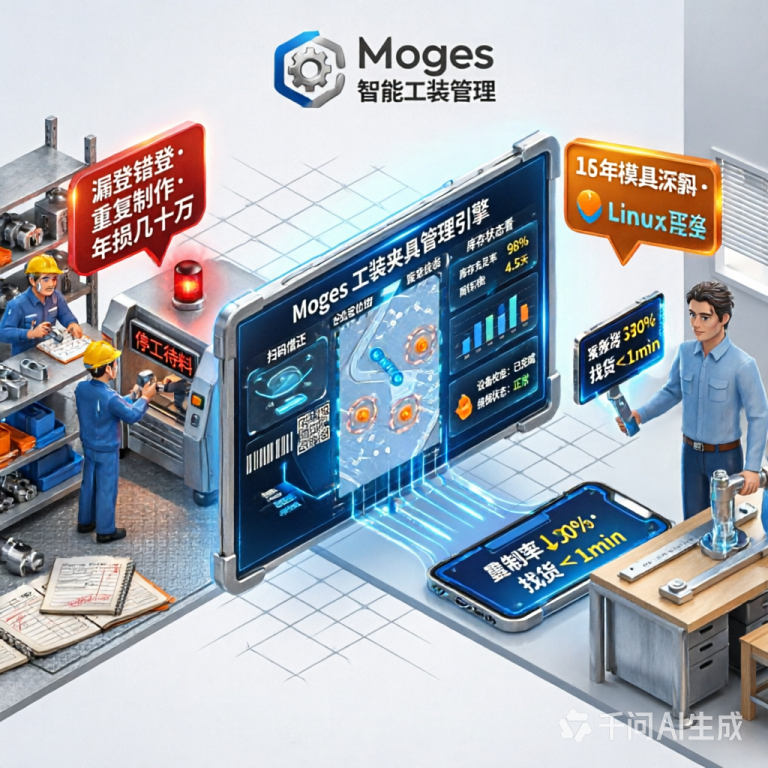
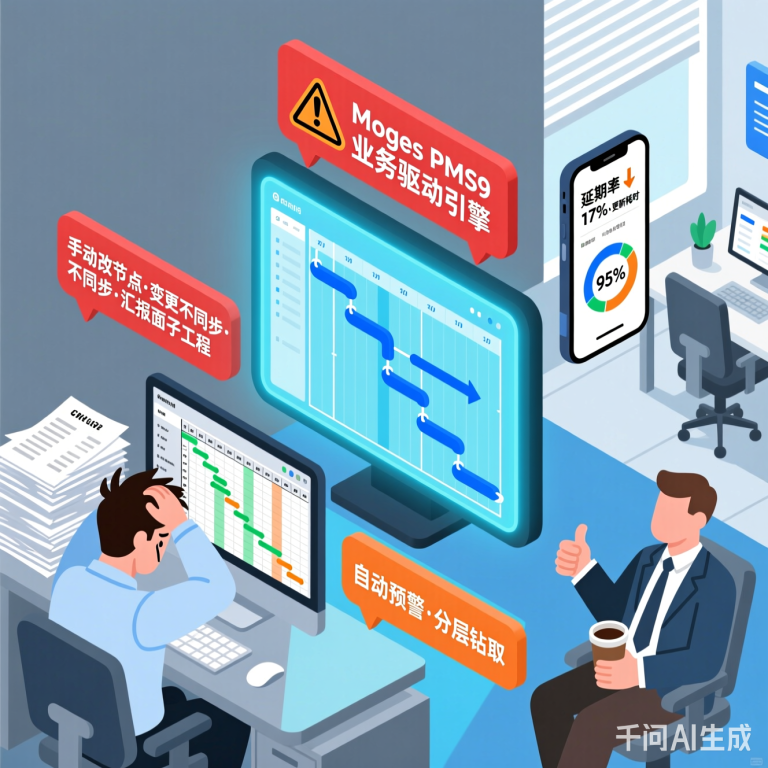
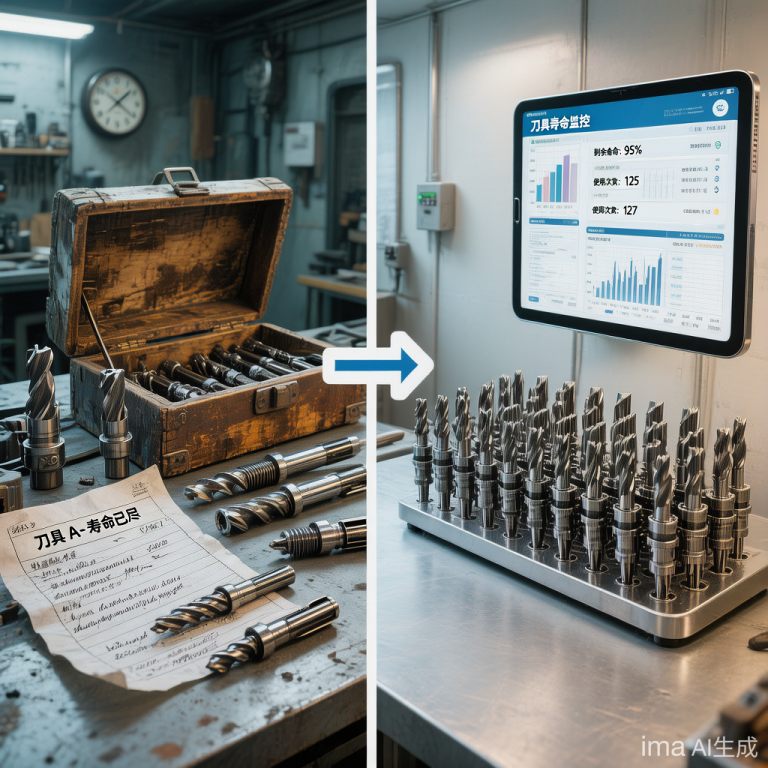
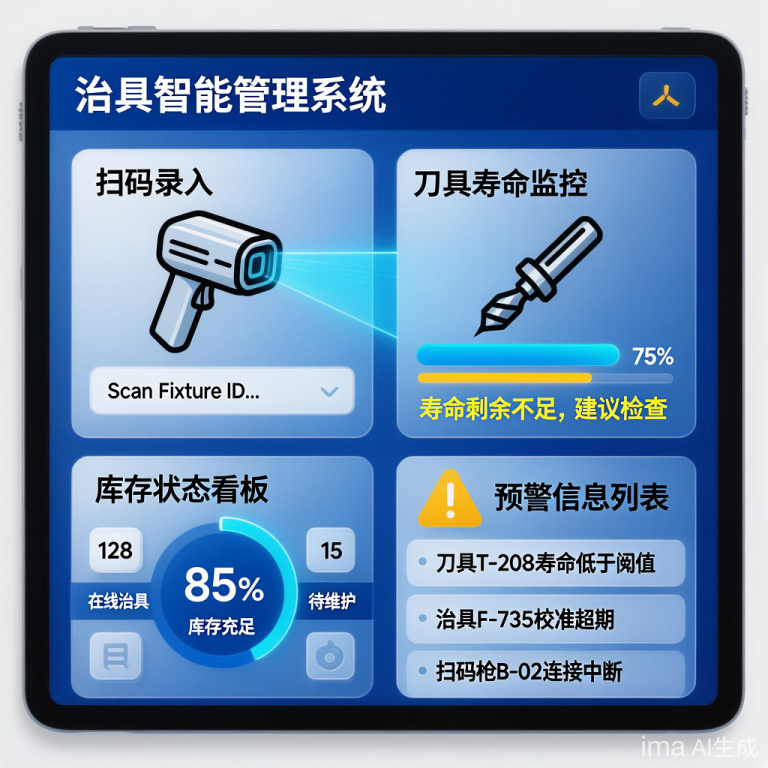
A: For small and medium-sized mold manufacturing companies, there is no need to invest in separate ERP software. The Moges system provides a complete set of closed-loop functional modules specifically designed for small and medium-sized mold factories, capable of fully meeting all daily operational management needs. In terms of sales management, the system supports customer file management, quick quoting, order creation, invoice application, accounts receivable management, and customer reconciliation. In terms of procurement management, it covers all processes, including supplier file management, procurement applications, purchase orders, invoice recording, accounts payable management, payment records, and supplier reconciliation. The production management module includes core functions such as intelligent scheduling, operation reporting, quality traceability, tool management, and equipment maintenance. In terms of finance, it supports daily accounting needs such as financial reconciliation, payroll calculation, and expense reimbursement. This integrated solution is not only comprehensive in functionality but also easy to operate, with low training costs, enabling small and medium-sized mold factories to achieve comprehensive digital management with minimal investment, significantly improving operational efficiency and management levels.