FAQ
Q: Outsourced parts are where problems most easily arise. How should a control process be set up?
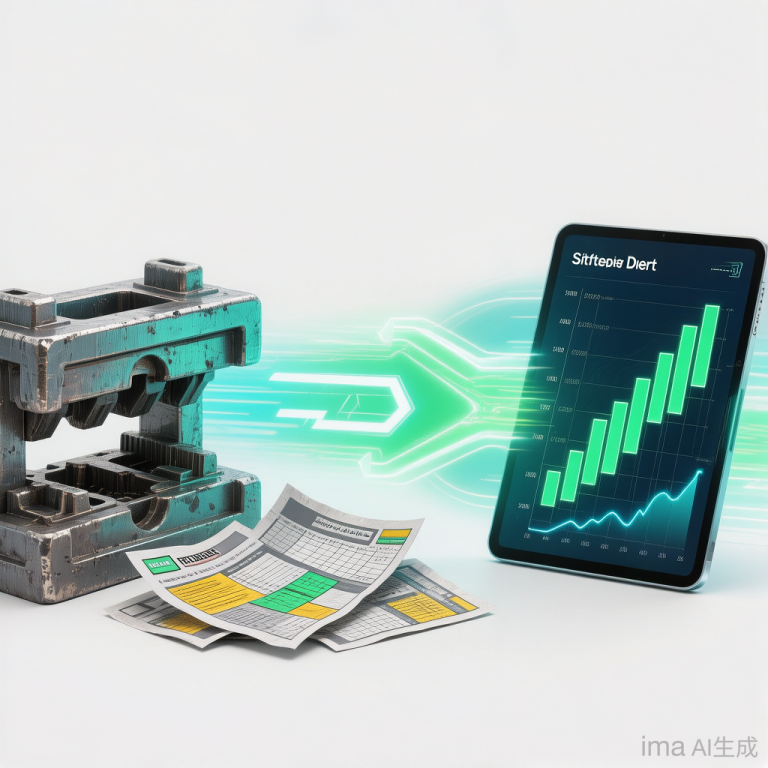
A: Managing outsourced parts means watching four key points: how much was sent out (the drawing number, quantity, process and supplier must be clear), when it is due back (you cannot wait until assembly is short of parts to notice), how much came back and how much passed (receipts must match inspection results), and how differences are handled (shortages, rework and scrap must all be recorded). The value of full-process subcontracting management is that the plant knows "though the items are not on site, they are still under control", avoiding the pain of scrolling through chat logs at month-end reconciliation.
Q: How can the machining workshop achieve paperless job reporting?
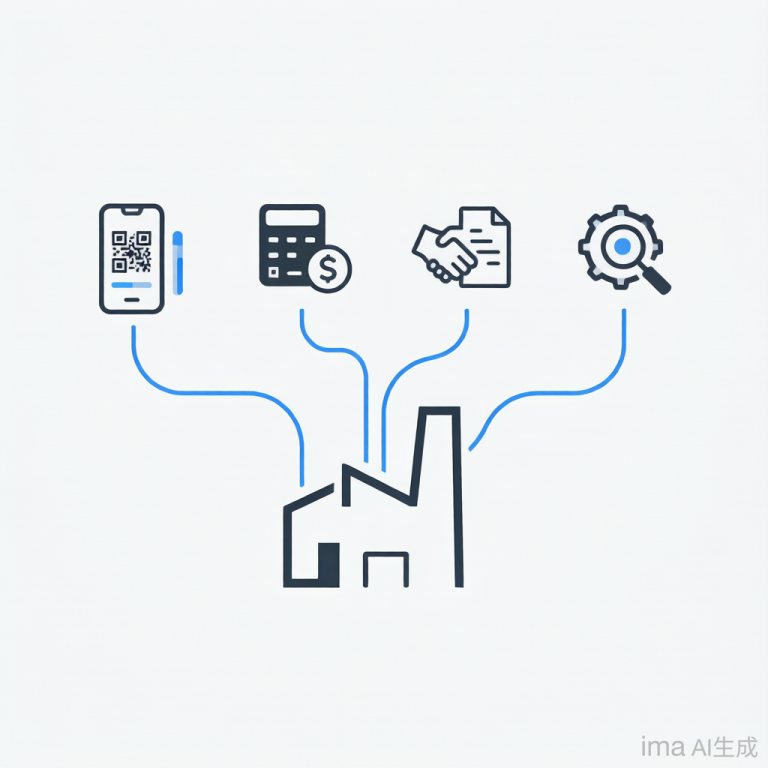
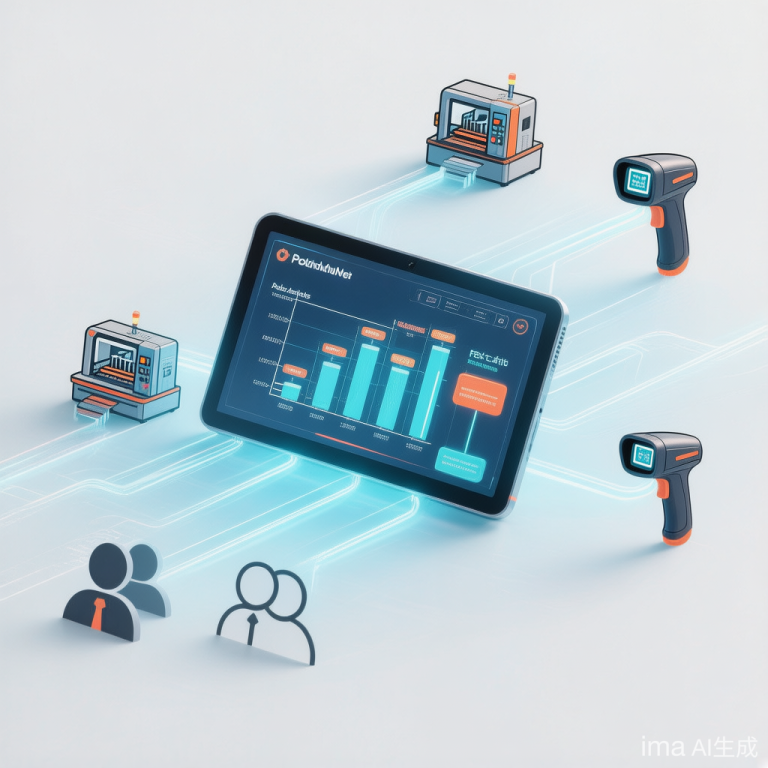
A: Moges' paperless job reporting system completely transforms traditional paper-based management, allowing job reporting to be completed simply by scanning with a mobile phone, tablet, or industrial PDA. The system automatically generates standardized electronic job orders, including complete data such as operation information, operator, start/end time, and good quantity, while also automatically generating quality inspection records and time statistics. This system completely eliminates the cumbersome and easily lost issues of paper forms, and more importantly, it achieves real-time data synchronization and improves accuracy. Workshop managers can view production progress at any time, and planners can promptly adjust production schedules, while customers can also obtain real-time order status through a dedicated port. Based on actual application data, the Moges paperless job reporting system achieves a data accuracy rate of 99.9%, improves job reporting efficiency by more than 60%, and simultaneously reduces 80% of paper-based document management costs, making it an essential tool for the digitalization of modern machining workshops.
Q: Our company is in Chengdu and we want an AI to help follow up with customers. An AI agent is not the same thing as the ordinary chatbot we used before, right?
A: Definitely not the same. An ordinary chatbot only answers questions with fixed scripts, while an AI agent can independently handle the whole process of follow-up, retention, and even conversion. We develop locally in Chengdu, deliver in 3 days, start at RMB 2,999, and refund the full amount if you are not satisfied.