- Moges
- 2026-09-21
I. Why Scattered-Part Production Is Especially Delay-Prone
In mold factory workshops, this exchange is heard constantly: "The scattered-parts order — the customer is asking about the delivery date again." "Hav...


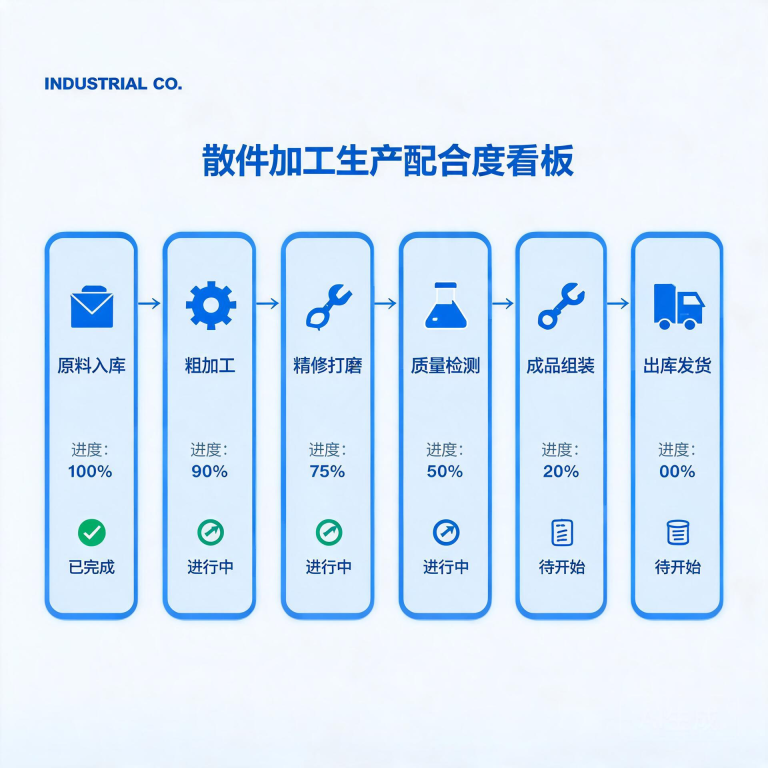
In mold factory workshops, this exchange is heard constantly: "The scattered-parts order — the customer is asking about the delivery date again." "Hav...
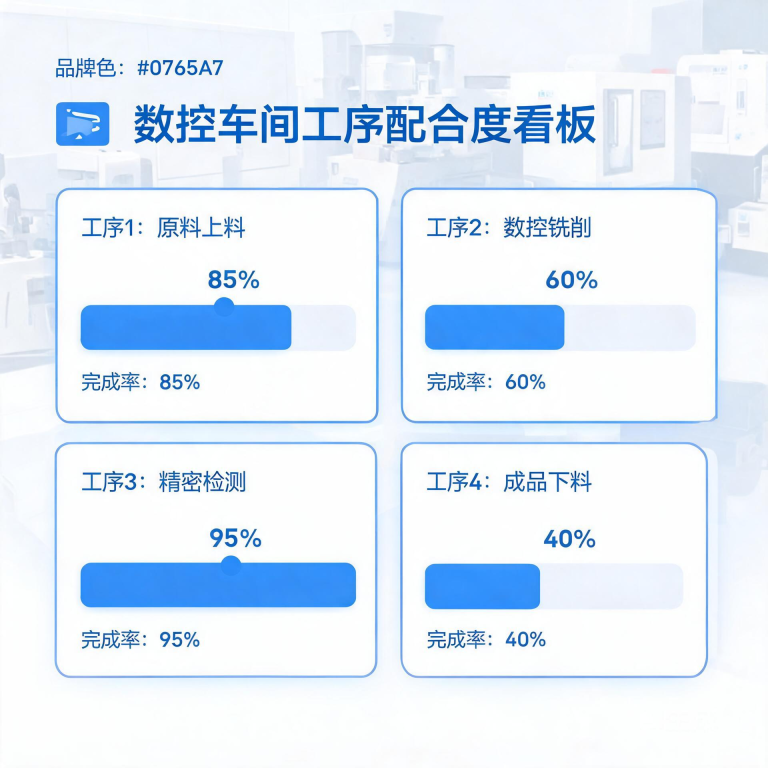
The most common scene in a mold machining workshop: the customer asks "where's my mold at?" and the supervisor digs out a few scattered work orders an...
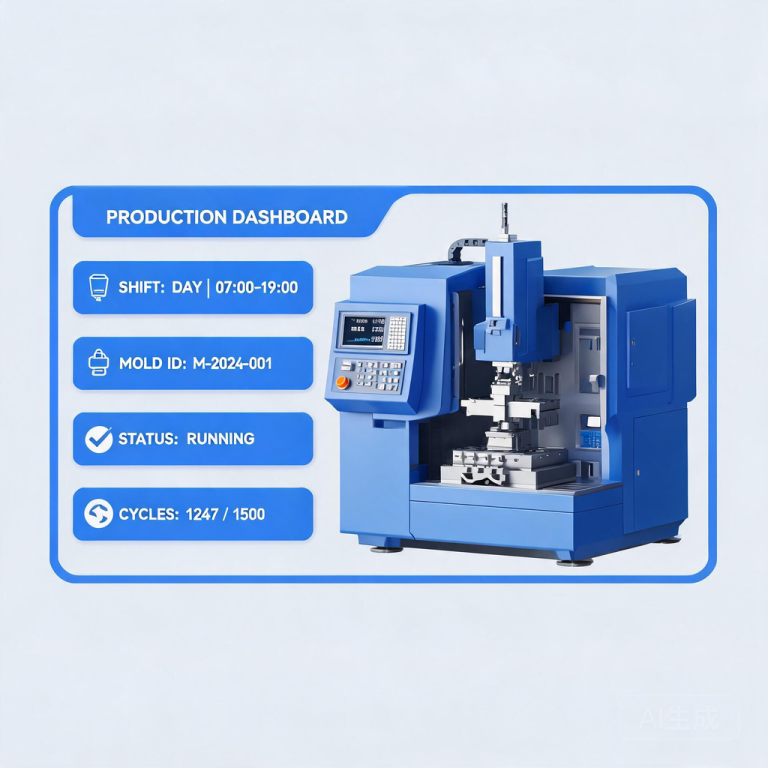
The price range for mold management software is very wide, ranging from a few thousand for small, lightweight versions to over a million for enterpris...

In the mold manufacturing and precision machining industry, tooling and fixtures serve as the invisible bridge connecting design and finished products...
If you're an owner of a small-mid mold factory with annual revenue between 5 million and 50 million, you've surely been bombarded by the phrase "digit...

March to May is the mold industry's peak season. Orders are booked solid — owners should be grinning, yet every face is grim, for one reason: delivery...

Many mold factory owners face the same choice in digital transformation: adopt a generic ERP, or an ERP specialized for the mold industry? The questio...
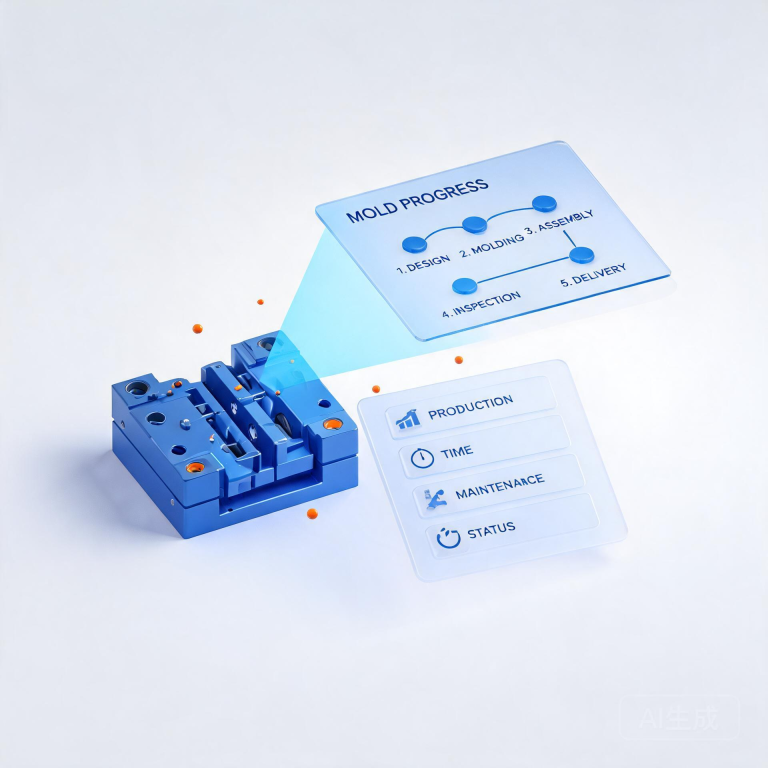
The mold industry has an old saying: make three molds, run three molds, and all the money earned is tied up in iron. It vividly describes the survival...
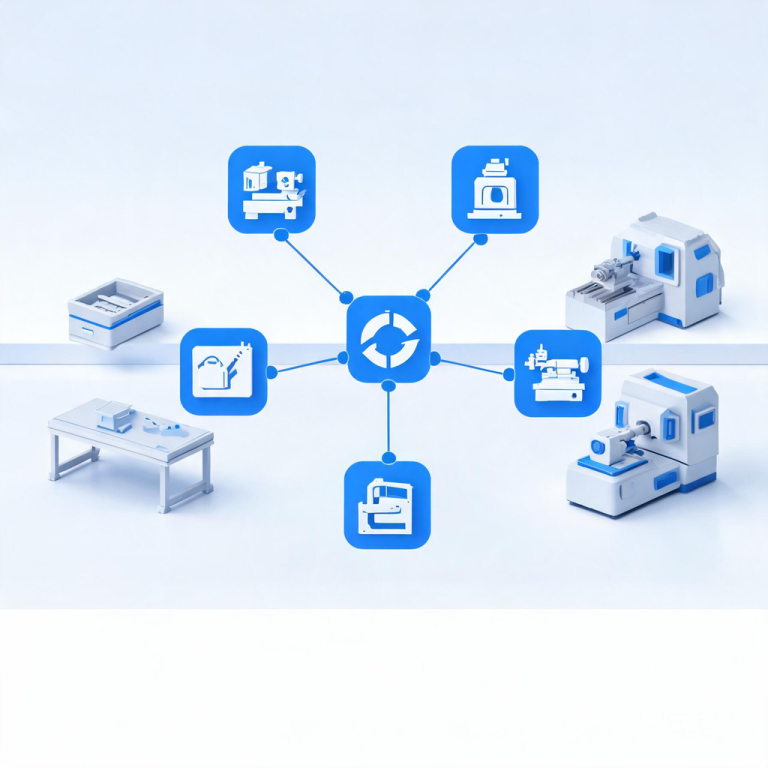
A customer returns a non-conforming mold; you flip through crumpled paper operation cards and material ledgers for two-three days and still can't tell...
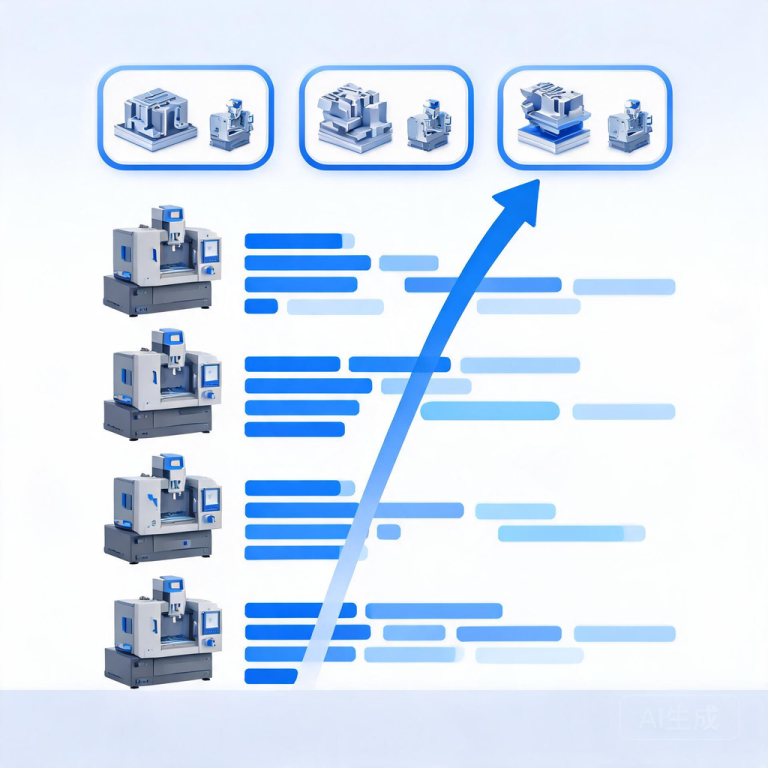
Over the past six months I've dealt with nearly 20 small-mid mold factory owners, and almost half said they had previously adopted so-called automatic...
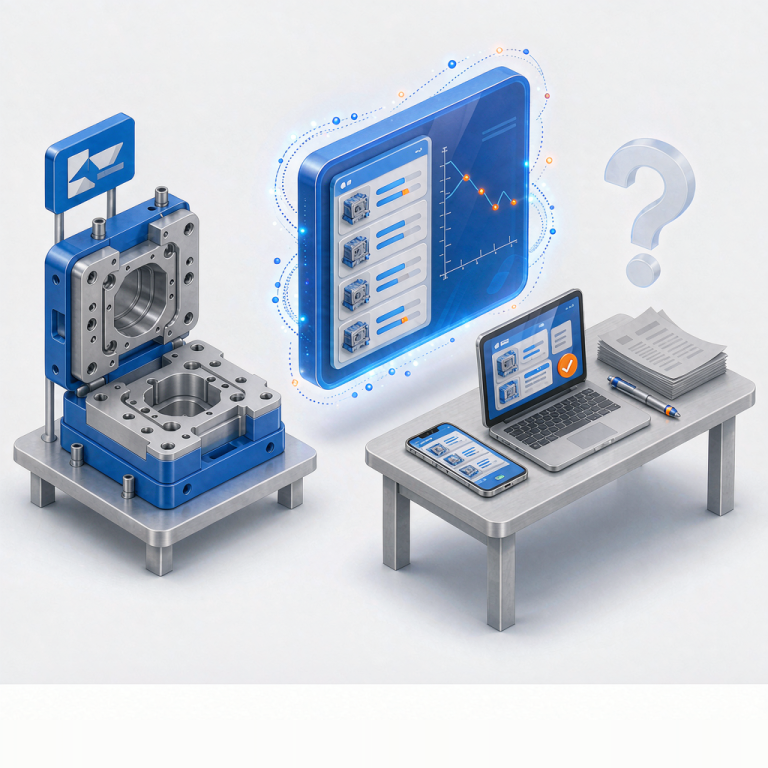
In many mold factories, production starts and suddenly the matching mold can't be found, or the mold that should be used hasn't been repaired and retu...
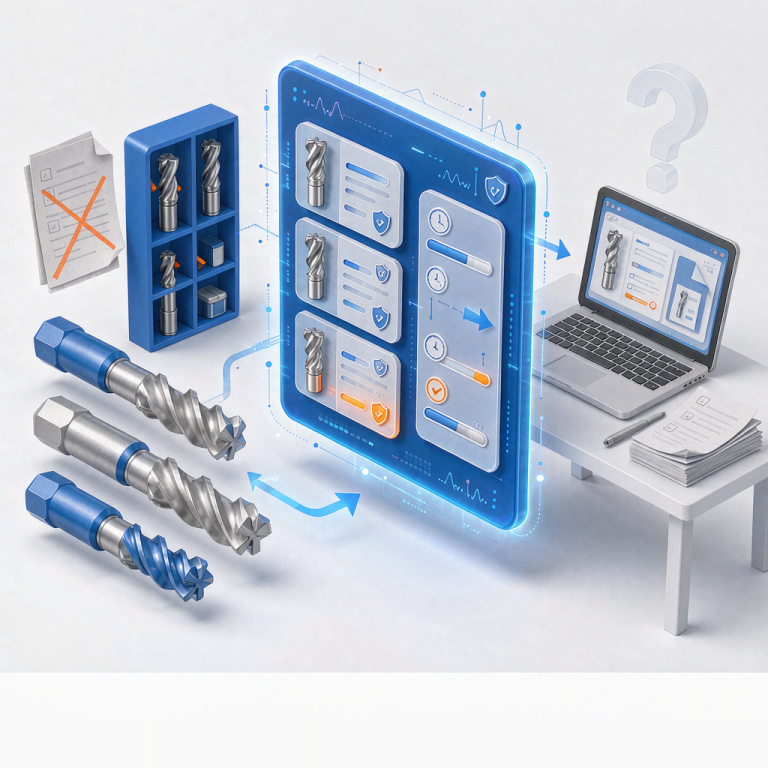
Nine out of ten people doing machining and mold production start out using Excel for tool inventory management. A quick online search turns up piles o...

Q: Which AI agent development approach should an enterprise choose?
A: Choose according to your needs: 1) single-scenario agent (solves a single pain point such as customer service or a knowledge base, live in 1 day, cost of a few thousand yuan); 2) workflow automation agent (handles repetitive work such as report compilation and data synchronization, delivered in 1 week, efficiency improved 5-10 times); 3) multi-agent collaboration system (complex business with multiple AIs dividing the work, implemented in phases).
Q: We have both project-based gauges and batch machining of tool bodies. Can one piece of software handle both well?
A: This is exactly the weak spot of many general-purpose software. An excellent tool and jig management software should have a dual-mode architecture: it can manage the full life cycle of gauges and jigs by project (design, machining, assembly, acceptance), and also efficiently handle process flow, quantity statistics and delivery rhythm for batch tool bodies. When selecting a system, be sure to confirm whether it can flexibly adapt to the mixed production scenarios of your factory.
Q: Can it integrate with our existing mold MES or ERP system?
A: Yes! The platform provides standard API interfaces and has successfully integrated with UFIDA, Kingdee and Moges in-house MES systems, enabling bidirectional synchronization of data such as work reporting and attendance to avoid information silos.


