• Moges
  • 2026-09-21

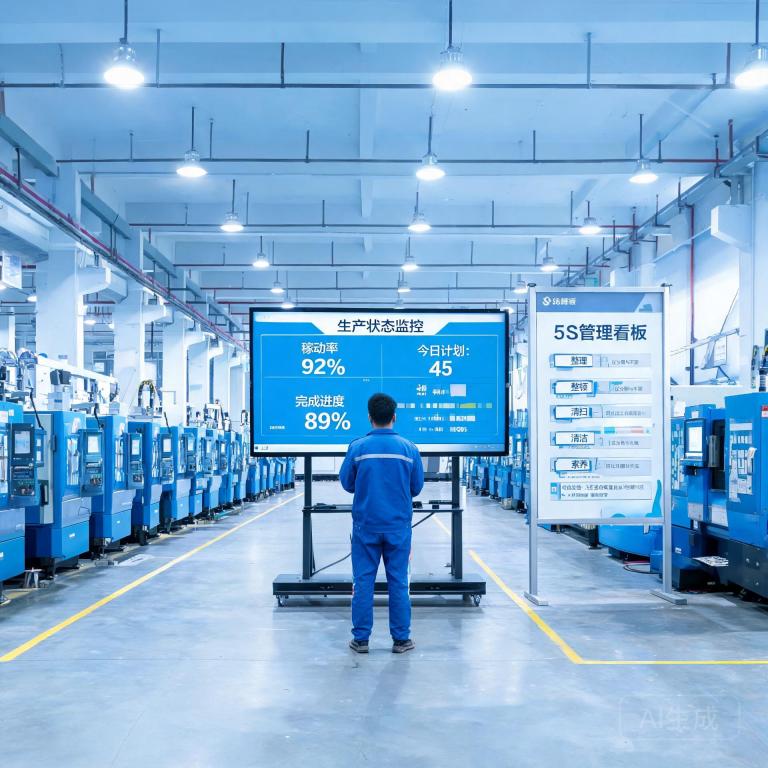
How to improve mold workshop management that is chaotic? 5 steps to transform a chaotic workshop into an organized one.

When you visit some mold workshops, you will often see a scene like this: whiteboards covered with order notes, piles of raw materials stacked high in...

  • Moges
  • 2026-09-21

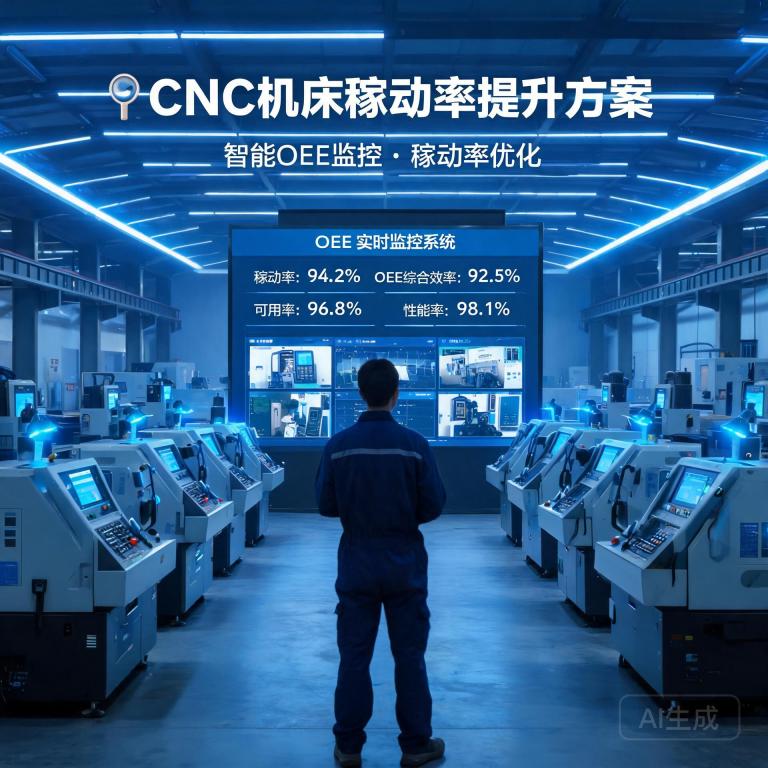
Machine Equipment Uptime Improvement Solution: A Practical Path from 50% to 85%

Your newly purchased CNC machine is running constantly in your workshop, but when the boss reviews the reports, he finds that the "utilization rate" r...

  • Moges
  • 2026-09-21

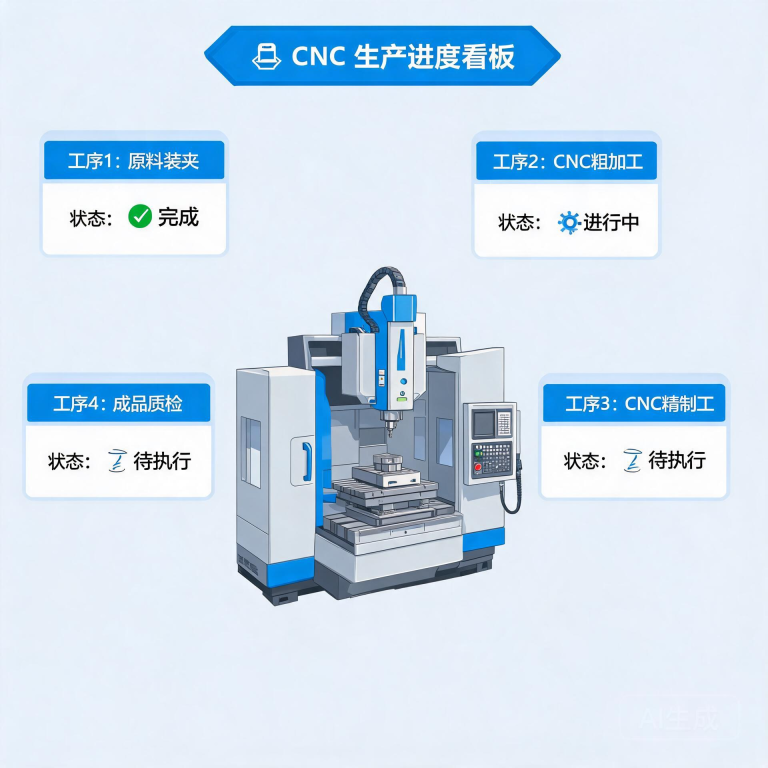
How to Choose a Machining Progress Tracking System: Three Dedicated Capabilities in PMS9 That Get Scheduling Right

Moges PMS9, a non-standard automation project management system, has already helped more than 200 manufacturing companies digitize their shop floors. ...

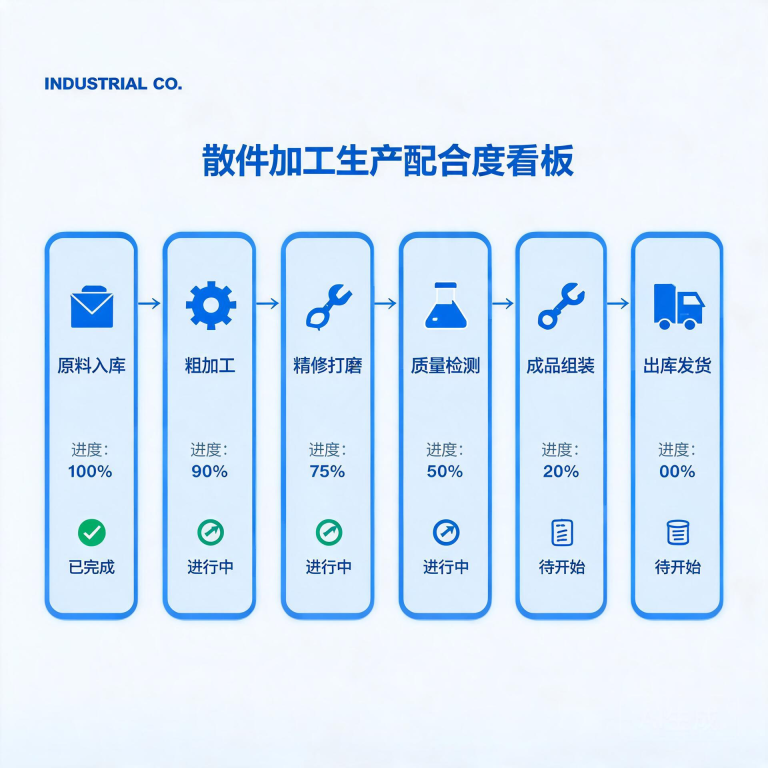
I. Why Scattered-Part Production Is Especially Delay-Prone

In mold factory workshops, this exchange is heard constantly: "The scattered-parts order — the customer is asking about the delivery date again." "Hav...

I. Why Machining Workshops Need Real-Time Tracking

The most common scene in a mold machining workshop: the customer asks "where's my mold at?" and the supervisor digs out a few scattered work orders an...

Industrial Tool and Fixture Digital Management Solution: From chaotic borrowing and returning to full lifecycle transparency, 14 years of mold factory practice validation.

In the mold manufacturing and precision machining industry, tooling and fixtures serve as the invisible bridge connecting design and finished products...

I. What MES and ERP Actually Are

If you're an owner of a small-mid mold factory with annual revenue between 5 million and 50 million, you've surely been bombarded by the phrase "digit...

I. The Five Core Pain Points of Many-Variety Small-Batch Scheduling

Every machining shop owner has a hard scripture to recite: orders ever more fragmented, batches ever smaller, varieties ever messier. Today a five-pie...

I. First Get Clear: Where Exactly Is Your Delivery Delay Jammed?

March to May is the mold industry's peak season. Orders are booked solid — owners should be grinning, yet every face is grim, for one reason: delivery...

  • Moges
  • 2026-09-21

Differences Between Mold ERP Systems and Generic ERP — 7 Core Differences Every Mold Factory Must Know Before Selecting

Many mold factory owners face the same choice in digital transformation: adopt a generic ERP, or an ERP specialized for the mold industry? The questio...

Which Mold Management Software Is Good? A Practical Selection Guide for Small and Medium Mold Factories

The mold industry has an old saying: make three molds, run three molds, and all the money earned is tied up in iron. It vividly describes the survival...

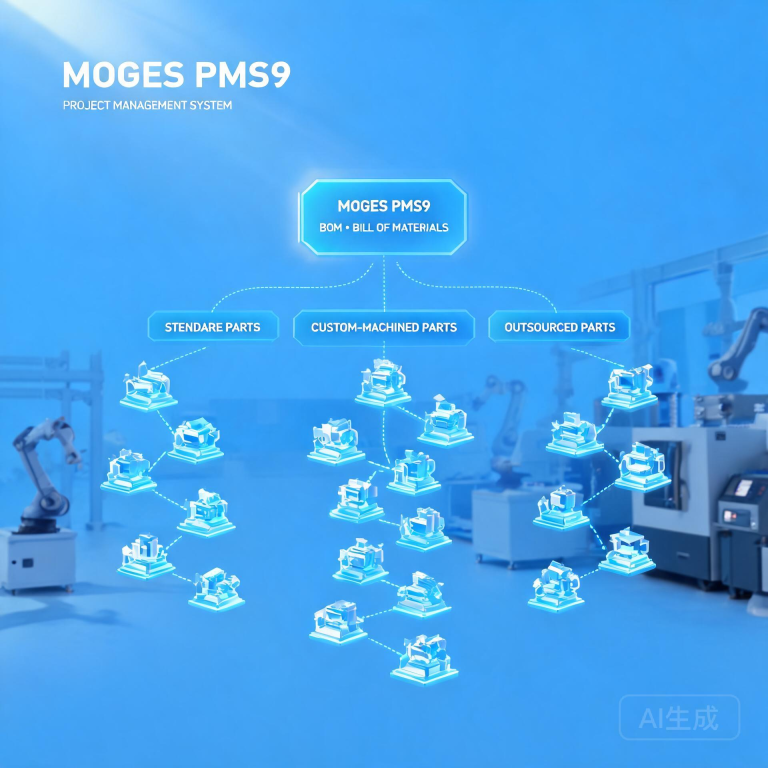
PMS9 Non-Standard Automation Project Management System: Solving the Age-Old Problem of BOM Errors in Non-Standard Manufacturing

Last week I had tea with an owner making non-standard lithium battery equipment in Kunshan, who complained about last month's pitfall: for a customer ...

Contact Us

Now
Contact Us

We deliver professional solutions tailored to our customers' needs. Or share your valuable suggestions so we can improve and grow together!

Contact
Product & Service Inquiry

Free Online Consultation on Products & Solutions

Get a Quote

FAQ

Q: Is the schedule for a non-standard automation project made differently from the schedule for buying standard equipment?
A: The difference is quite large. Standard equipment has a fixed production and delivery cycle, so a general template can be applied directly. For non-standard automation, milestones must be broken down again according to your customization requirements, the development and debugging of each functional module must be scheduled separately, and time must be reserved specifically for design changes and adjustments. You can't force a template onto it.

Q: How can we solve slow sheet metal quoting?
A: The core solution is to standardize the quoting logic and connect data through the system. Maintain basic data such as material prices and process rates centrally in the system so that calculations are called automatically during quoting, producing an accurate quote in 15 minutes.

Q: What does "Moges' three-step strategy" specifically refer to?
A: Step 1 (RMB 20,000-30,000): Establish a solid foundation for digitalization by standardizing basic data, including unifying material codes and process routes. Step 2 (RMB 80,000-100,000): Launch three core modules - Project Progress Management, Work Order Reporting and Cost Accounting, and Quality Management - directly addressing key business challenges. Step 3 (RMB 30,000-50,000 per year): Foster habit formation and continuous optimization through professional services, ensuring the system is effectively utilized and optimized.

Latest News

Online Subscription