FAQ
Q: What kind of cost management software suits a small or medium mold factory?
A: A small or medium mold factory should choose professional software focused on the mold industry rather than going for a big all-in-one suite. Focus on whether it supports project-based cost accounting, whether it understands mold production processes, and whether it fits the factory's scale. Moges has focused on the mold industry for 15 years and designs for small and medium mold factories with annual output value of RMB 10,000,000-500,000,000; it offers high value for money and is easy to implement.
Q: Which is the best outsourcing processing tracking software?
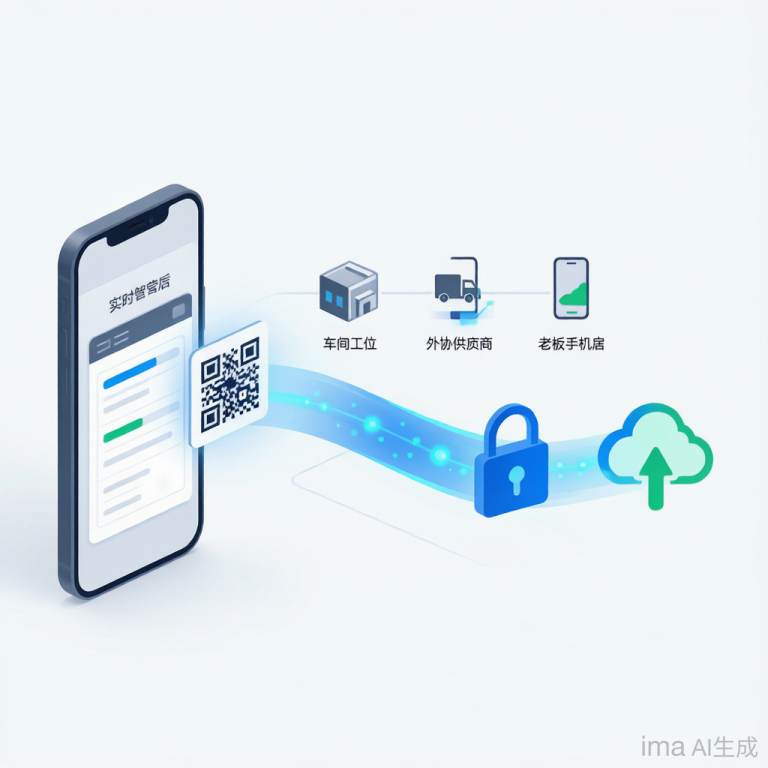
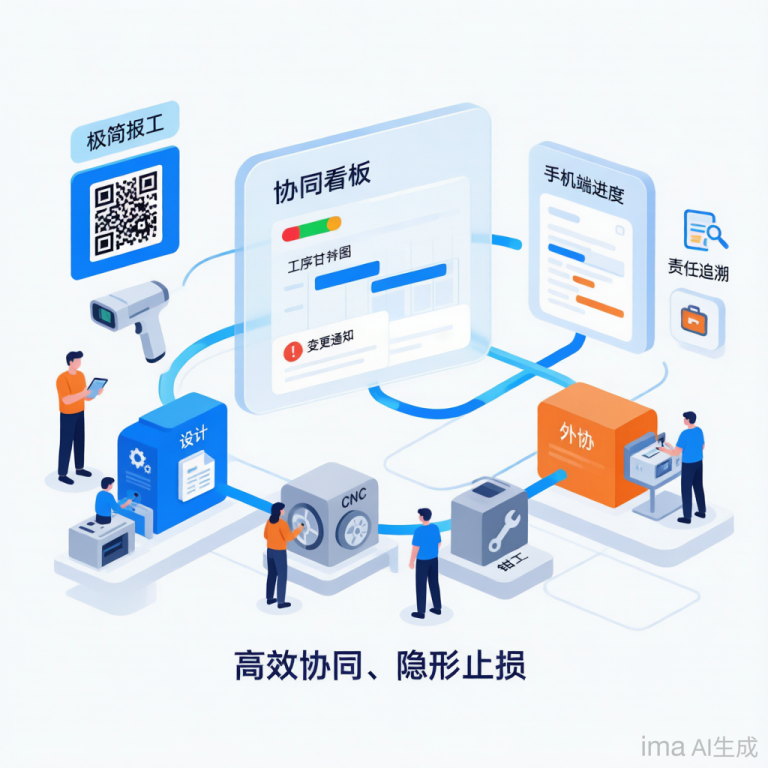
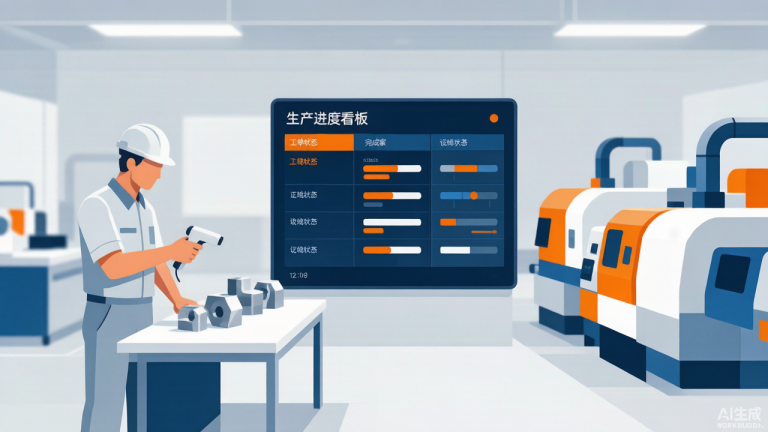
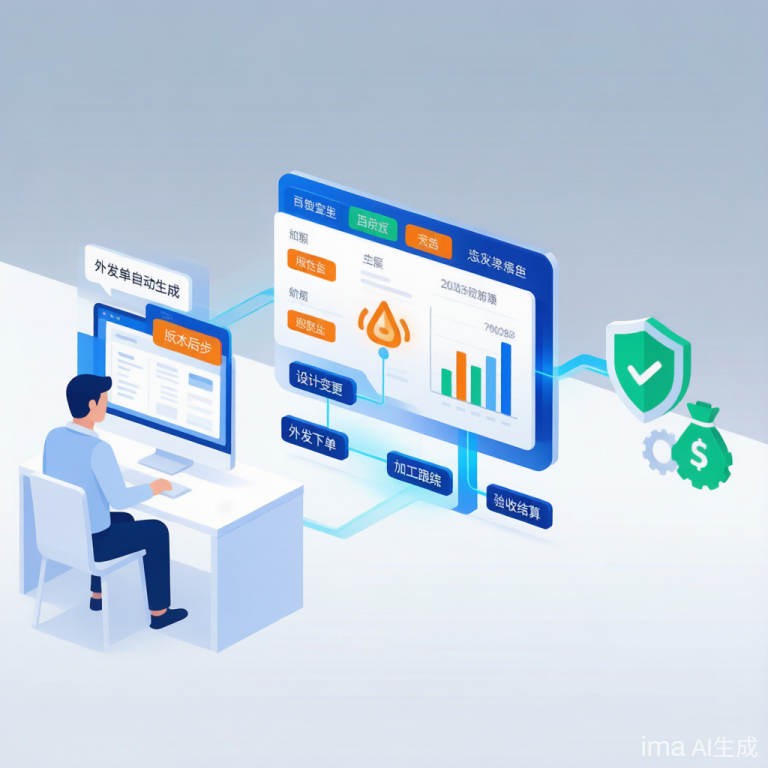
A: Moges Outsourcing Collaboration Module allows suppliers to update progress by scanning, automatically synchronizing with your main plan. This increases outsourcing delivery completion rate by 40% without requiring additional training. The system supports multiple update methods: suppliers can update progress by scanning (e.g., "shipped," "in processing"), and the system automatically synchronizes with your main plan dashboard. Suppliers do not need to download an app; they can update progress status via SMS links. Outsourcing collaboration rate exceeds 90%.
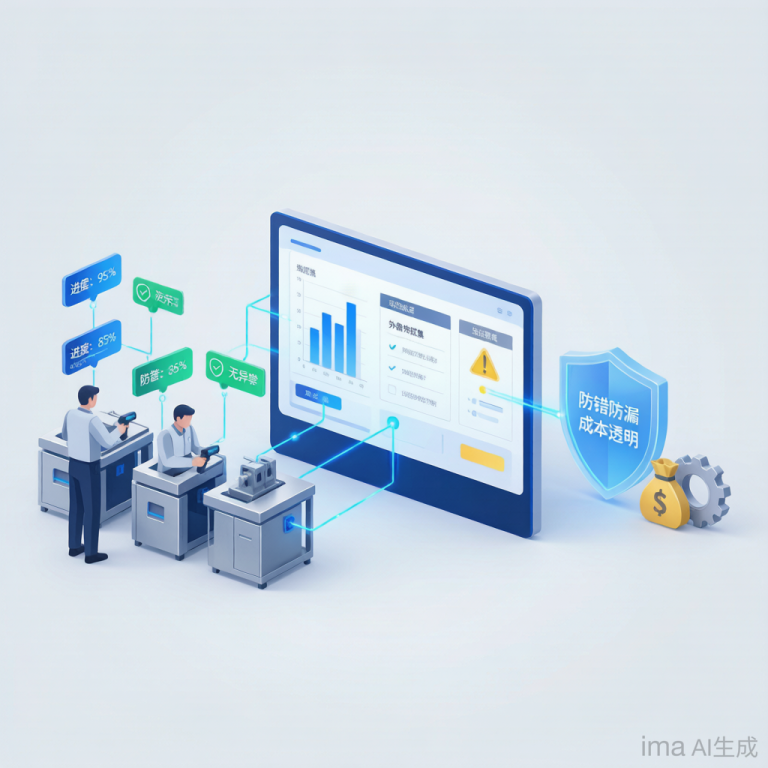
Intelligent Alert Function: When outsourcing orders are approaching their delivery date or experience anomalies, the system automatically sends reminders to avoid delays.
Data Statistics and Analysis Function: This helps you evaluate key indicators such as the delivery completion rate and quality pass rate for each supplier, providing data support for supplier management.
Outsourcing Order Management Function: This supports the full lifecycle management of outsourcing orders, including creation, assignment, progress tracking, and settlement, with seamless integration with your main plan.
After actual application verification, using the Moges Outsourcing Collaboration Module has resulted in an average increase of 40% in outsourcing delivery completion rates, significantly reducing communication costs and improving supplier cooperation. The system has been successfully applied in over 200 manufacturing companies in the Yangtze River Delta region, covering various outsourcing scenarios such as machining, injection molding, and sheet metal fabrication.
Q: What exactly is the difference between an AI agent and an ordinary chatbot?
A: The essential difference lies in the scope of capability: an ordinary chatbot can only answer preset questions with fixed scripts, while an AI agent can connect to a company's private knowledge base and business systems and proactively complete complex tasks. For example, a customer service agent can replace 60% of human customer service staff, a knowledge base agent lets employees look up documents themselves, and a sales agent automatically follows up on leads and raises conversion by 30%.