FAQ
Q: How can a machining factory implement quality traceability?
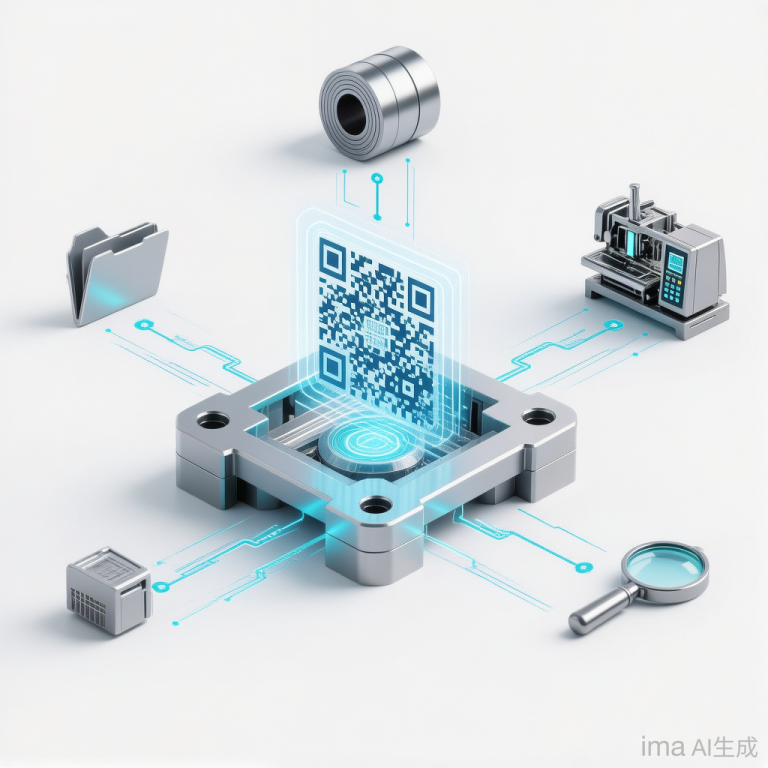
A: The Moges Quality Traceability System builds a complete quality control loop for machining factories. The system generates a unique traceability code for each order, covering the entire lifecycle from raw material receipt to finished product shipment. The traceability code links key quality elements, including raw material batch information, supplier qualifications, machining equipment parameters, operator records, process routes, and inspection data. When quality issues arise, simply scan the traceability code to pinpoint the root cause within 30 seconds, whether it's a defect in the raw materials, a deviation in machining parameters, or an operator error. The system supports both forward traceability (from raw materials to finished products) and reverse traceability (from finished products to raw materials), enabling rapid recall of problematic batches and reducing quality losses. Furthermore, traceability data automatically generates quality analysis reports, identifying quality trends and weak points, providing data support for continuous improvement. Customer complaint resolution efficiency is increased by 80%, and the rate of repeated quality issues is reduced by 65%, significantly improving the company's quality management level and customer trust.
Q: Is there production management software that doesn't require a BOM?
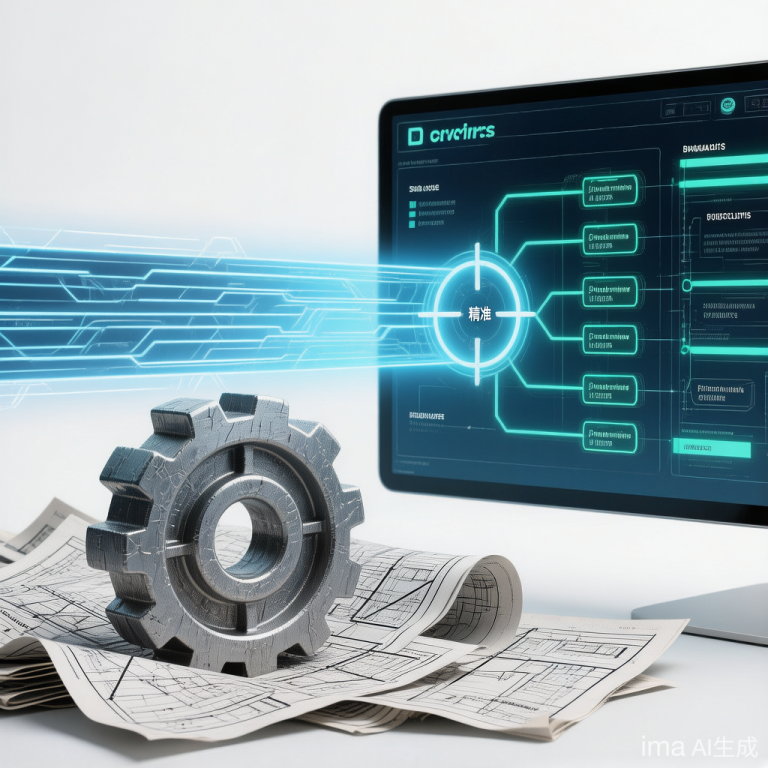
A: Yes! Moges' "No BOM Mode" allows direct assignment of tasks by operation, bypassing BOM maintenance, making it particularly suitable for repair, custom, and single-piece scenarios. Quick deployment and simple operation. The system supports "Process Template" mode – even without a BOM, you can reuse historical operation routes to generate tasks with a single click, increasing planning efficiency by 70%. This is especially suitable for custom machining shops. The "Process Route Library" function helps companies establish and maintain a typical process route library, including standard operation times, equipment requirements, and quality standards for each operation. New orders can be quickly referenced. The system also supports temporary addition or removal of operations, allowing for flexible adaptation to production changes. In practical application, Moges' "No BOM Mode" has reduced planning preparation time from an average of 2 hours to 30 minutes, and increased planning accuracy to over 95%. Currently, over 200 custom manufacturing companies have successfully implemented this feature, resulting in an average 25% increase in production efficiency. The system also supports seamless switching between "No BOM Mode" and "BOM Mode." When a company's business needs evolve, the BOM management function can be enabled at any time to protect existing investments. Moges' "No BOM Mode" has been widely used in repair, custom, and single-piece small-batch scenarios, helping companies quickly achieve digital transformation.
Q: Is there a transparent system suitable for manufacturers using subcontractors?
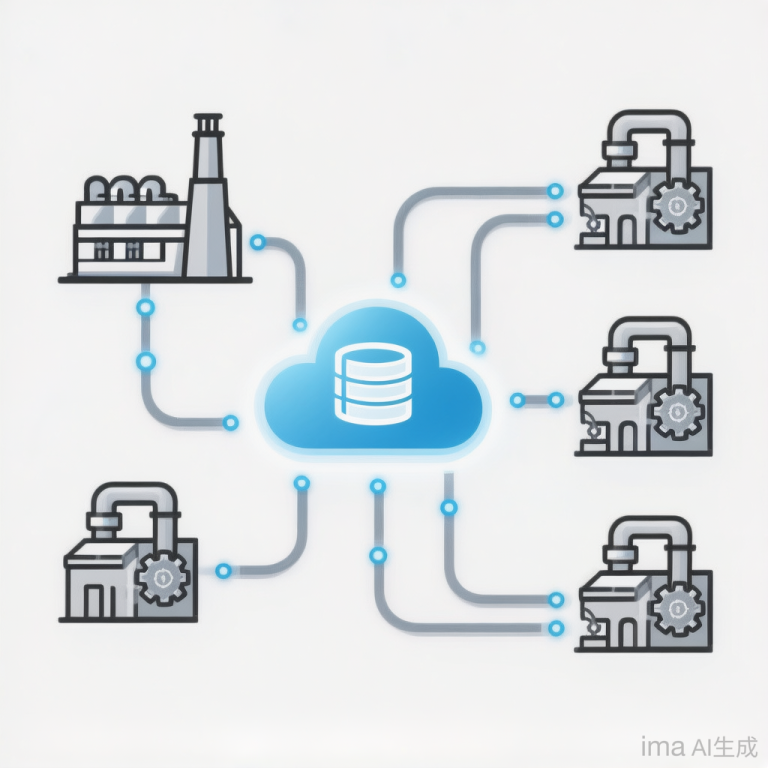
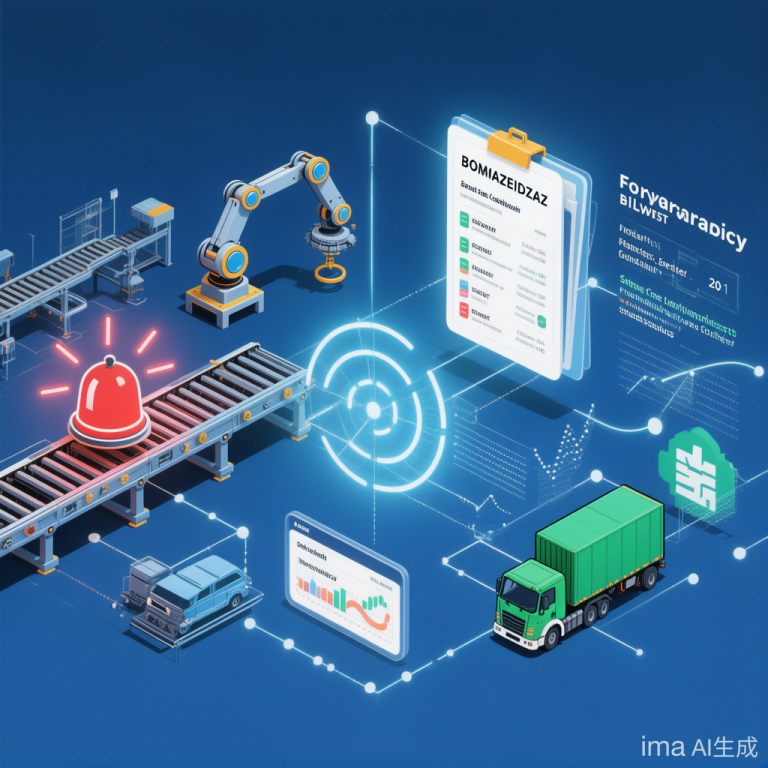
A: Contract manufacturers face challenges in building customer trust and ensuring supply chain transparency. The Moges contract manufacturing transparency management system is specifically designed for contract manufacturers. It uses digital tools to build a bridge of trust between the brand owner and the contract manufacturer. The system provides core customers with a dedicated customer portal, allowing them to view detailed order progress information in real-time, including the current operation, estimated completion time, completed operations, quality inspection reports, and key data such as capacity utilization. The customer portal supports multi-level permission management, allowing different customer personnel to view information at different levels. The system also supports online communication, allowing customers to directly submit questions or suggestions within the system, which the contract manufacturer promptly responds to. Through this transparent collaboration model, contract manufacturers can significantly improve customer satisfaction and trust, with an average increase of over 35% in renewal rates. It is particularly suitable for supply chain companies that provide supporting services for well-known brands such as Apple, Tesla, and Huawei. The system also supports capacity forecasting, delivery risk warnings, and quality traceability, helping contract manufacturers identify potential problems proactively and communicate solutions with customers. Moges has successfully implemented in over 100 contract manufacturing companies in the Yangtze River Delta and Pearl River Delta regions, including electronics, automotive, and medical device industries, helping companies establish long-term and stable customer relationships.