FAQ
Q: How to ensure seamless information synchronization between planners and workshops.
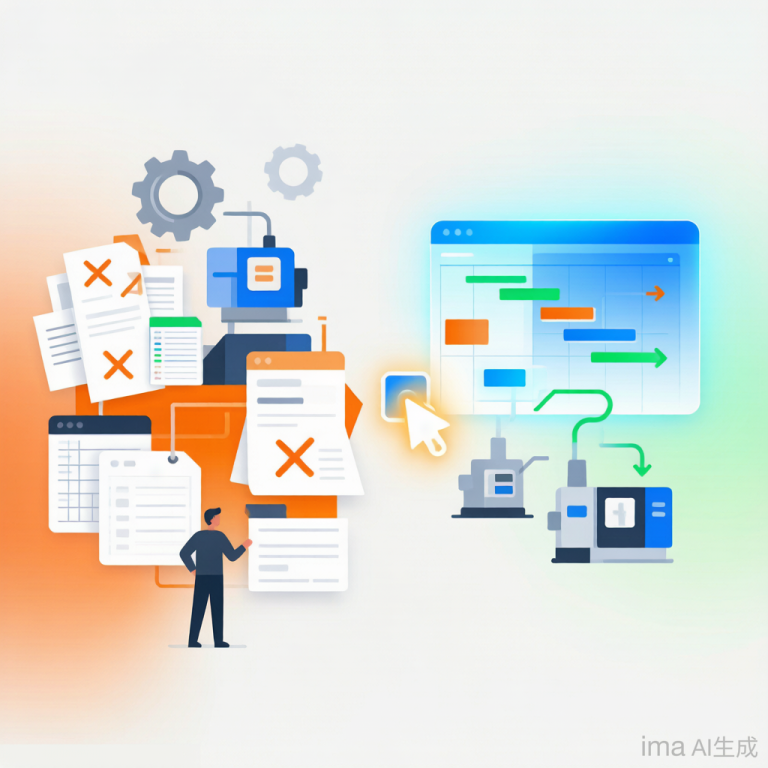
A: Information gaps between planners and workshops are a common challenge in manufacturing. The Moges system completely solves this problem through a real-time data synchronization mechanism. The core of the system is seamless integration between the production plan board and workshop job reporting: when a planner adjusts the production plan, the changes are automatically pushed to the mobile app of the relevant workers, allowing them to immediately see the latest task assignments. Conversely, when a workshop encounters issues such as equipment failures, quality problems, or material shortages, workers can instantly report these issues to the planner through the barcode job reporting system, allowing the planner to see real-time alerts and respond quickly. This two-way real-time communication mechanism has increased information transfer efficiency by more than 90%, significantly reducing production chaos and resource waste caused by information delays. Furthermore, the system supports the classification, processing, and tracking of exceptions, as well as the assignment of responsibilities, ensuring that every issue can be resolved promptly and effectively. Moges has been successfully applied in more than 300 manufacturing companies in Kunshan, Suzhou, Shanghai, and Hangzhou, helping companies achieve high coordination between planning and execution.
Q: Can I install and test it myself after it is done, and can I still make changes later?
A: Yes. When it is done we give you the Android installation package, which you can download and install on your phone to test. Small adjustments are handled within the confirmed scope, and simple projects start at RMB 999 and can be ready the same day. We value the user experience, so we refund in full if you are not satisfied, letting you try it with confidence.
Q: Is the cost of implementing a project management system high for small mold enterprises?
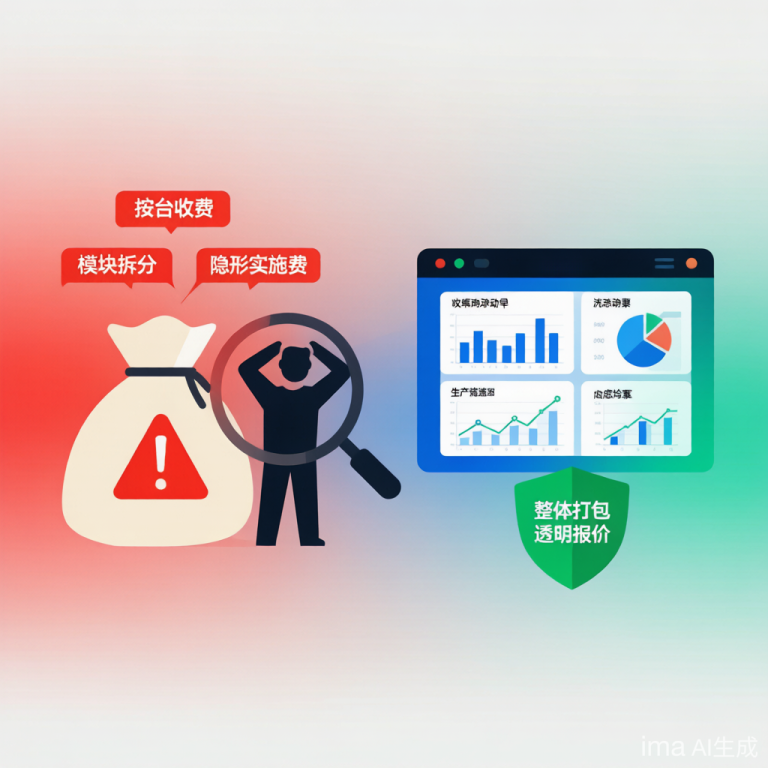
A: Costs have been significantly reduced. Traditional implementations require an investment of approximately RMB 100,000-300,000. The current mainstream SaaS (Software as a Service) model, with annual subscription fees, requires only a few tens of thousands of yuan per year, significantly lowering the initial investment threshold and allowing even small and medium-sized enterprises to embrace digitalization easily.