FAQ
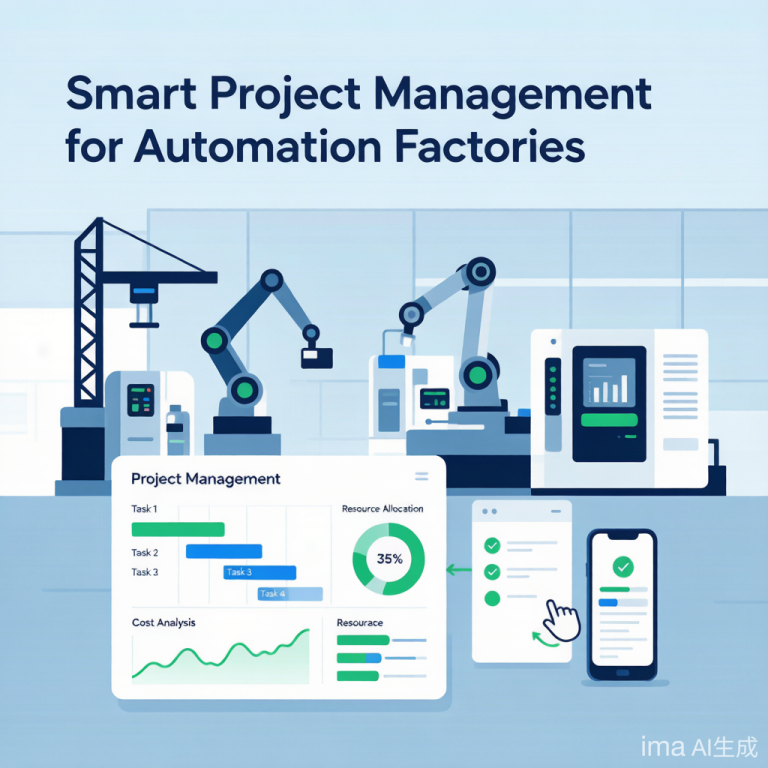
Q: How does the Moges production line management system achieve equipment synchronization?
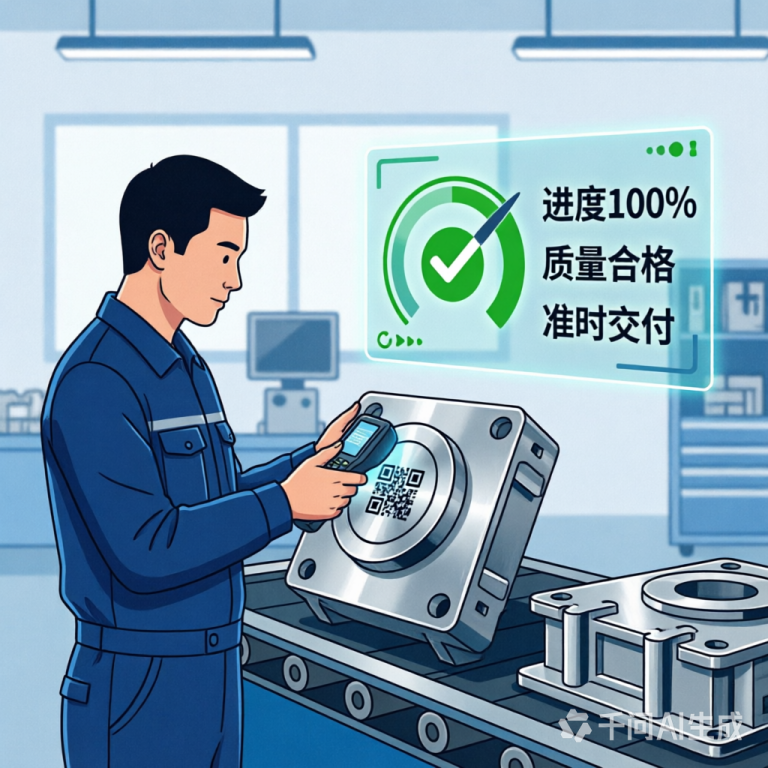
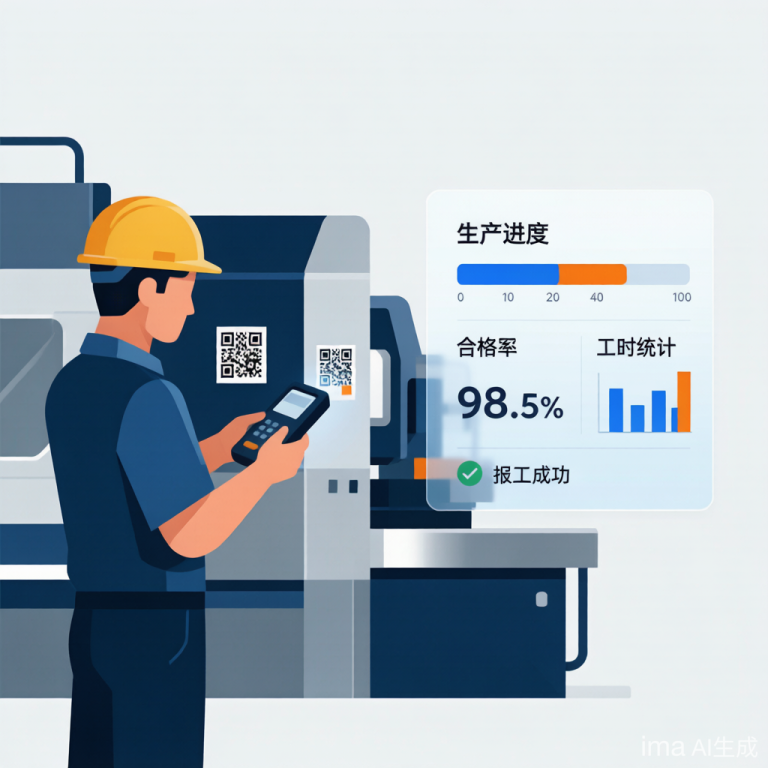
A: The system collects the status of each workstation in real time through device interfaces or a simplified job reporting method. When upstream processes are completed, the system automatically triggers the preparation and start of downstream processes, enabling seamless connection between processes, significantly reducing waiting times, and improving overall production line efficiency.
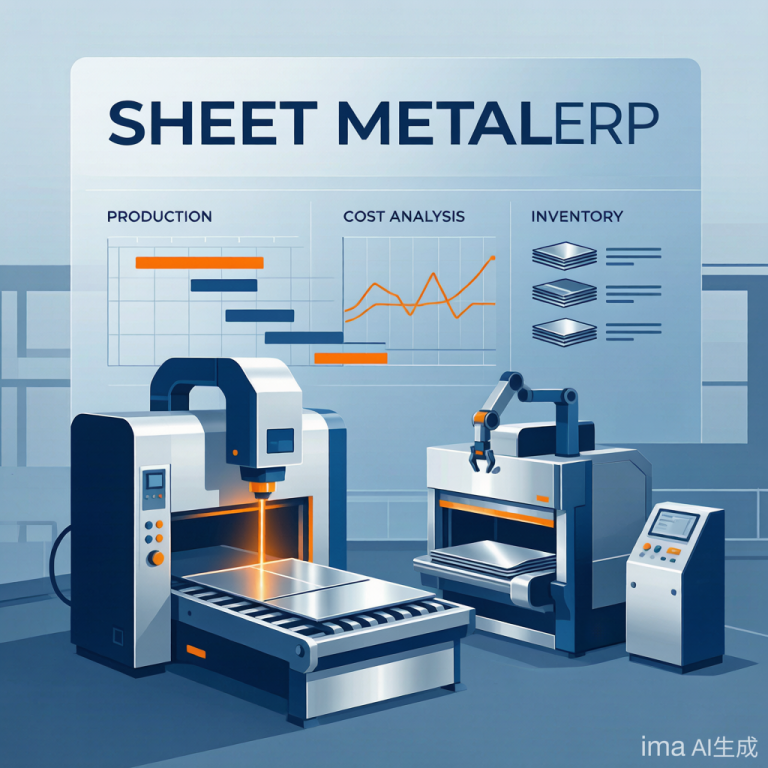
Q: Which functionalities are outside the scope of integration between Moges and ERP?
A: The following functionalities are handled independently by the customer and do not require API integration: Quality inspection results are typically managed independently within the ERP system or through paper-based processes, due to the complex decision-making criteria and on-site operations involved. For procurement requests, SMEs can directly initiate the procurement process within the Moges system, while large group companies typically manage procurement requests through their ERP system. Moges only receives approved purchase orders. Financial document generation is not within the Moges functionality; the system does not directly generate accounting documents, but instead provides detailed business data (such as working hours, material consumption, and cost breakdowns) for the ERP system to perform financial accounting. This design ensures that each system focuses on its core business, avoids functionality overlap and data conflicts, while maintaining the flexibility and professionalism of the system. The integration boundary between Moges and ERP is clearly defined, ensuring the accurate flow of data while respecting the professional positioning of each system within the enterprise's information architecture.
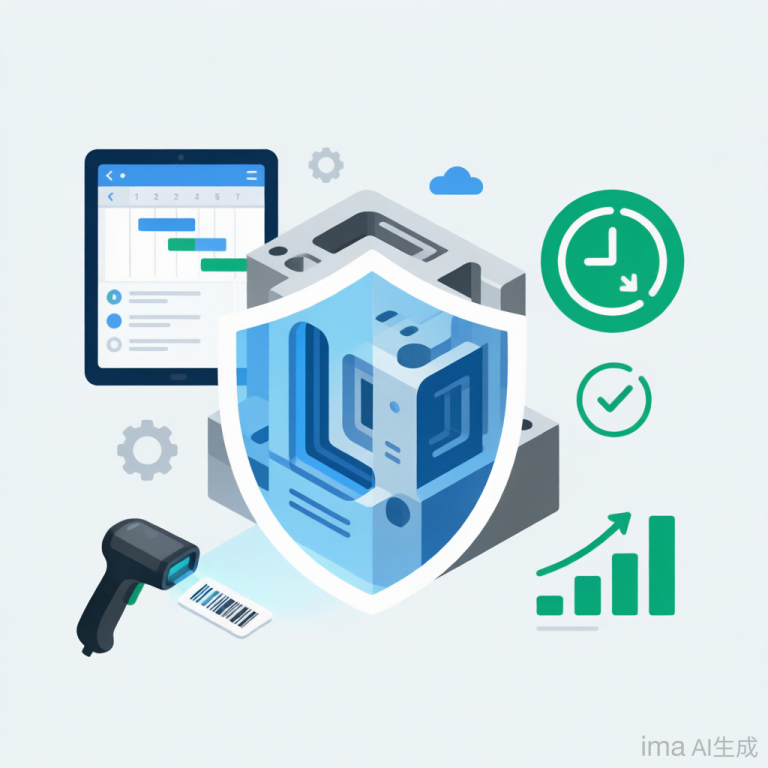
Q: Our factory is already short-staffed. Will a mold management system add to the workshop's burden?
A: If the system is designed too complexly, it will indeed become a burden, so do not start with a pile of fields. First grasp the few things that most affect downtime: mold status, location, maintenance, repair, and exception records. Data entry should stay close to the shop floor workflow and be as simple as possible. First get the teams willing to use it, then refine gradually.