FAQ
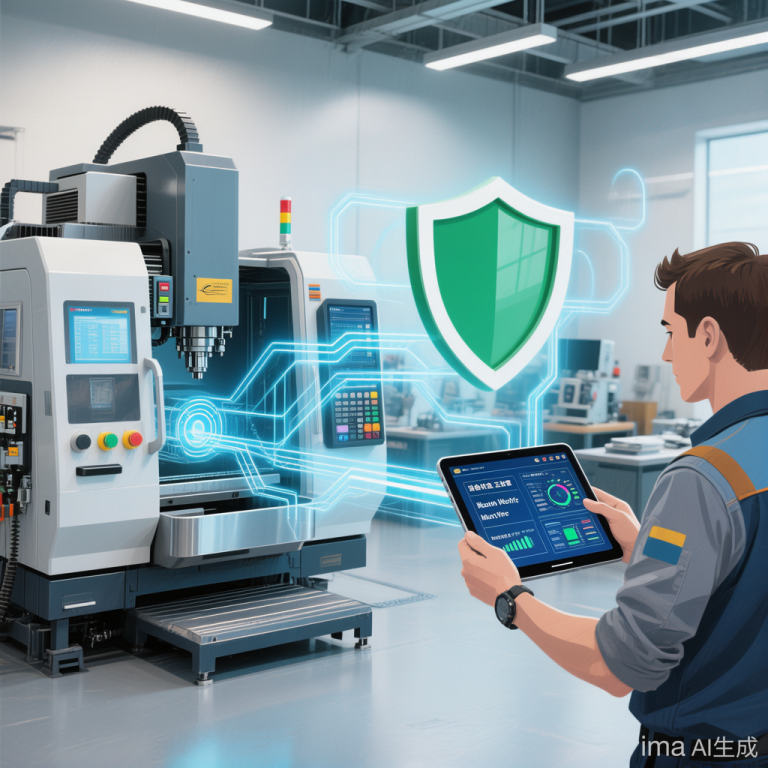
Q: How does the remote maintenance platform achieve fast fault diagnosis and resolution?
A: The platform collects equipment operating data in real time through IoT technology and raises an automatic alarm when an anomaly appears. Technicians can connect to the equipment remotely to check parameters and diagnose the problem. For 80% of common faults such as program errors and parameter drift, they fix it directly by remote modification without waiting for an engineer to visit, cutting response time from 3-4 hours to under 20 minutes.
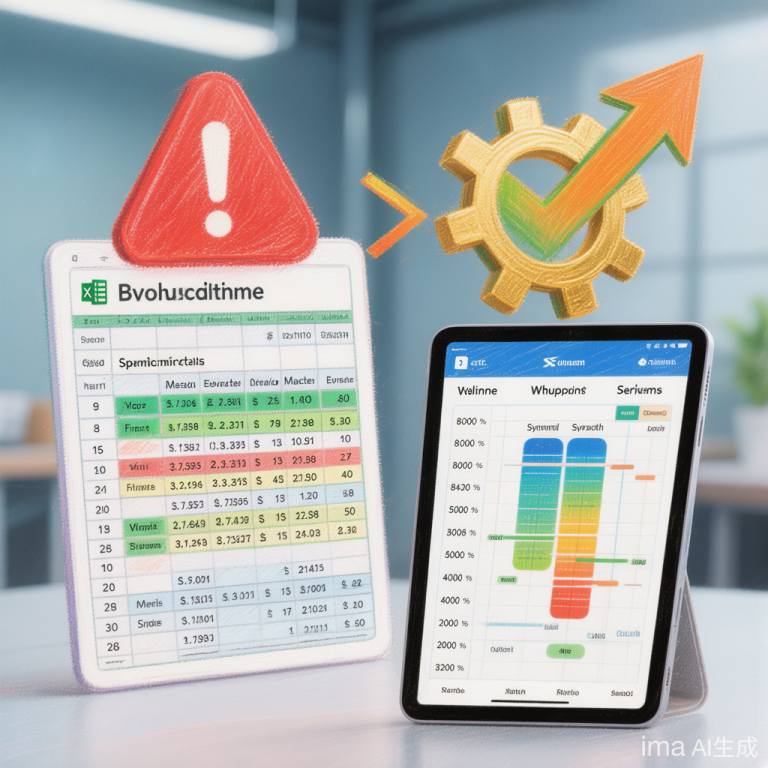
Q: We frequently insert rush orders and change the scheduling sheet every day. Is there a method suitable for small factories?
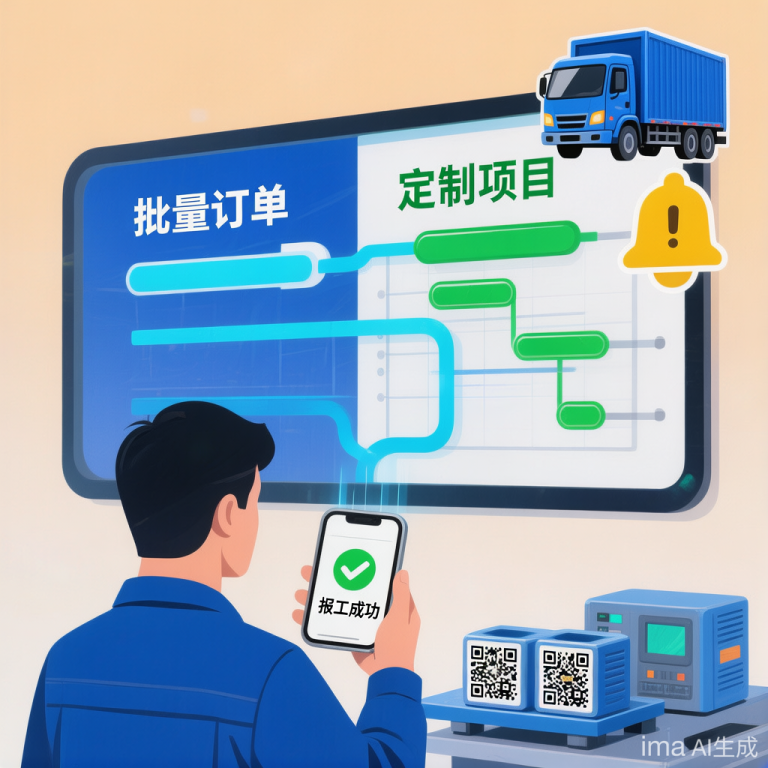
A: Rush orders are very normal for small discrete manufacturing plants. The problem is not that you cannot insert them, but that no one calculates who is affected after insertion. A scheduling tool should at least let you see each order's delivery date, process load and occupancy of key equipment, so that plan changes have a basis. Small factories should not pursue one-step, perfectly accurate automatic scheduling; it is already valuable if supervisors can adjust quickly and employees know what to do today. If you look at Moges or other systems, focus on asking whether scheduling adjustments are convenient, so that after buying it is not harder to change than Excel.
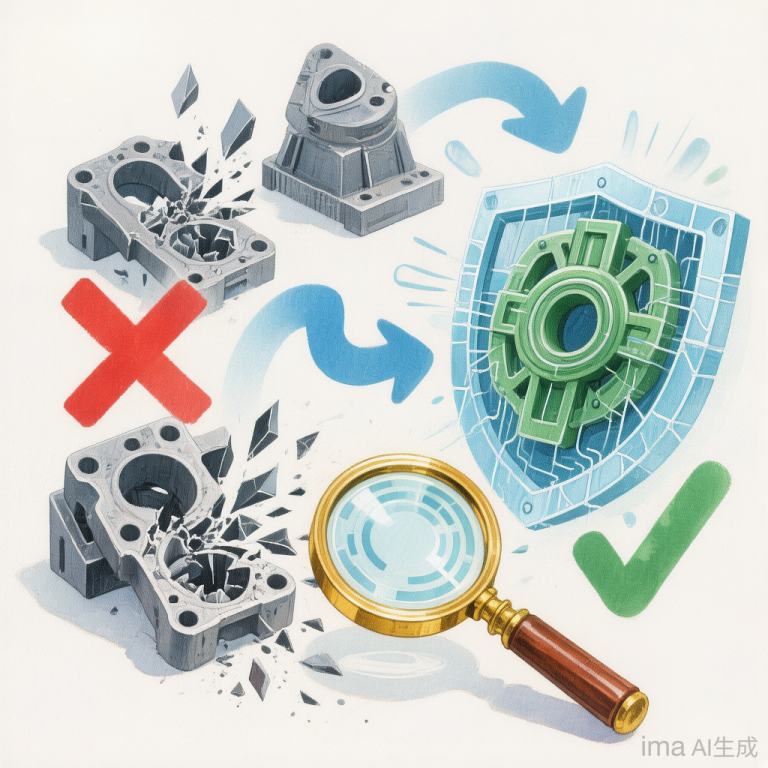
Q: We do high-mix, low-volume machined loose parts, and missed inspections often lead to customer complaints with no one to hold accountable. Can loose-part machining quality inspection process software solve this?
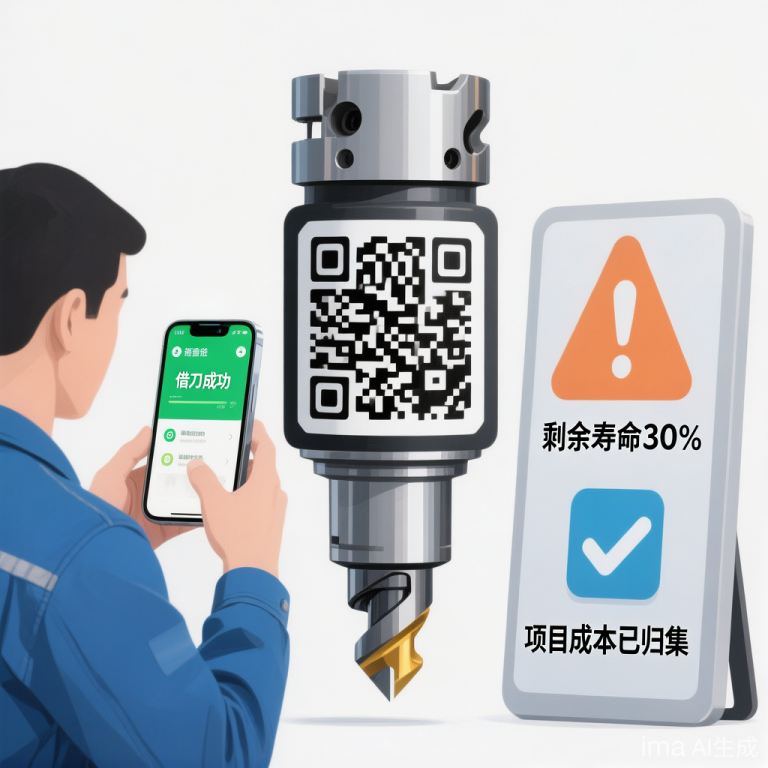
A: It can absolutely solve this problem. The software can bind the inspection checkpoint of each batch and each loose part to a specific person in charge, and if an inspection is missed the process cannot move forward. When a problem occurs, scanning the workpiece code shows which step was inspected by whom, so responsibility is crystal clear. Moges's product is adapted specifically for loose-part machining, so it won't be a poor fit like generic software.