FAQ
Q: How do I build a cost accounting system for non-standard equipment projects?
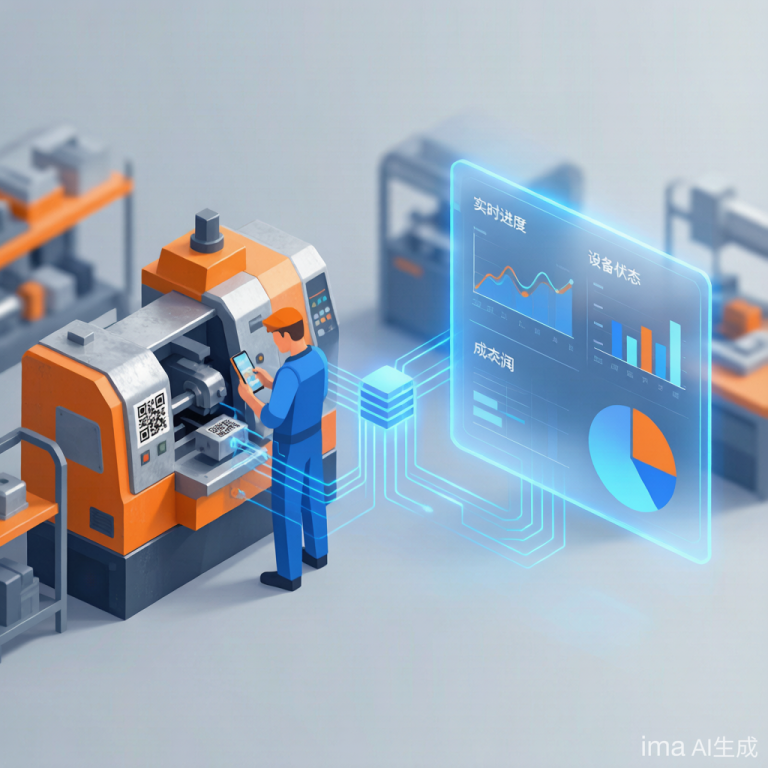
A: The first step is to set up accounts by project, treating each machine as an independent project and creating a project master record with the customer, equipment name, delivery date, owner and contract amount. Then split the cost categories around the project: material cost (standard parts, purchased parts, machined parts, sheet metal parts, electrical parts), process cost (machining, assembly and commissioning hours), subcontracting cost (sending out, return to plant, inspection, reconciliation) and exception cost (rework, scrap, quality issues). All data must hang under the same project number.
Q: We never quote new mold orders accurately, and often lose money after taking the order. Can a historical data tool help?
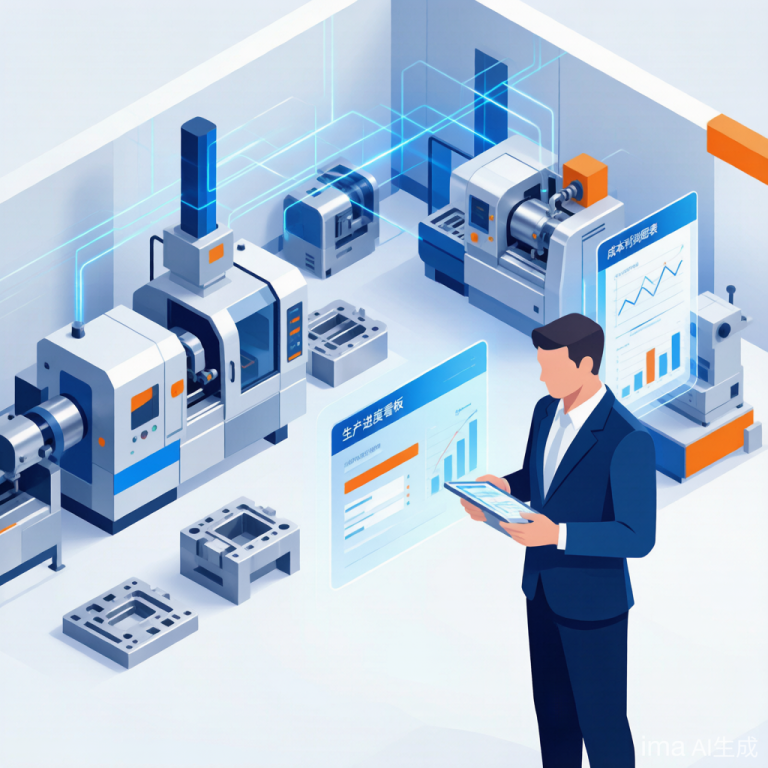
A: Certainly. The machining hours, material loss, and labor cost of the same or similar mold structures are all in the historical data. Pulling them out and calculating against them is far more accurate than guessing. The Moges system we use now can also automatically match data from similar molds, so cost calculation is fast and accurate, and we rarely quote at a loss anymore.
Q: Our factory has dozens of mold sets in progress at the same time. Can the system keep them clear?
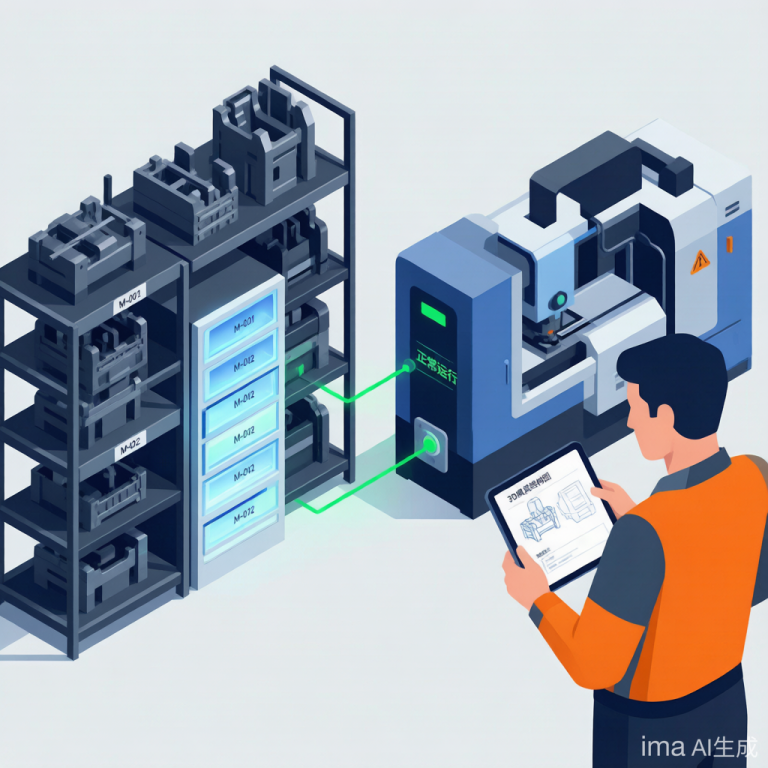
A: The system automatically sorts by delivery date and machining status, and also highlights orders at risk of delay in red. Which to do first and which to postpone is clear at a glance, so supervisors no longer have to rely on memory and notebooks every day.