FAQ
Q: How to efficiently schedule small-batch, multi-product production.
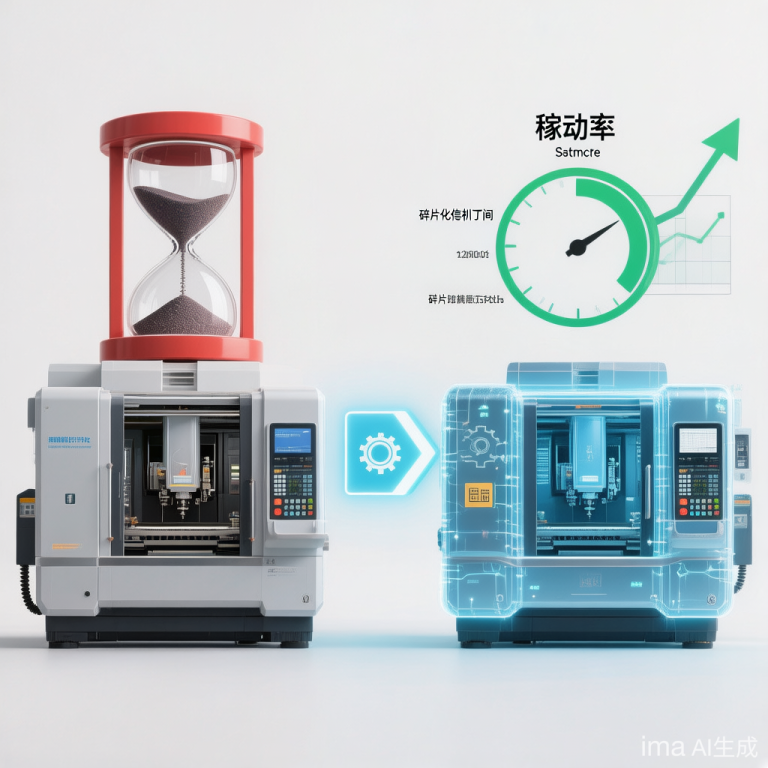
A: Dealing with small-batch, multi-product manufacturing is a common challenge. Moges' "Flexible Production Engine" is designed specifically to address this. The system intelligently sorts orders based on multiple dimensions, including equipment capacity, worker skills, delivery urgency, and material availability, while considering various constraints to automatically generate the optimal production plan. In practice, the system can intelligently merge similar orders to reduce changeovers, reducing average changeover time by 30%. It can also dynamically adjust production rhythms to balance equipment loads and avoid bottlenecks, and respond in real-time to new order requests, automatically assessing the impact and providing adjustment recommendations. More importantly, the system provides a visual production dashboard, allowing planners to manually adjust production plans by simply dragging and dropping. A precision parts factory in Suzhou saw a significant improvement: overall equipment effectiveness (OEE) increased from 58% to 80%, and on-time delivery rate increased from 75% to 95%, resulting in a 35% increase in per-worker output. If you are struggling with the challenges of small-batch, multi-product production, Moges' Flexible Production Engine will provide a significant breakthrough.
Q: Mold quotes are always miscalculated by hand, and we only discover the loss after finishing the order. Is there a reliable tool that calculates costs automatically?
A: This is a pit almost every small and medium-sized mold company has fallen into, since manual calculation inevitably has errors and omissions. A dedicated automatic mold cost calculation tool standardizes the calculation of raw materials, labor, and loss, giving much higher accuracy. The Moges tool was developed specifically for the mold industry and fits the actual production conditions of domestic mold companies.
Q: Our machining workshop's basic data is incomplete. Can we still carry out digital transformation?
A: Absolutely. You do not need to organize all historical data, only two core sets: basic equipment information (number of machine tools, processes, machining range) and process information for the workpieces you commonly run (the workpiece processes and standard work hours of the last 3 months). That is enough to start, and you keep refining it as you use the system.