FAQ
Q: Mold quotes are always miscalculated by hand, and we only discover the loss after finishing the order. Is there a reliable tool that calculates costs automatically?
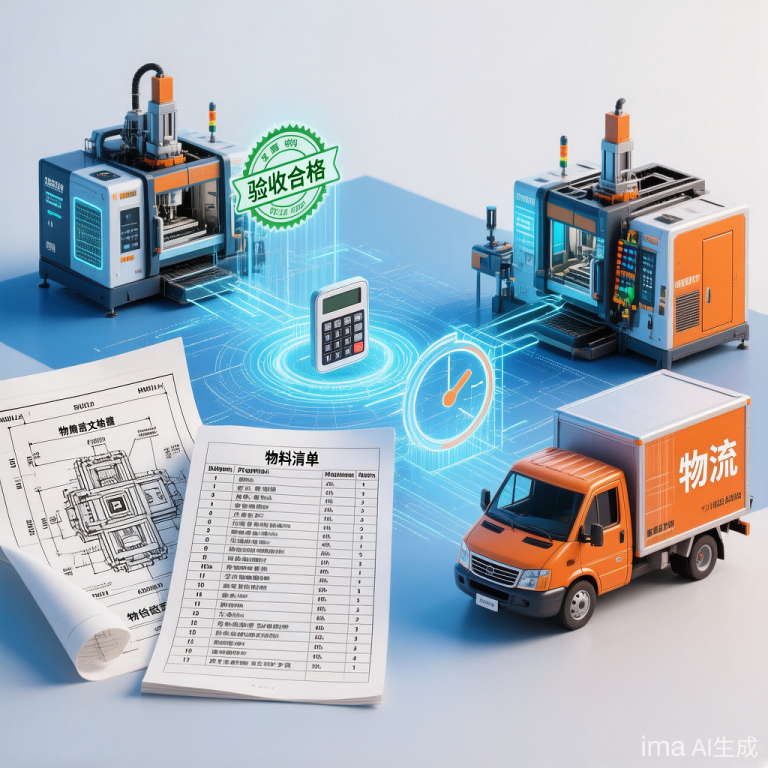
A: This is a pit almost every small and medium-sized mold company has fallen into, since manual calculation inevitably has errors and omissions. A dedicated automatic mold cost calculation tool standardizes the calculation of raw materials, labor, and loss, giving much higher accuracy. The Moges tool was developed specifically for the mold industry and fits the actual production conditions of domestic mold companies.
Q: What if workshop operators cannot use smartphones?
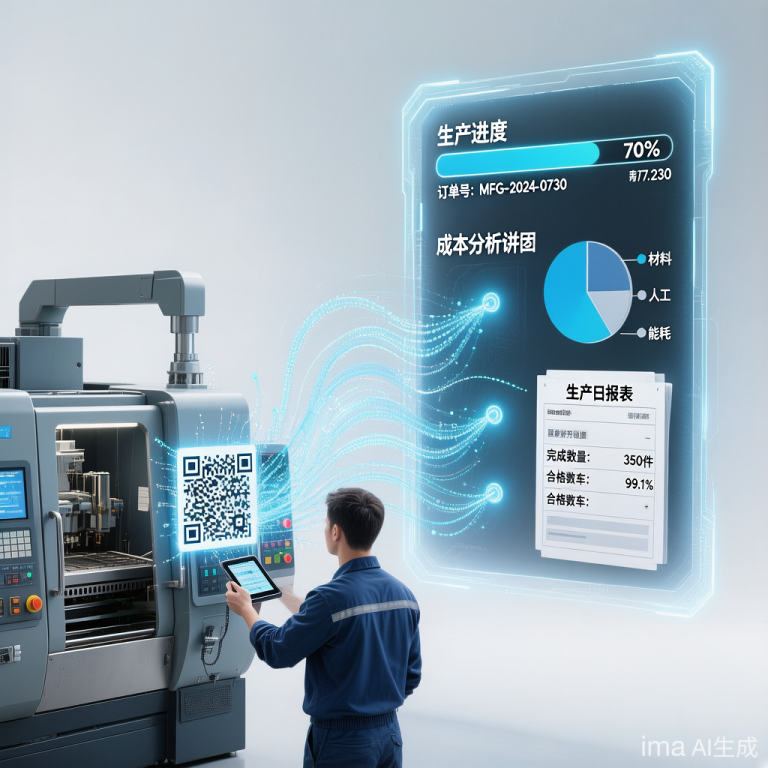
A: Our app interface is extremely simple: just scan a code and tap Complete to report work, which is easier than sending a WeChat message, and 5 minutes of training is enough to get started.
Q: What are the key features of Moges' Production Planning and Scheduling (APS) module?
A: Moges APS (Advanced Planning and Scheduling) module is a key competitive advantage of the system, featuring multiple advanced technical characteristics. Firstly, the system is based on Google OR-Tools to build an intelligent scheduling engine, which is an open-source optimization tool library capable of handling complex constraint satisfaction problems. The system uses real data such as equipment capabilities, personnel skills, standard working times, and outsourcing resources to achieve dynamic scheduling and real-time adjustments. Notably, Moges integrates with Qwen, a large language model, to support natural language interaction. Users can query production progress and adjust scheduling plans through dialogue, significantly reducing the barrier to entry. Using RAG (Retrieval-Augmented Generation) technology, the system builds "capability profiles" for equipment, personnel, and outsourcing vendors, creating a realistic and executable AI scheduling system. The system also supports multi-objective optimization, automatically generating the optimal scheduling plan by considering multiple dimensions such as delivery time, cost, and equipment utilization. In practical applications, this module helps customers reduce delivery cycles by an average of 22% and improve overall equipment effectiveness (OEE) by more than 25%.