FAQ
Q: How should work hours be tracked so that they are accurate?
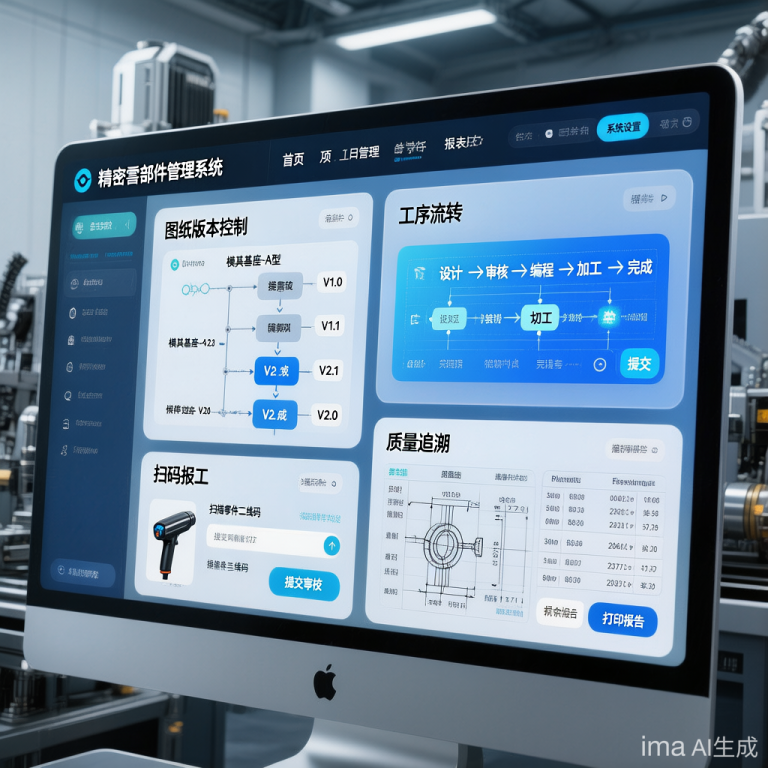
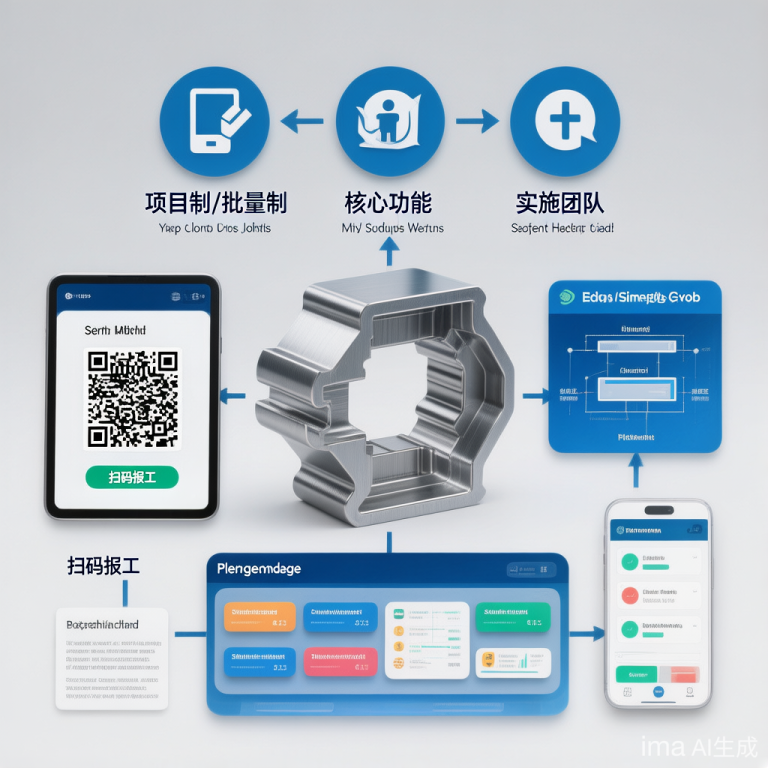
A: Work hour tracking cannot rely on month-end estimates; it must be reported by process. For example, a machined part goes through milling, drilling and grinding, and when each process is finished you record the person, the machine and the time used; assembly and commissioning are recorded by stage. We recommend reporting by scanning a code, so employees record progress and hours with one scan, reducing the omissions and errors that come with handwritten forms. If work hours are not captured in time, cost accounting will always lag behind.
Q: When the design of a non-standard project changes midway, the whole schedule falls apart. How should we solve this?
A: Changing the design or requirements is entirely normal. The key is to immediately adjust all related milestones after a change and reassess the impact on the total schedule. Once adjusted, sync with the internal team and the client right away instead of quietly making changes. Many automation customers we have worked with operate this way, and their schedules do not fall apart after changes.
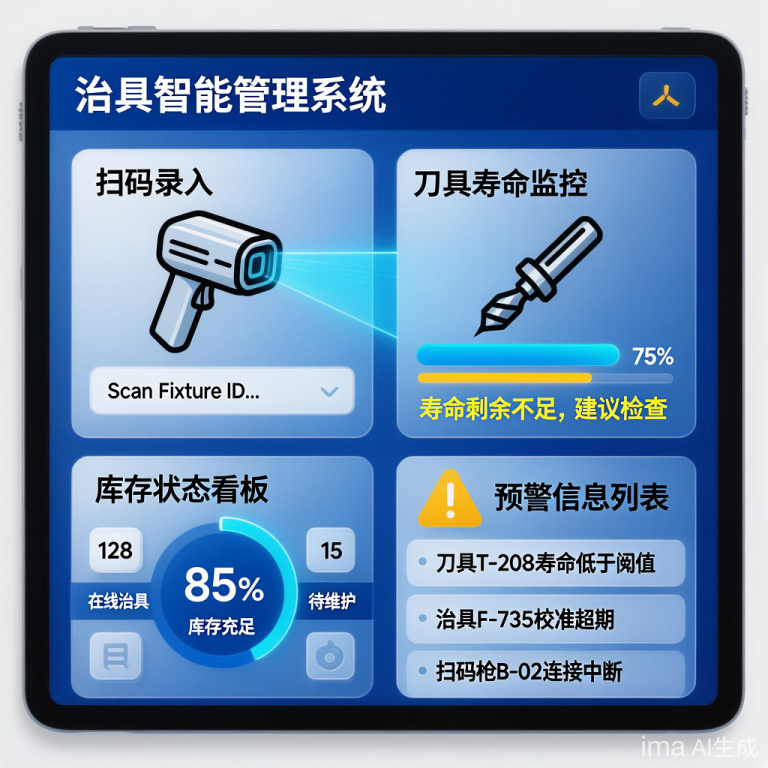
Q: We always forget to calibrate our gauges and only find out the accuracy is off when a quality problem appears. Can this be managed?
A: Of course. The full lifecycle management system lets you set a calibration cycle for each gauge in advance. When the calibration date approaches, it automatically sends a reminder to the person responsible, so a gauge will not go past due without being calibrated. All calibration records are also stored in the system, and you can pull them up and print them directly during a customer factory audit, which is very convenient.