FAQ
Q: Why should the machining industry always choose a local service provider rather than a remote one?
A: A local service provider can come on site the same day to solve system problems and train staff, and understands the cooperation rules and production pain points of the local machining industry in depth, so your production will not stop while you wait for service. A remote provider can only send video tutorials, problems take a long time to resolve, staff cannot get timely guidance when they struggle with operations, and the system eventually sits idle and goes to waste.
Q: How to efficiently schedule small-batch, multi-product production.
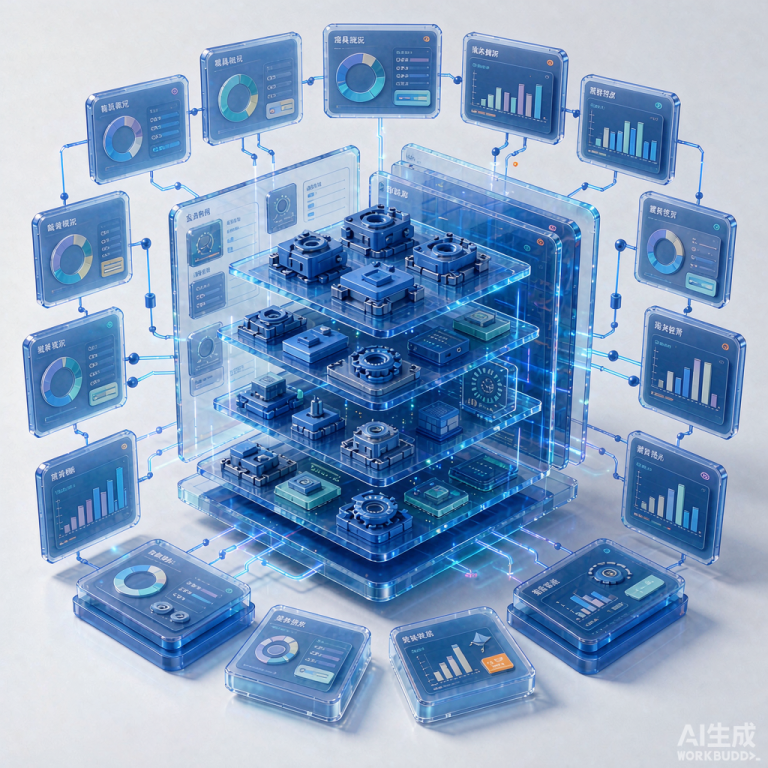
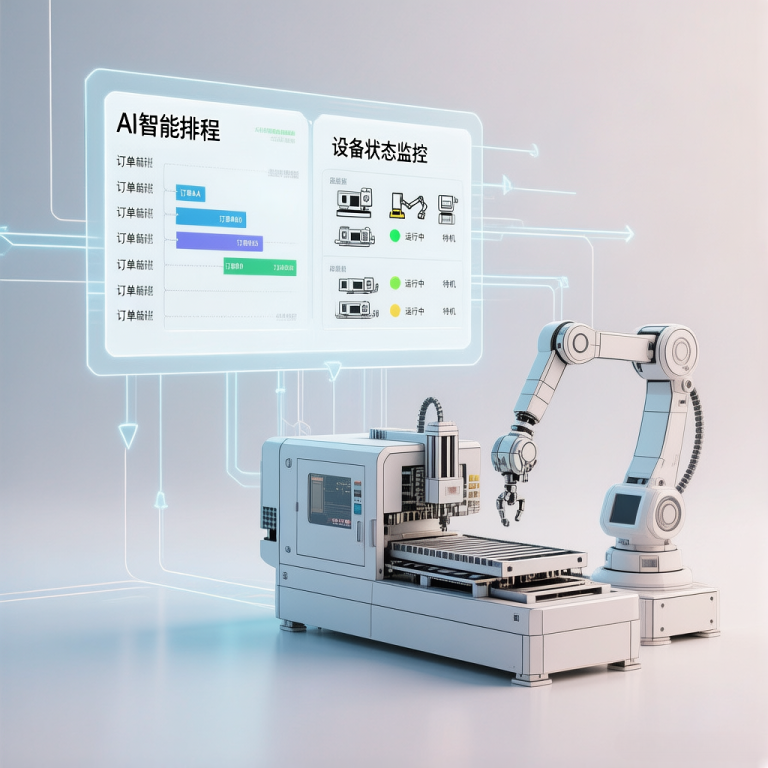
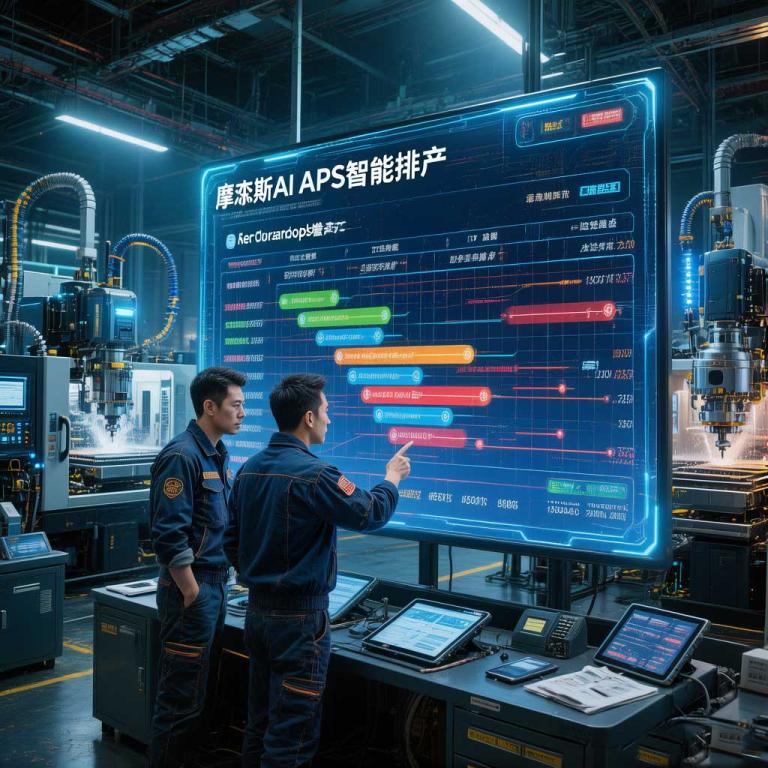
A: Dealing with small-batch, multi-product manufacturing is a common challenge. Moges' "Flexible Production Engine" is designed specifically to address this. The system intelligently sorts orders based on multiple dimensions, including equipment capacity, worker skills, delivery urgency, and material availability, while considering various constraints to automatically generate the optimal production plan. In practice, the system can intelligently merge similar orders to reduce changeovers, reducing average changeover time by 30%. It can also dynamically adjust production rhythms to balance equipment loads and avoid bottlenecks, and respond in real-time to new order requests, automatically assessing the impact and providing adjustment recommendations. More importantly, the system provides a visual production dashboard, allowing planners to manually adjust production plans by simply dragging and dropping. A precision parts factory in Suzhou saw a significant improvement: overall equipment effectiveness (OEE) increased from 58% to 80%, and on-time delivery rate increased from 75% to 95%, resulting in a 35% increase in per-worker output. If you are struggling with the challenges of small-batch, multi-product production, Moges' Flexible Production Engine will provide a significant breakthrough.
Q: What is the difference between low-code platforms and your AI development?
A: Low-code platforms are mostly H5 wrappers that lag when opened and cannot be listed on app stores. We use fully automated AI development of native Android code, which is stable in performance, highly compatible, fully meets everyday needs, and costs less.