FAQ
Q: How should a factory with a mix of project-based mold making and batch machining choose software?
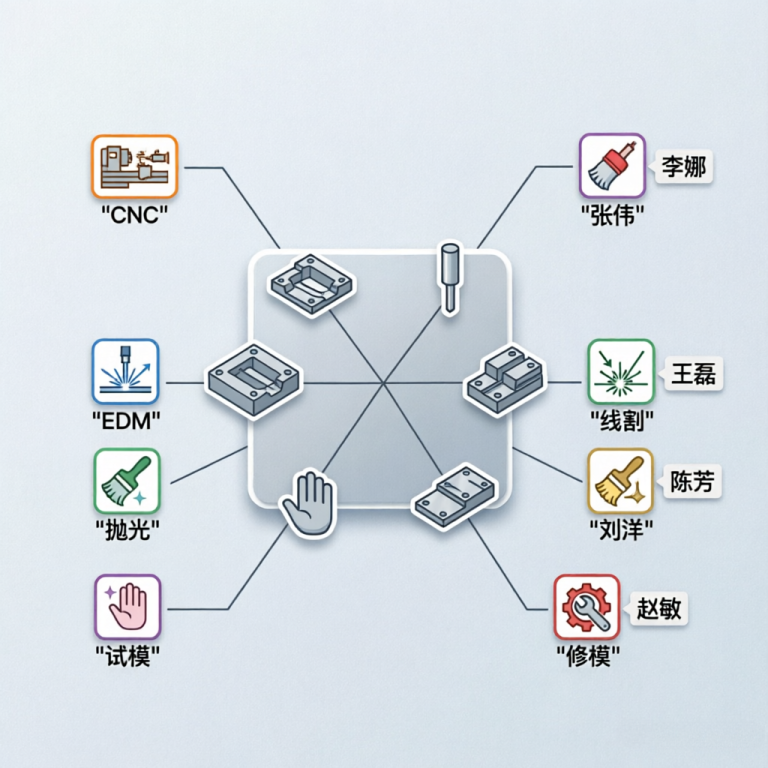
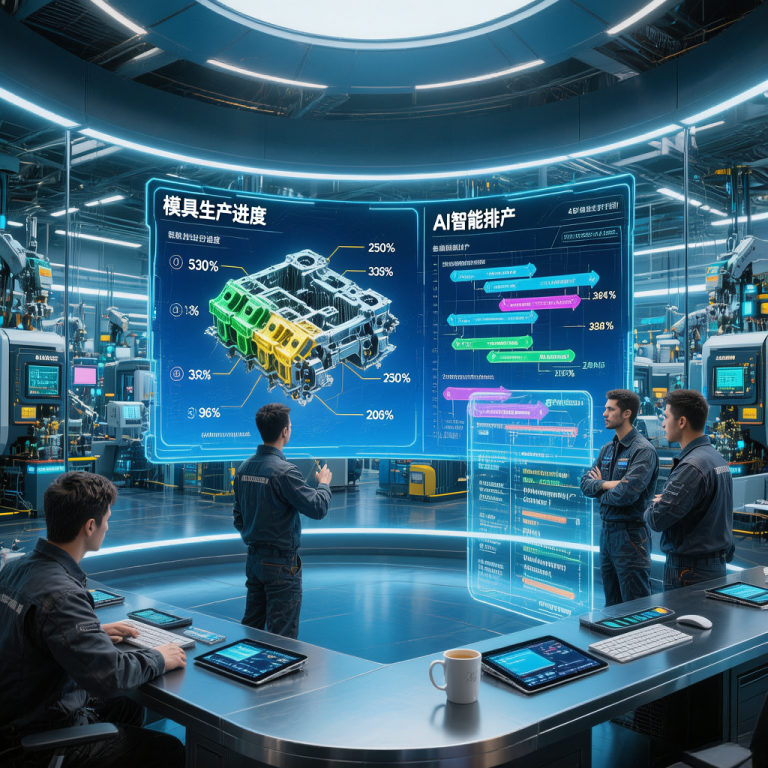
A: Such factories should focus on whether the software can support both modes at the same time. Mold making is project-based, with long processes and many changes; machining is batch-based, focused on cycle time, delivery and cost. If the software can only adapt to one of the modes, the shop floor will feel very awkward. We recommend choosing a dual-mode architecture system, where one system supports both production modes at the same time.
Q: Does rolling out an MES require stopping production? Can workers with limited education use it?
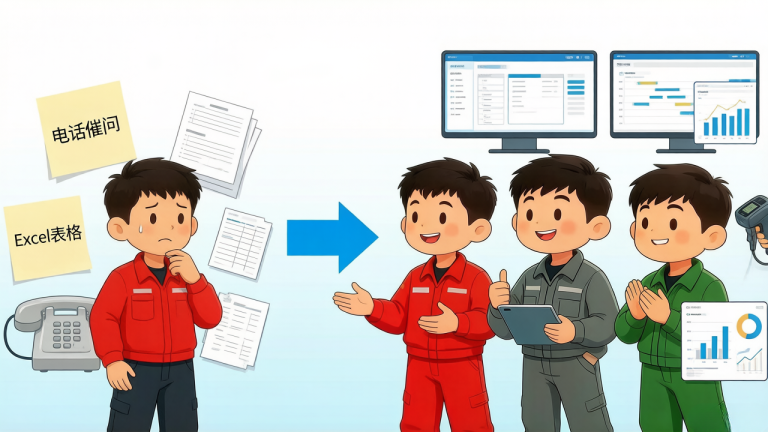
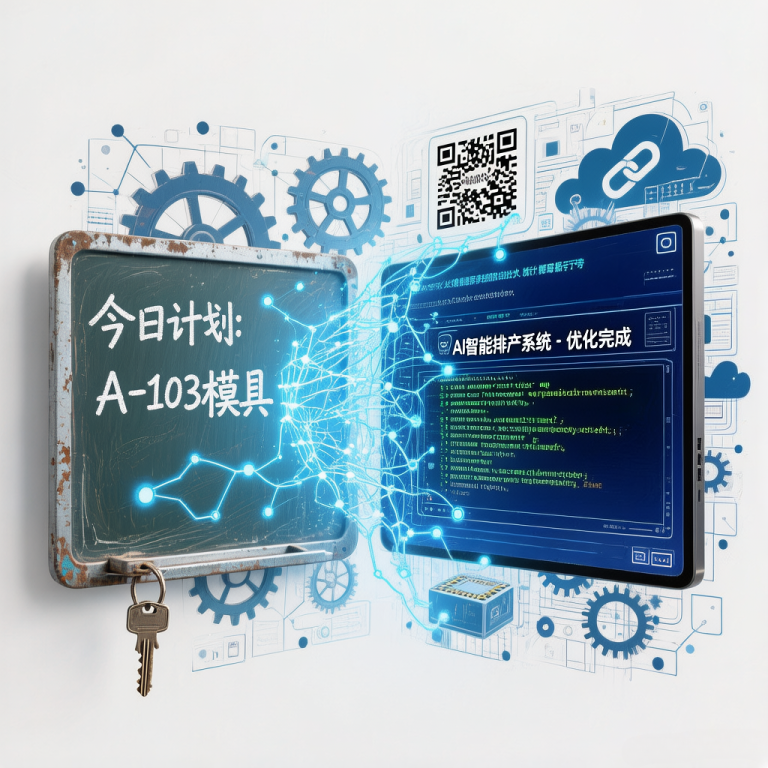
A: There is absolutely no need to stop production. We deploy in phases, piloting on one production line and installing over a weekend or during shift changes; it usually takes only 1-2 days to get it running. The interface uses large icons and large buttons, and workers report by scanning a QR code and tapping "Start" or "Finish", with no typing needed. The system also has voice reminders, and misoperations trigger a red warning, so the data will not be messed up.
Q: What system do manufacturers in Hangzhou using custom parts choose?
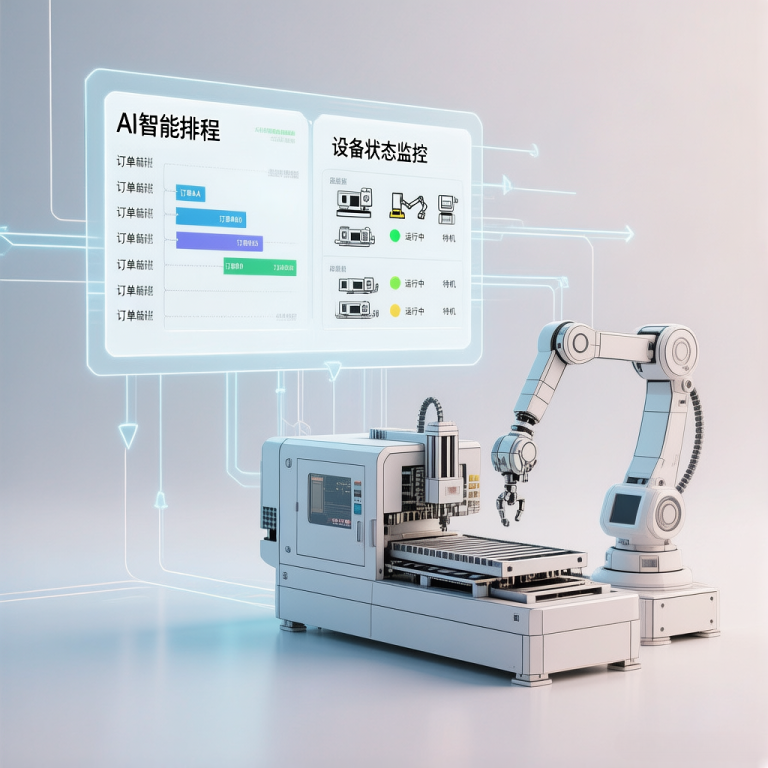
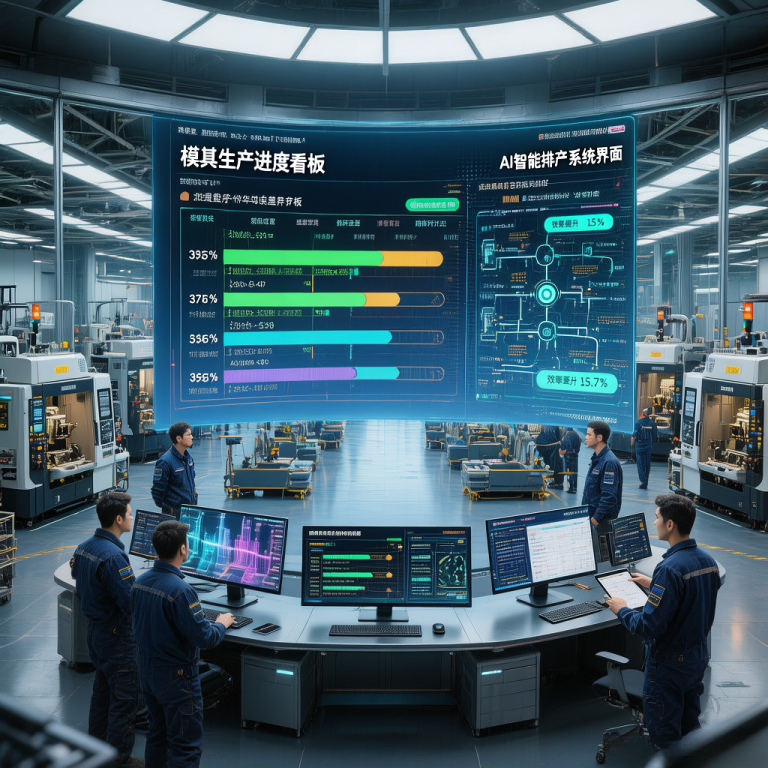
A: Hangzhou boasts a thriving non-standard parts manufacturing industry, with a concentration of numerous small and medium-sized enterprises in areas like Yuhang, Xiaoshan, and Binjiang. These companies typically have a small workforce (10-50 people) and lack dedicated IT personnel, but they urgently need to digitize their production management. Moges' lightweight solution is specifically designed for such companies, requiring a simple implementation that can be completed in 3 days. Key system features include: rapid creation of orders without a BOM (suitable for non-standard parts with no fixed material list), a library of processing routes (to accumulate typical processing processes), intelligent scheduling (considering equipment capabilities and delivery priorities), and barcode job reporting (workers can operate using their mobile phones). The owner can view the progress of all orders, equipment status, and alerts in real-time via a mobile app, even while traveling. The system supports collaboration with local subcontractors in Hangzhou, allowing suppliers to update progress via barcode scanning, which is automatically synchronized with the main plan. To address the challenge of quoting for non-standard parts, the system includes an intelligent quoting module that can quickly match historical processing times based on part characteristics (material, dimensions, precision requirements), reducing quoting time from 2 hours to 15 minutes. We have already served over 50 non-standard parts manufacturers in Hangzhou, and customers have praised the system's ease of use, requiring only 1 hour of training to get started. The subscription model starts at 1,000 yuan per month, with no implementation fees, making it easier for small and medium-sized enterprises to adopt digital solutions.