- Moges
- 2026-10-19
The Days the Veteran Master Took Leave, and the Work Never Stopped
Who is the person a plant can least do without? Ask ten small-plant owners, and eight will give the same answer: the veteran master who has been there...


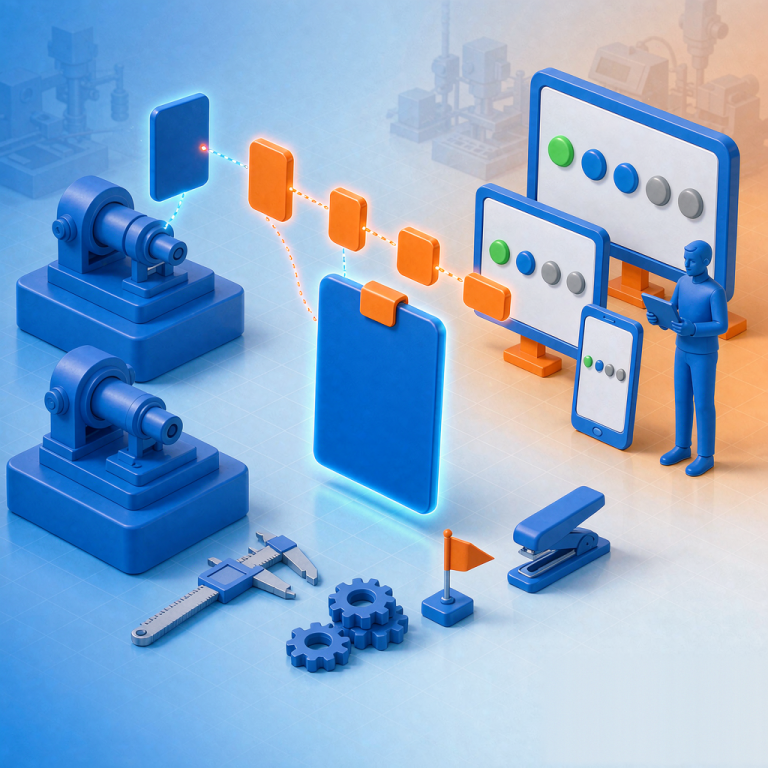
Who is the person a plant can least do without? Ask ten small-plant owners, and eight will give the same answer: the veteran master who has been there...
In the production shop of a non-standard automation equipment plant, what troubles the plant manager most is often not a technical problem, but progre...
The salesperson at a mold shop dreads one question above all: "How much for this part?" Quote too slowly and the customer walks to another supplier. Q...

A machining shop in Kunshan that makes precision parts: the boss heard two digital transformation presentations at an industry exchange meeting, came ...

Mold shop owners in the Yangtze River Delta have grown increasingly anxious over the past two years. Orders keep coming and output value keeps rising,...
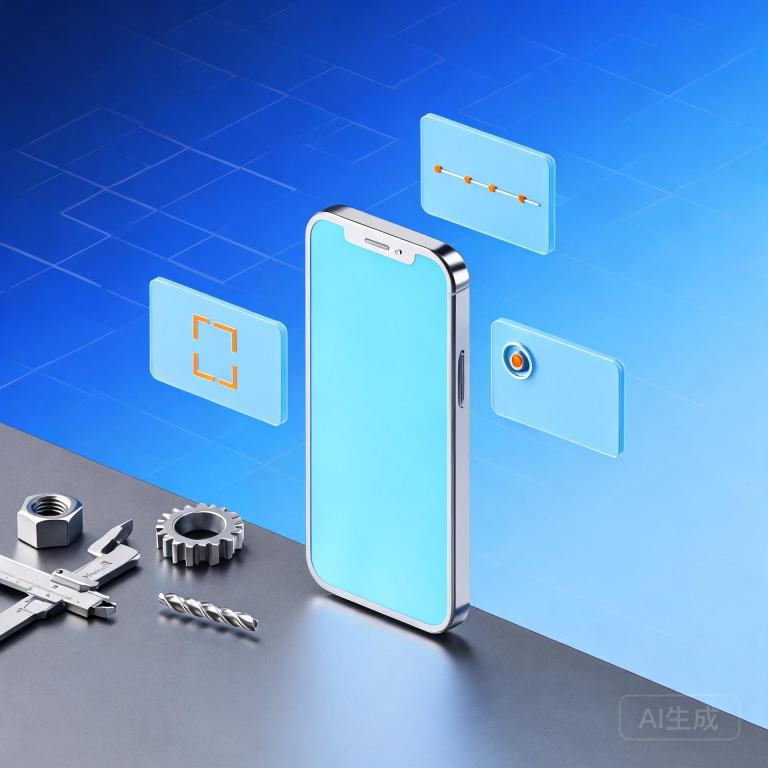
It is already common for mold shop owners and workshop supervisors to have a few production management APPs on their phones. Checking workshop progres...
Lao He has been choosing software lately, and the process has worn him out. His plant has about thirty people and does precision part machining. The o...
Every owner of a custom automation business has probably lived this scene: five machines under assembly in the shop at once, each one's progress burie...
When a machining shop wants a management system, one question is unavoidable in selection: SaaS cloud version, or on-premise deployment? Many small an...
A custom automation equipment project runs through a dozen-plus stages from customer sign-off to equipment shipment: solution design, BOM breakdown, m...

When a server goes down, what breaks people is never "having no backup" — it's "having backed up, only to discover at recovery time that the backup is...

There is a certain kind of order that many owners have seen before — they just dare not take it. A customer comes knocking: "This batch is urgent, can...

Q: How does the AI assistant help shop floor workers get up to speed quickly?
A: The AI assistant uses natural language interaction. Workers can ask about order progress, production status, and other information in everyday language without memorizing complex steps. Onboarding time for new employees is cut by 80%, truly achieving zero-barrier use.
Q: How long is the payback period for the remote maintenance platform?
A: Based on actual case data, small and medium mold factories usually recover the investment in 3-6 months. Taking 12 machines as an example, downtime losses fall by RMB 40,000-50,000 per month, extended equipment life saves RMB 20,000-30,000 in repair costs, and a 10% increase in equipment utilization adds capacity, for a combined annual benefit of RMB 500,000-800,000 and a return on investment above 300%.
Q: Why should loose-part inventory management start by separating states, and which states should be separated?
A: Loose-part inventory is chaotic largely because everything is simply called "inventory", while loose parts should at least be split into six states: awaiting machining (material arrived, work not started), in process (at a certain operation), awaiting inspection (machined but not confirmed), accepted (available for assembly), rework (stored separately) and at a subcontractor (not in the plant but still to be managed). Once the states are clear, planning and scheduling and assembly material picking will not be held up by a casual "it should be there".


