FAQ
Q: Our machining orders are all small batch and high variety, and delivery dates change often. Can scheduling software really handle it?
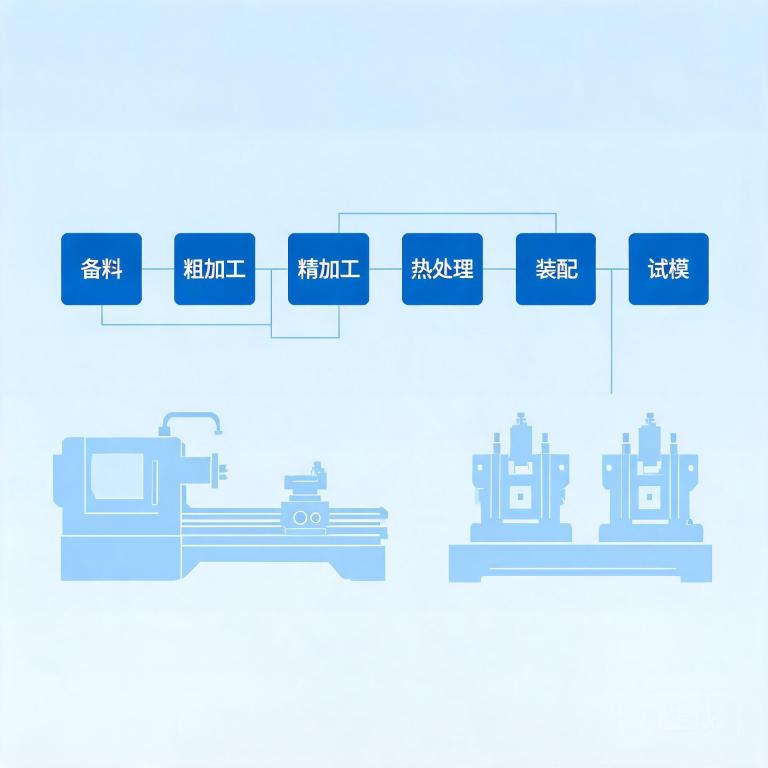
A: Small batch and high variety is exactly where dragging things around by hand in Excel fails, because when a delivery date changes, dozens of downstream processes have to change with it. Whether the software can handle it depends mainly on whether your process routes, equipment capabilities, and work-hour standards have a basic basis. Do not aim for 100% automation from the start; first get order priorities clear, equipment load transparent, and key processes never missed, and you will already cut a lot of disputes and rework.
Q: Will an app be too complex for a small mold factory with a dozen or so people?
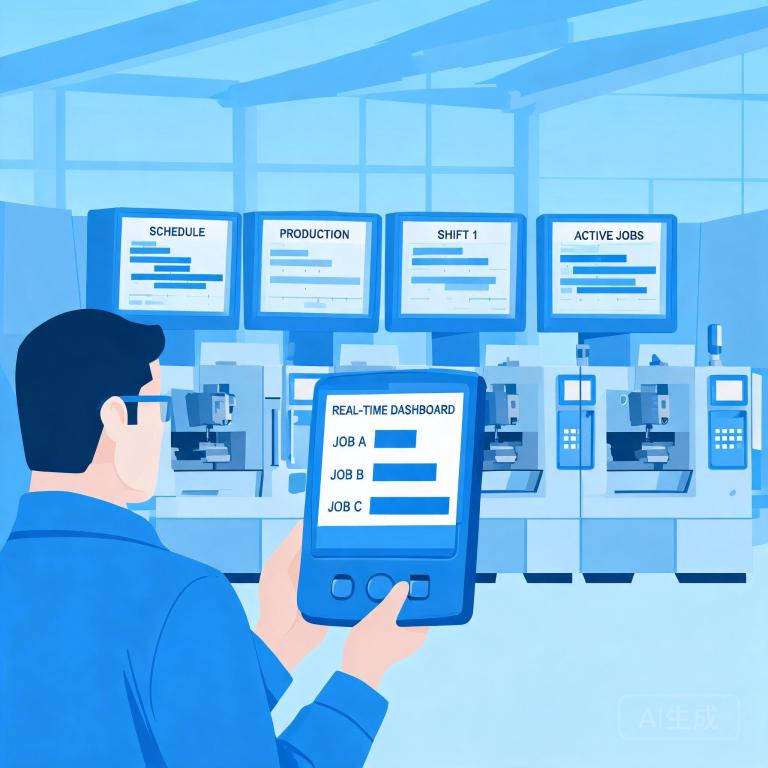
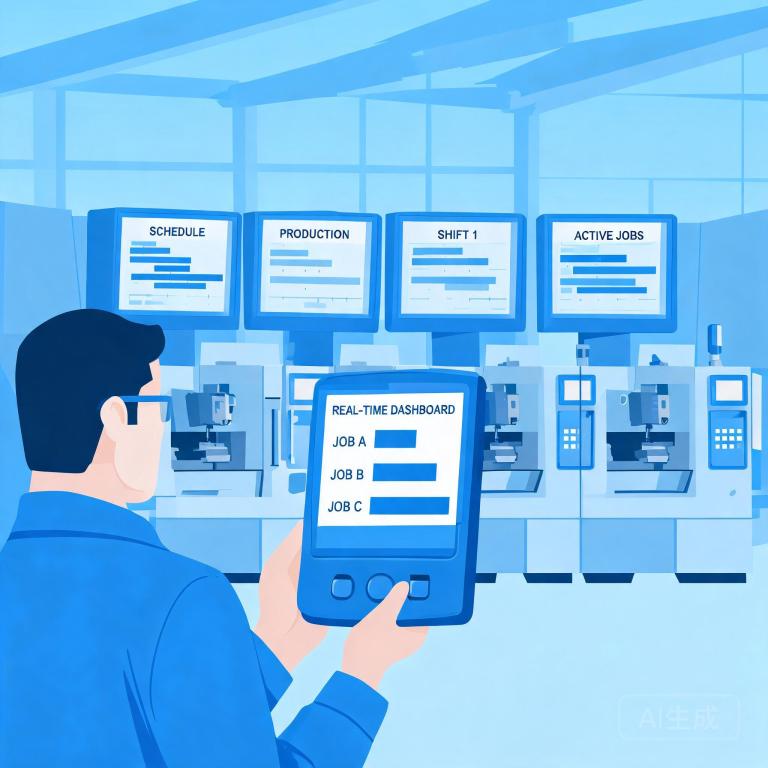
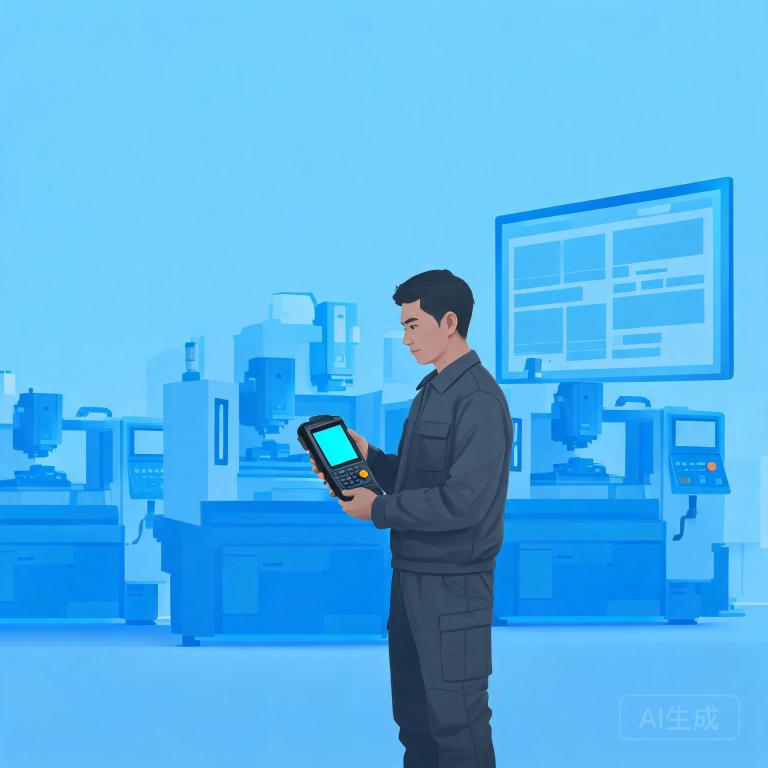
A: Small factories actually need systematic management even more. A small scale means the boss needs real-time visibility of production status even more, avoiding information delays caused by asking around verbally. It is advisable to start with core functions: work order management, progress tracking, exception records, and outsourcing follow-up. Choose a system with simple operations, let team leaders use it first, and shop floor staff only need to complete simple actions such as scanning to report work.
Q: Which AI agent development approach should an enterprise choose?
A: Choose according to your needs: 1) single-scenario agent (solves a single pain point such as customer service or a knowledge base, live in 1 day, cost of a few thousand yuan); 2) workflow automation agent (handles repetitive work such as report compilation and data synchronization, delivered in 1 week, efficiency improved 5-10 times); 3) multi-agent collaboration system (complex business with multiple AIs dividing the work, implemented in phases).