- Moges
- 2026-10-16
How to Straighten Out Chaotic Scheduling and Dispatching?
Lao Jiang's factory has twenty-eight people; the shop is not big, so voices must be. Every morning, assigning work relies on one shout — who runs whic...



Lao Jiang's factory has twenty-eight people; the shop is not big, so voices must be. Every morning, assigning work relies on one shout — who runs whic...
Owners of non-standard automation equipment businesses are almost all stuck on the same problem: as the factory grows from a dozen people to fifty or ...
1. The Traditional Pain of Mold Factory Quoting Mold quoting is the first gate before taking orders, and many factories burn enormous energy here. The...

There is one sentence owners taking orders say several times a week: "Hold on, let me ask the shop." After that sentence, the other end of the line us...
Non-standard automation equipment manufacturing has one trait: projects never repeat — every machine is a customized exam paper. From customer require...
In the mold processing industry in the Yangtze River Delta region, the vast majority of factories, with annual output values ranging from several mill...

Lao Gong runs a precision parts factory of twenty-odd people in Taicang, specializing in small-batch non-standard parts. The best craftsman in the fac...
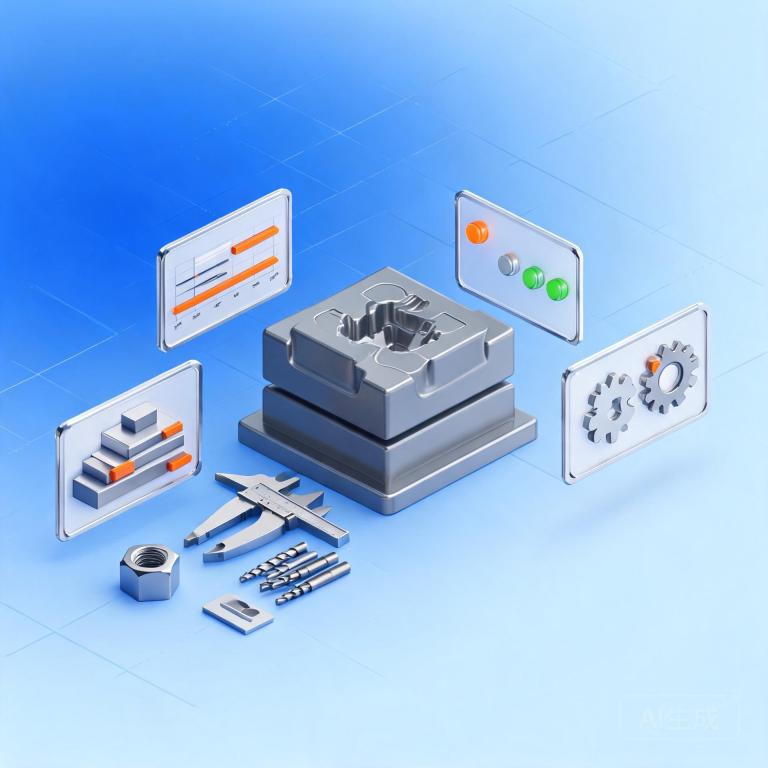
The daily operations of a mold factory are riddled with countless small problems. Orders come in one after another, yet the machines in the workshop r...
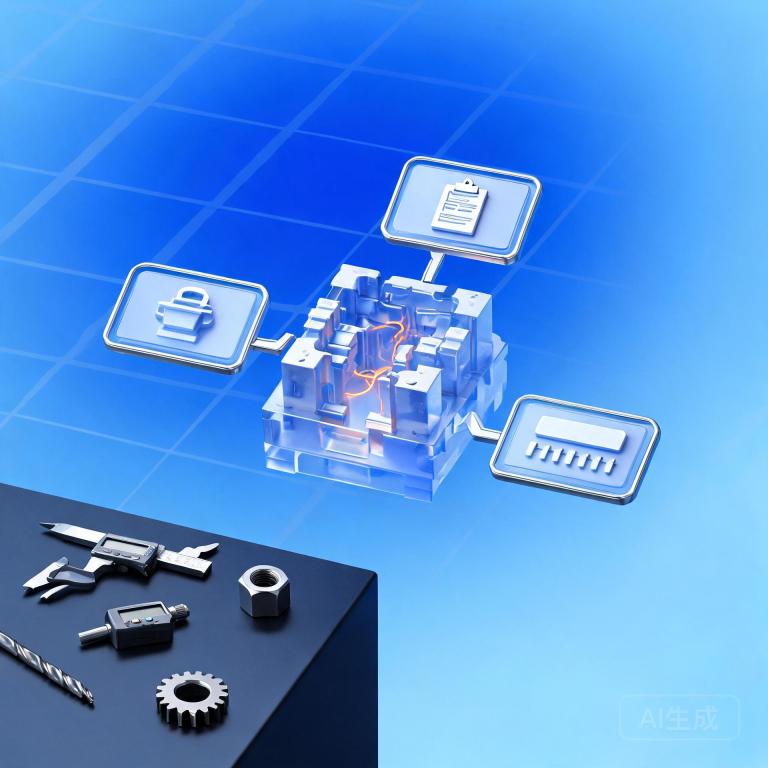
Molds returned by customers often leave the factory unable to tell which process went wrong — let alone tracing the specific steel batch, operator, or...
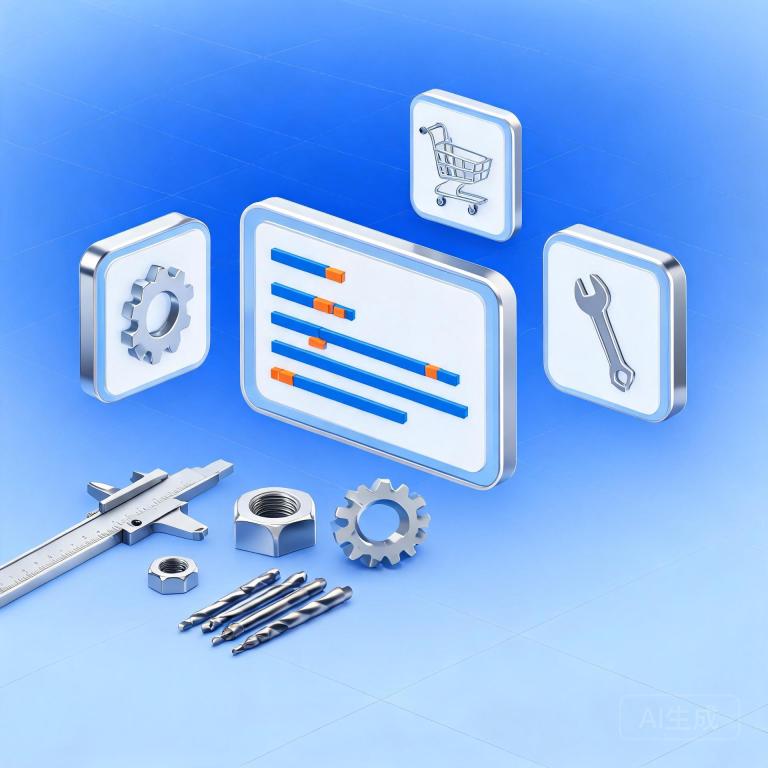
Anyone who has worked in custom automation equipment manufacturing knows how complicated it is. From contract signing to machine delivery, a project p...

The veteran team leader on the mold factory floor has been nagged by one thing lately: which batch of mold material three years ago had that 8% scrap ...
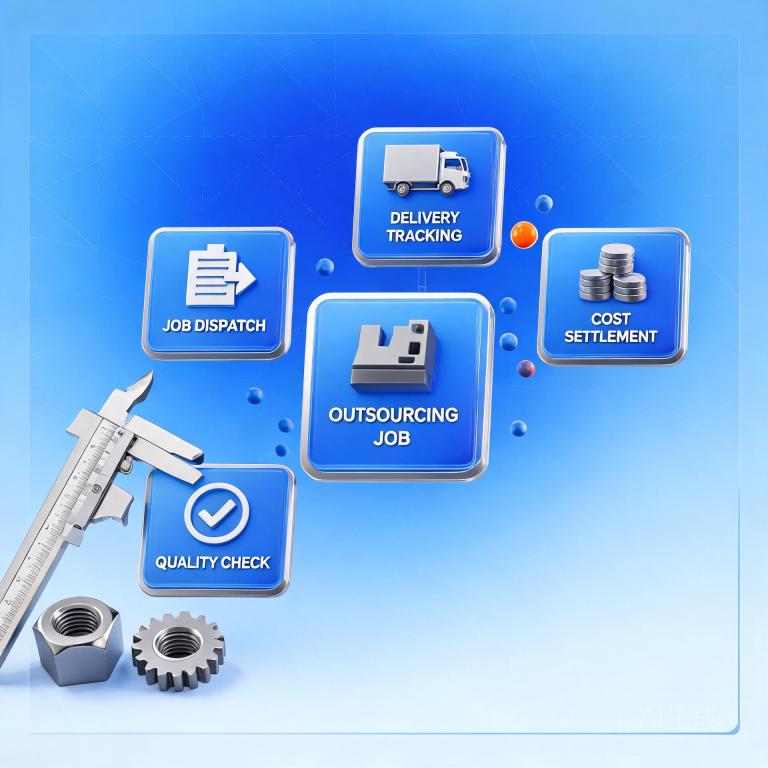
There's a universal phenomenon in the mold industry: your own machines are booked solid, so complex parts must go out. CNC precision machining, EDM, s...

Q: Customers keep inserting rush orders and the original production schedule is completely disrupted. Is there software that can calculate the impact of an inserted order clearly?
A: Yes, but the prerequisite is that process routes, equipment load, and work-in-progress status are clarified first. Inserting an order is not simply moving the rush order forward; you need to see which orders it pushes out, which delivery dates it affects, and which machine becomes the bottleneck. Good scheduling software should quickly show you who will be delayed after the insertion, by how long, and whether overtime or outsourcing is needed, so the boss can make the call instead of supervisors toughing it out on experience.
Q: We frequently machine parts wrong and have to rework them, and the back-and-forth pushes delivery out by several days. How can we shorten this through management?
A: Before starting work, organize design, machining and QC for a pre-production drawing review to align dimensional requirements in advance. Perform a first-article inspection for every process, and do not let nonconforming parts flow to the next process. Link the rework rate to team performance so that lead-time losses are reduced at the source.
Q: Does outsourced sheet metal processing management need a big all-in-one system?
A: No, it does not. For a small or medium sheet metal factory with annual output value of RMB 10,000,000 to 500,000,000, solve whatever hurts most first: if outsourcing is chaotic, manage outsourcing first; if costs are inaccurate, then tackle costs. There is no need to put every function live at once, since fixing the core outsourcing pain point alone delivers 80% of the benefit.


