FAQ
Q: What exactly is the difference between an AI agent and an ordinary chatbot?
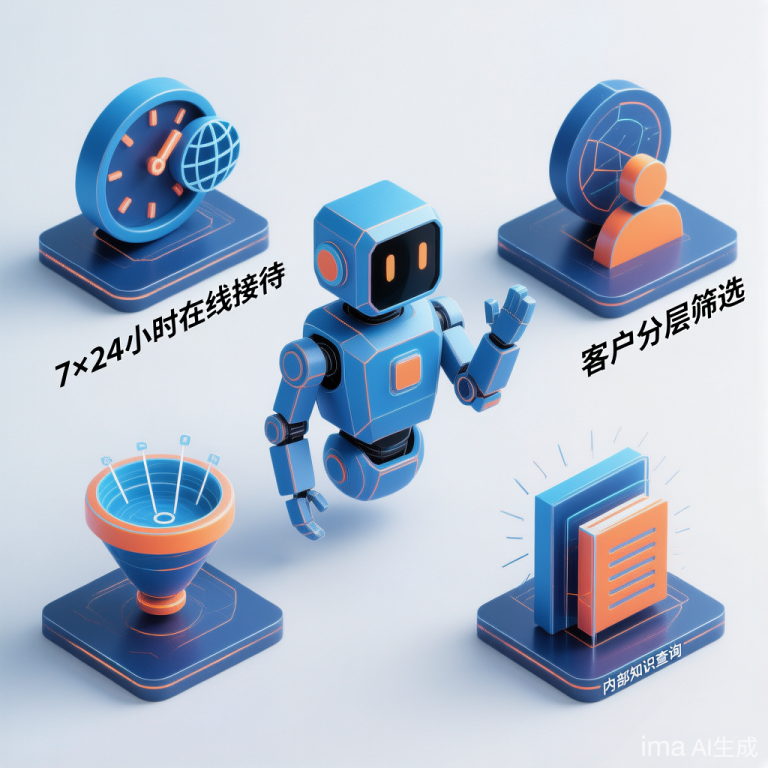
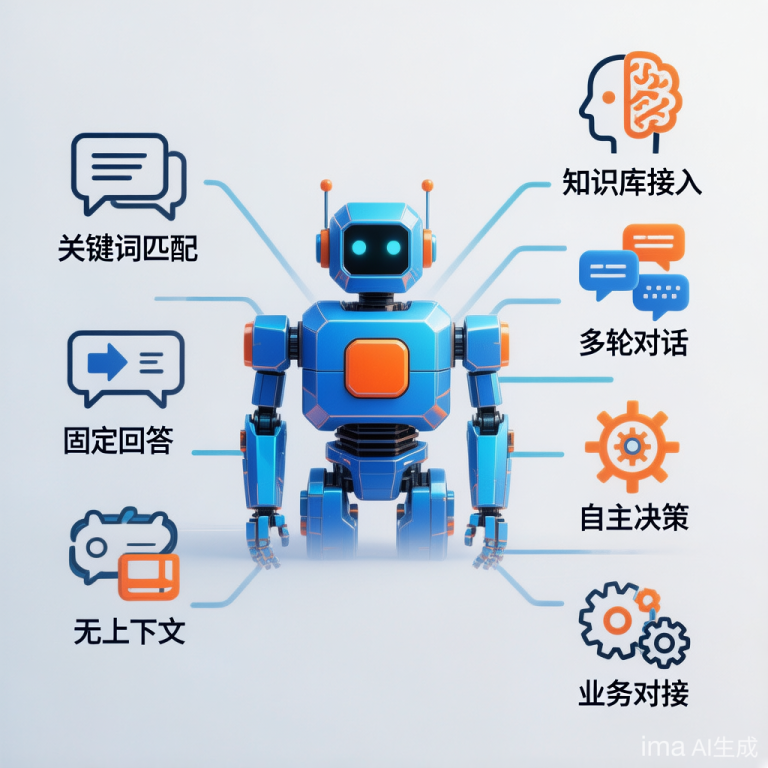
A: An ordinary chatbot only does "you ask, it answers" and is closer to a customer service script library; an agent for Kunshan companies can understand business goals and automatically call up documents, forms and processes to help you complete concrete tasks such as lead follow-up, customer inquiries and preliminary quotation screening. It can connect to the company knowledge base, link to existing tools, and execute actions according to business rules.
Q: What is the difference between an AI agent and a ChatGPT wrapper?
A: An AI agent is not a ChatGPT wrapper at all. It requires RAG engine adaptation, vector database optimization and business process integration, so that it can precisely match your business knowledge base and connect to your existing systems. A wrapper product only changes the interface and is simply unusable.
Q: How can a machining factory implement quality traceability?
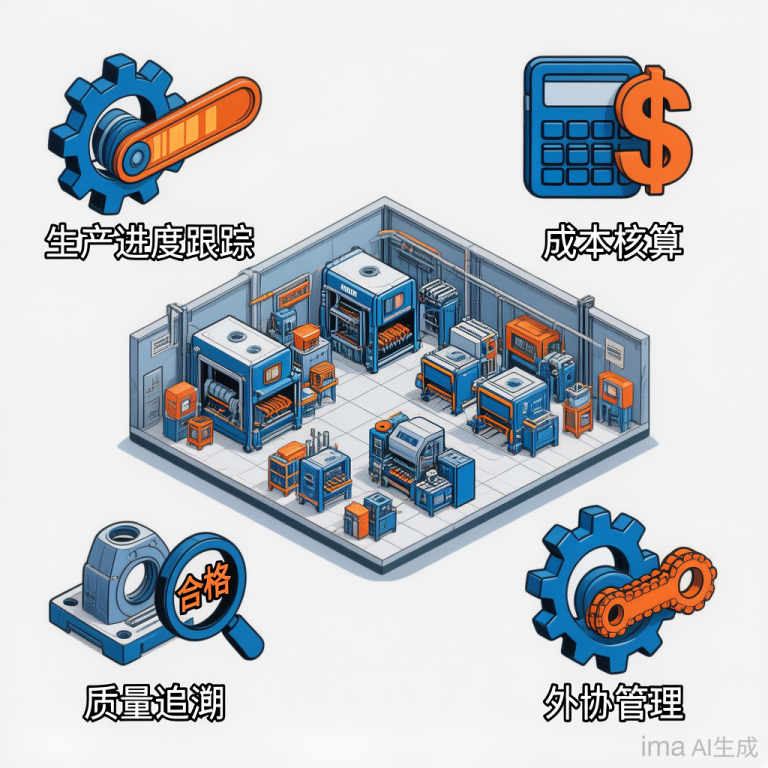
A: The Moges Quality Traceability System builds a complete quality control loop for machining factories. The system generates a unique traceability code for each order, covering the entire lifecycle from raw material receipt to finished product shipment. The traceability code links key quality elements, including raw material batch information, supplier qualifications, machining equipment parameters, operator records, process routes, and inspection data. When quality issues arise, simply scan the traceability code to pinpoint the root cause within 30 seconds, whether it's a defect in the raw materials, a deviation in machining parameters, or an operator error. The system supports both forward traceability (from raw materials to finished products) and reverse traceability (from finished products to raw materials), enabling rapid recall of problematic batches and reducing quality losses. Furthermore, traceability data automatically generates quality analysis reports, identifying quality trends and weak points, providing data support for continuous improvement. Customer complaint resolution efficiency is increased by 80%, and the rate of repeated quality issues is reduced by 65%, significantly improving the company's quality management level and customer trust.