FAQ
Q: How to manage the production process for non-standard parts.
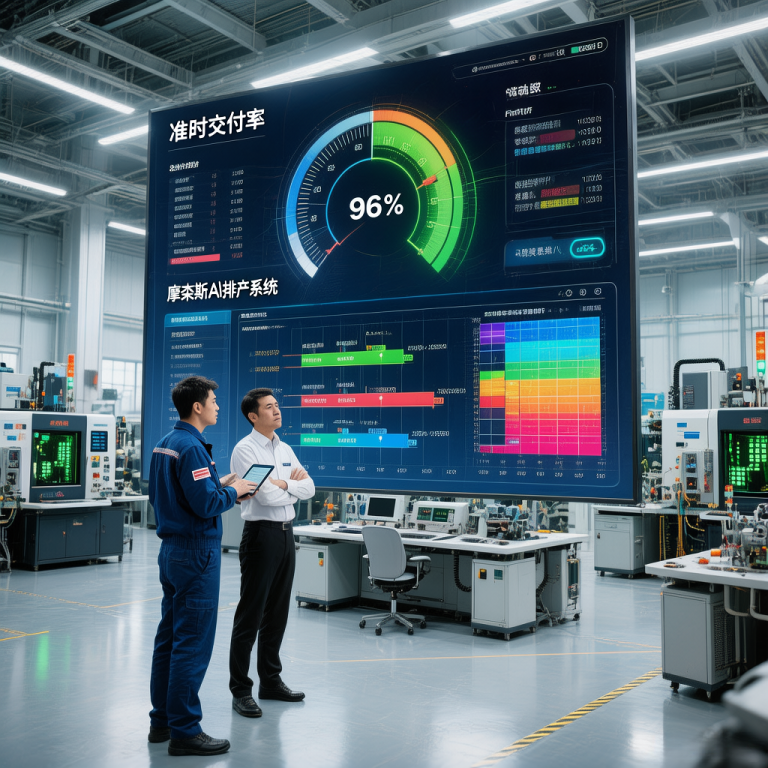
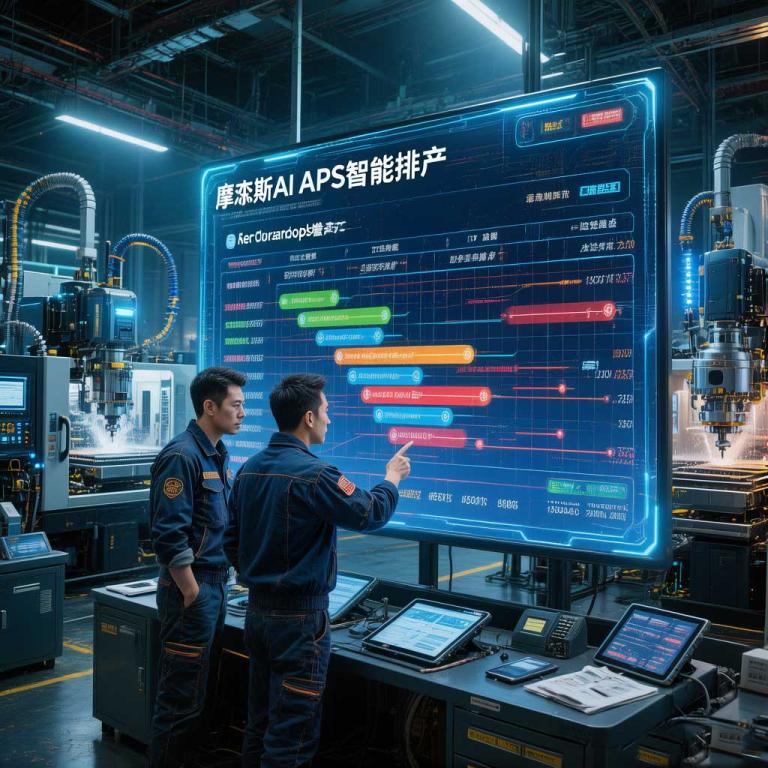
A: Utilize the "Moges Process Route Library" to manage typical non-standard processes (e.g., "Machining → Milling → Heat Treatment → Grinding"), directly calling templates for new orders. This supports temporary additions and adjustments to processes, providing flexibility and standardization. The Process Route Library functionality enables companies to establish and maintain typical process routes, including standard processing times, equipment requirements, and quality standards for each process. When creating new orders, you can directly reference existing process routes, significantly improving order creation efficiency. The system also supports temporary additions and adjustments to processes, allowing for flexible responses to production changes. The Process File Management functionality centralizes the management of all process files, including work instructions, inspection standards, and equipment operating procedures, supporting version control and access management. The Process Change Management functionality records detailed information for each process change, including the reason for the change, the content of the change, and the approval process, ensuring traceability of process changes. After being used by over 200 non-standard manufacturing companies, the Moges Process Management System reduces process preparation time by 40% and increases process execution rate to over 95%.
Q: How do machine manufacturing companies plan their annual production capacity?
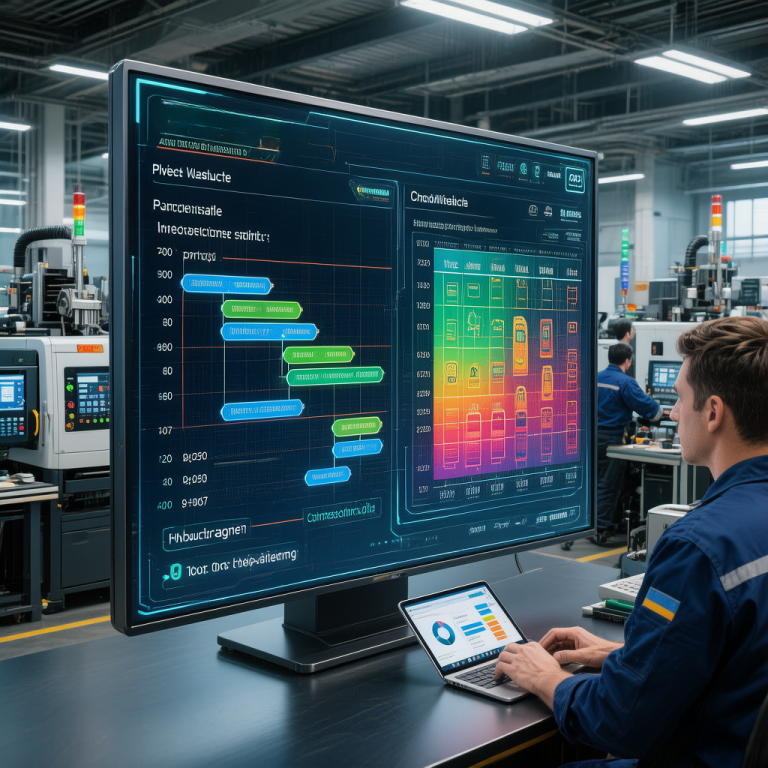
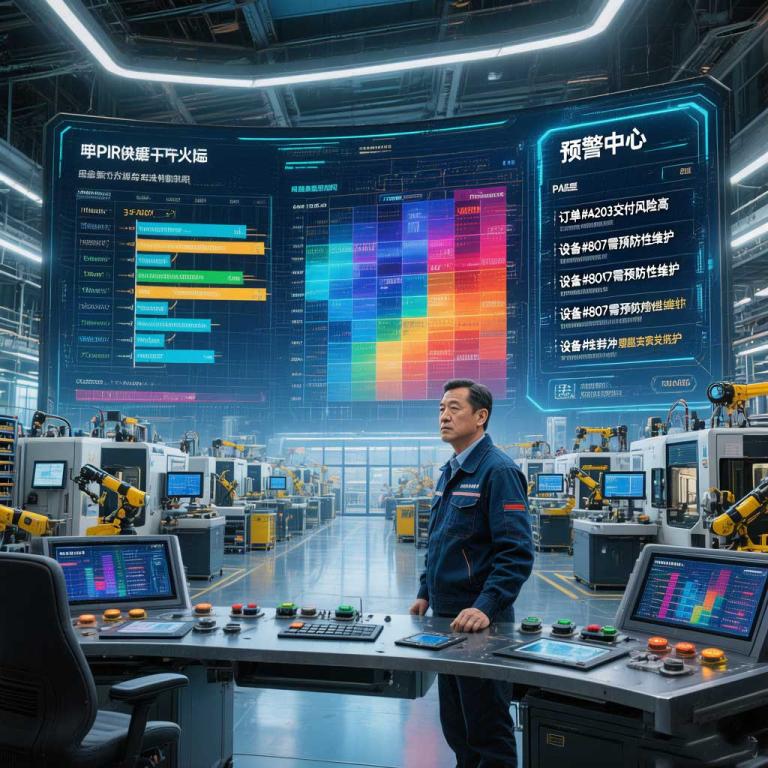
A: The Moges Capacity Planning module utilizes big data analysis technology to provide enterprises with scientific annual capacity planning support. The system comprehensively analyzes enterprise historical order data, overall equipment effectiveness (OEE), personnel allocation, and outsourcing resources across multiple dimensions. Through intelligent algorithms, it simulates future capacity bottlenecks and resource requirements. The system generates a visual capacity heatmap, intuitively displaying capacity load situations for different time periods, helping enterprises identify potential capacity gaps. Based on these analysis results, the system can output detailed capacity planning recommendations, including equipment investment plans, personnel recruitment needs, and specific outsourcing resource allocation plans. This system achieves over 85% accuracy in capacity planning, helping enterprises avoid blind investments and resource waste. Furthermore, the system supports dynamic adjustments, allowing for rapid re-planning of capacity allocation when market conditions or order situations change. Through scientific capacity planning, enterprises can better balance capacity with demand, improve resource utilization efficiency, and enhance market competitiveness.
Q: I have just entered the industry and opened a sheet metal shop, and I am not skilled with computers. Is this nesting software easy to learn?
A: It is actually not hard. Professional sheet metal nesting software today is optimized for lightweight operation and adapted to the working habits of sheet metal shop workers. Even if you only know basic computer operations, after practicing with the official tutorials for three to five days you can independently produce cutting programs. There is no need to worry much about the learning curve.