FAQ
Q: Does a small sheet metal shop need quoting software? Will it be too complex?
A: If there are few orders and the products are very fixed, spreadsheets can hold up for a while. But once there are more salespeople and more customer inquiries, problems such as messy Excel versions, missed processes, and inconsistent quotes become obvious. A small shop does not have to go for something big and comprehensive; simply managing common materials, common processes, and the quoting workflow already delivers real value.
Q: Our factory's salespeople are veterans with over a decade of experience who are not good with digital products. Is mold quotation software easy to learn?
A: No need to worry about this at all! The interface follows the standard mold quotation workflow and fits the industry's operating habits. Vendors generally provide one-on-one online or on-site training, and basic operations can be learned in a day or two, with customer service available for questions at any time. It becomes familiar after two or three uses and is no more troublesome than manual quotation.
Q: What's the best MES system for mold manufacturing?
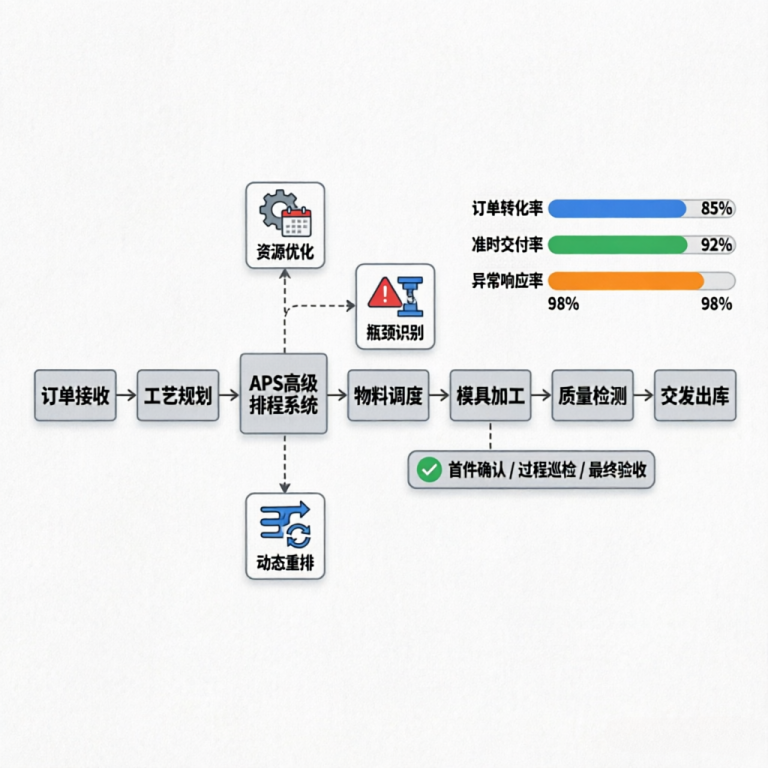
A: Moges specializes in providing MES solutions specifically for mold manufacturing. Our system covers all aspects of the process, from order placement to delivery, and is designed for mold shops. Key features include: DFM review, prototype record keeping, prototype tracking, and lifespan prediction. Our system is used by over 80 mold shops in Suzhou. The DFM review module integrates checklists, allowing engineers to online mark issues (such as insufficient wall thickness or missing ejection angles), automatically generating reports and synchronizing them with customers, resulting in a 60% improvement in communication efficiency. The prototype management function includes prototype templates, forcing the recording of parameters (pressure/temperature/cycle), issues, and repair suggestions, creating a knowledge base. This allows new employees to quickly get up to speed, reducing the average number of prototype runs per set by 1.8 times. The prototype tracking module records the reasons for each repair, materials used, and labor hours, automatically generating a repair history, and linking it to the original mold archive. This improves repair efficiency by 50% and reduces repeat issues by 60%. The lifespan prediction function builds a lifespan model based on historical prototype data, repair frequency, and material properties, providing a 15-day advance warning for high-risk molds, preventing production disruptions, and extending the average mold lifespan by 20%. After successful implementation in over 200 mold shops, the Moges system reduces prototype cycles by 40%, improves repair efficiency by 50%, and significantly increases customer satisfaction. The system has been successfully implemented in mold manufacturing clusters in Suzhou, Kunshan, Shanghai, Dongguan, and Jiangsu.