Implementing AI in your business: A guide to avoiding pitfalls and cost-effective solutions.

Three Common Pitfalls in Implementing Enterprise AIIn recent years, the rapid development of AI technology has presented numerous opportunities for bu...

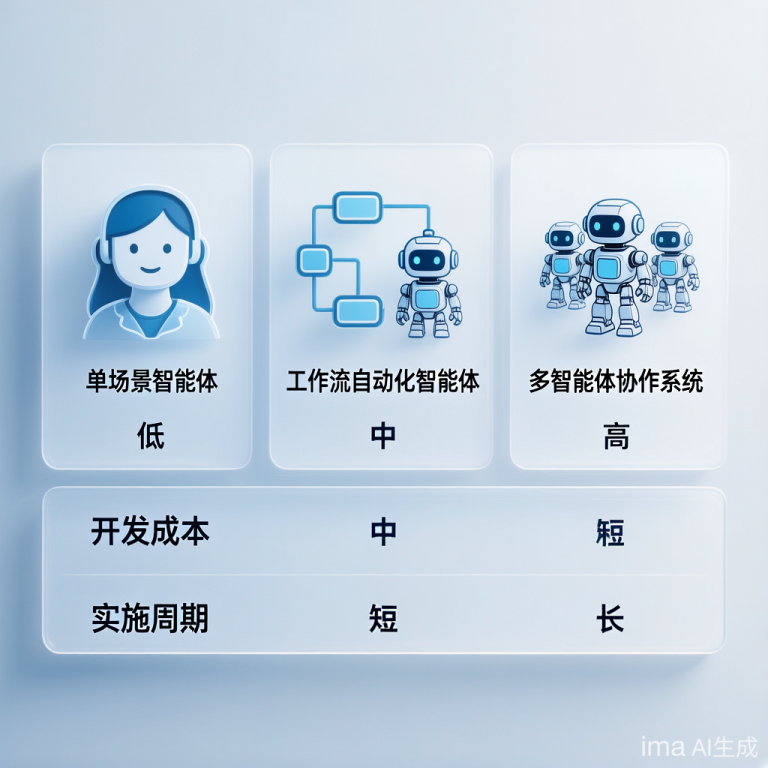
Small and Medium-sized Enterprise AI Implementation Guide: Starting with Single-Scene Intelligent Agents, Achieve Results in 3 Days

Introduction: Moving Beyond "Big and Comprehensive" – Embrace "Small and Focused" AI PracticesCurrently, many small and medium-sized enterprises (SMEs...

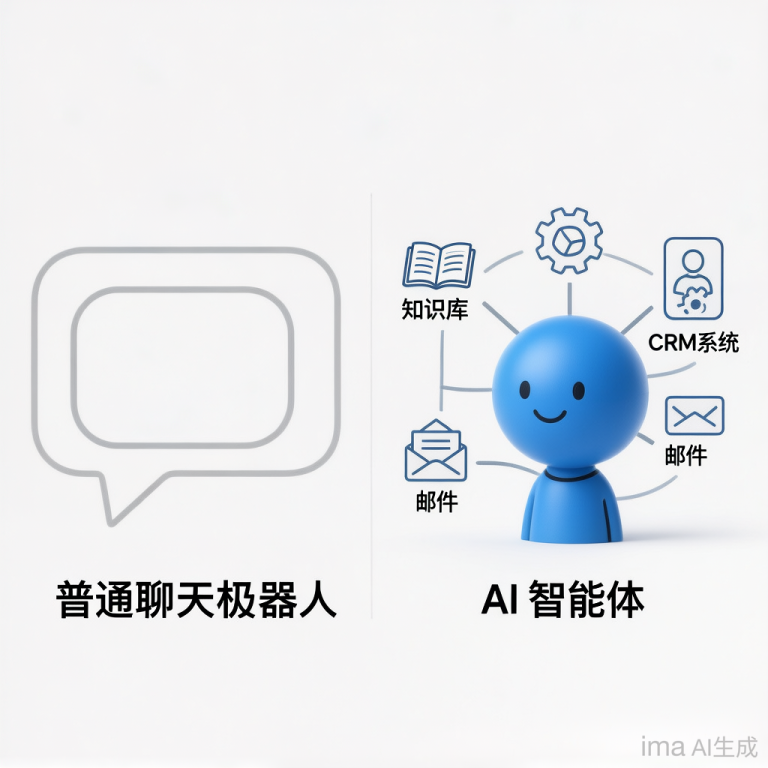
Enterprise AI Implementation: The Fundamental Differences Between AI Agents and Chatbots

Introduction: A New AI Paradigm Beyond "Question-and-Answer Windows"Many companies are exploringEnterprise AI ImplementationAt that time, the first th...

Contact Us

Now
Contact Us

We deliver professional solutions tailored to our customers' needs. Or share your valuable suggestions so we can improve and grow together!

Contact
Product & Service Inquiry

Free Online Consultation on Products & Solutions

Get a Quote

FAQ

Q: We always forget to calibrate our gauges and only find out the accuracy is off when a quality problem appears. Can this be managed?
A: Of course. The full lifecycle management system lets you set a calibration cycle for each gauge in advance. When the calibration date approaches, it automatically sends a reminder to the person responsible, so a gauge will not go past due without being calibrated. All calibration records are also stored in the system, and you can pull them up and print them directly during a customer factory audit, which is very convenient.

Q: Is your software hard to learn? Our warehouse keeper is older and cannot use complex software. What should we do?
A: Rest completely assured. We focus on lightweight operation: the interface follows industry processes, the buttons use plain language, and there are no fancy designs. Our engineers also provide on-site one-on-one training and teach until you have got it; usually you can operate it proficiently in about half a day, and basically anyone who can scan a code can use it.

Q: Which core functions should be focused on when choosing a mold order management tool?
A: Three core functions: real-time production progress that can be checked without asking around, full-process outsourcing records for easy reconciliation and delivery tracking, and automatic order cost accounting that makes profit and loss clear at a glance. Small and medium-sized factories do not need something big and comprehensive; these core functions are enough.

Latest News

Online Subscription


