- Moges
- 2026-11-03
Should a Twenty-Person Machining Factory Adopt MES or Not
This question has been asked too many times; the asker already holds an answer in mind and just wants someone to confirm it. I generally do not give a...



This question has been asked too many times; the asker already holds an answer in mind and just wants someone to confirm it. I generally do not give a...

I. Composition of the Product System Moges' current external product system consists of one foundation product line and three products with distinct p...

"Equipment utilization," "machine operating rate" — these terms make a simple thing sound mystical: what a machining shop really wants to know comes d...

A machine going down does not cause the biggest loss by itself — the biggest loss is that production planning does not know about it: a job is schedul...

Every factory knows that equipment maintenance matters, and every factory forgets it — not the maintenance itself, but the fact that "this machine is ...

For most small factories, the equipment ledger starts life as an Excel sheet: equipment name, when it was bought, where it sits — and nothing more. Th...
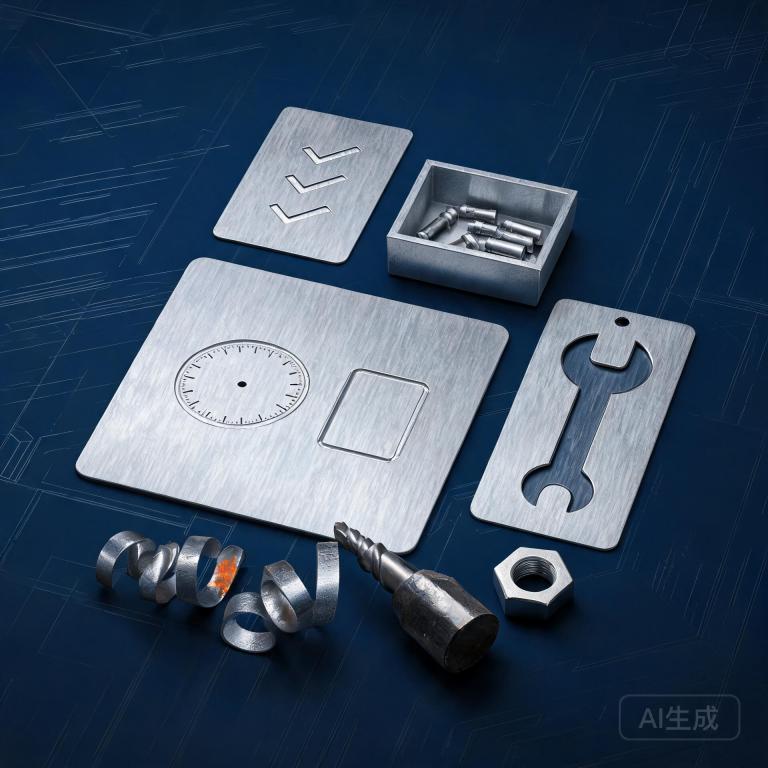
Non-standard automation equipment comes in many types and scattered states. From CNC machining centers to assembly fixtures and inspection equipment, ...
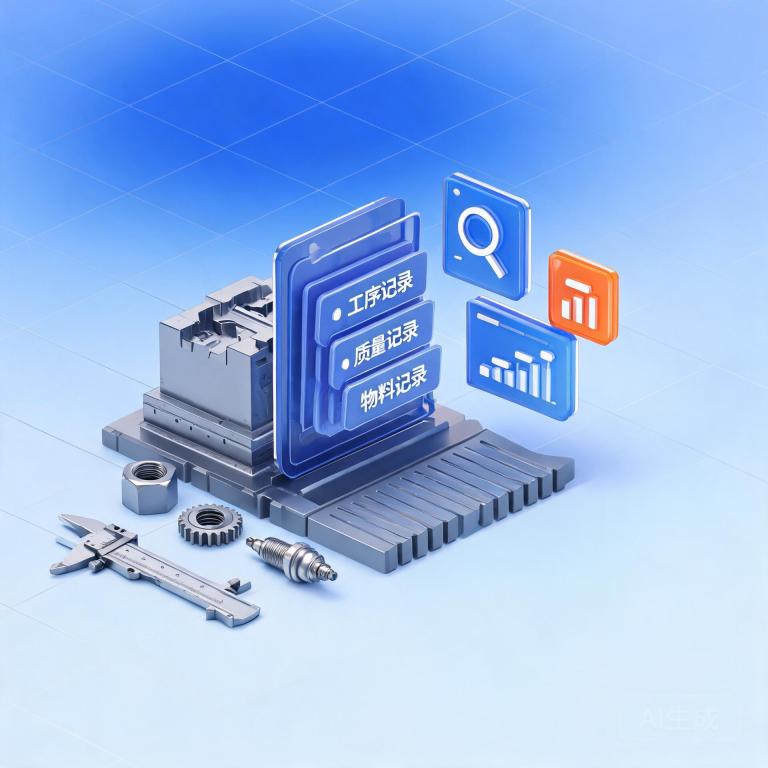
The veteran team leader on the mold factory floor has been nagged by one thing lately: which batch of mold material three years ago had that 8% scrap ...
I. How Long Does a Mold MES Implementation Really Take? Here's a Concrete Range First When mold factory owners consider adopting MES, the first thing ...

Many factories wanting a private knowledge base open with "which software to install, which large model to use". We usually respond with a counter-que...
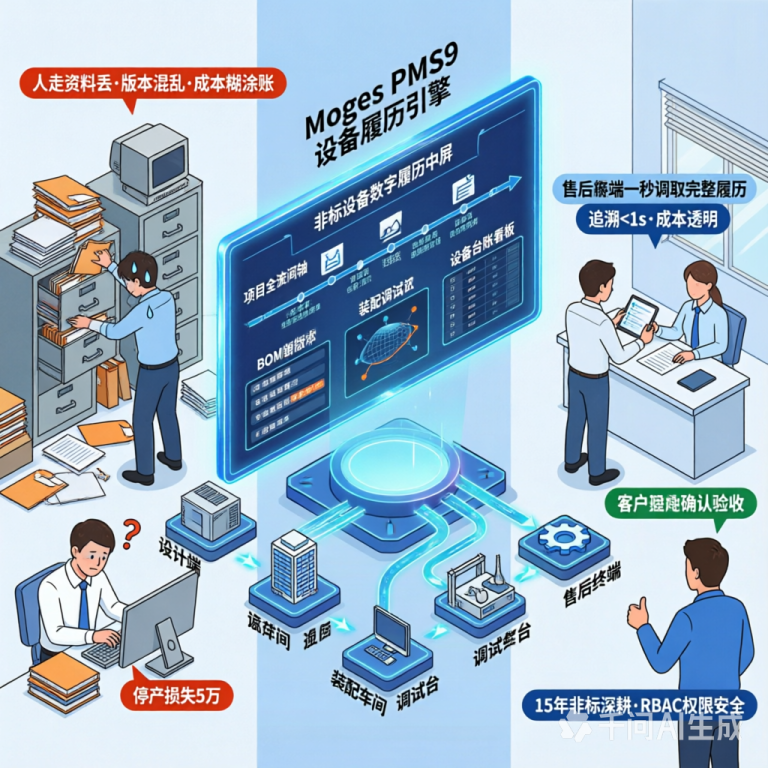
Preface: A Designer Leaves and the Records Disappear? The Fatal Pain Point of Non-Standard After-Sales Last month I had tea with the owner of a non-st...
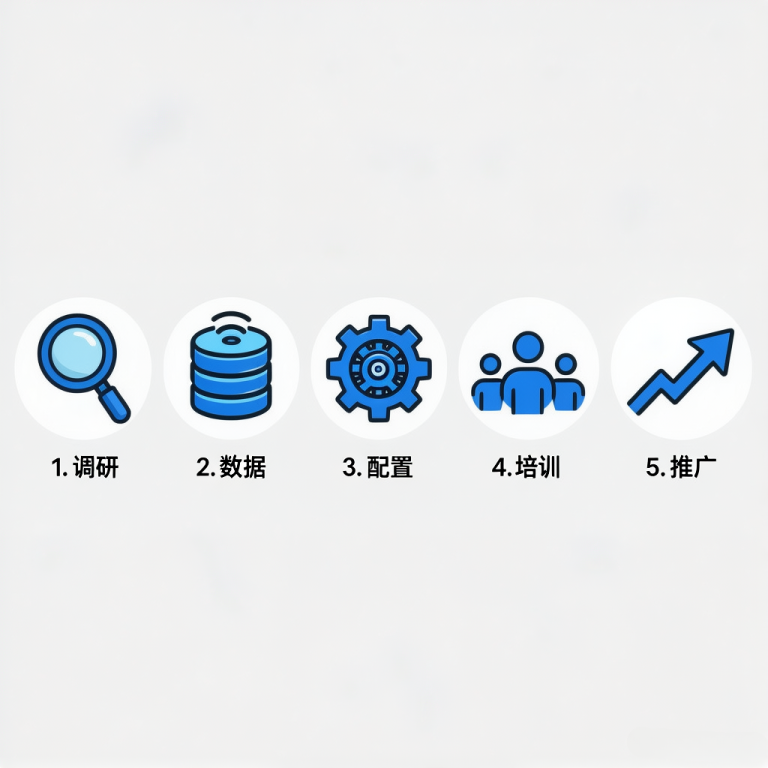
Introduction: Embrace Digitalization and Open a New Chapter in Mold ManufacturingAs the global manufacturing industry accelerates its wave of transfor...

Q: Outsourced parts are where problems most easily arise. How should a control process be set up?
A: Managing outsourced parts means watching four key points: how much was sent out (the drawing number, quantity, process and supplier must be clear), when it is due back (you cannot wait until assembly is short of parts to notice), how much came back and how much passed (receipts must match inspection results), and how differences are handled (shortages, rework and scrap must all be recorded). The value of full-process subcontracting management is that the plant knows "though the items are not on site, they are still under control", avoiding the pain of scrolling through chat logs at month-end reconciliation.
Q: Our company has few people and a limited budget. How can we use AI agents to cut costs and improve efficiency?
A: Start with one high-frequency, repetitive scenario with clear rules, such as customer service Q&A, sales lead screening or internal knowledge base lookup. Moges offers single-scenario agents from RMB 2999, delivered in 3 days, with a full refund if you are not satisfied. This keeps the cost of trial and error low and produces results quickly. Once the first scenario proves effective, expand gradually to other business areas.
Q: What is the actual profit margin for packaging molds? Why is it so difficult to make a profit?
A: Extremely thin. Taking a mid-sized packaging mold as an example, the price could be as low as RMB 80,000-120,000, while the combined cost of materials, processing, and labor could reach RMB 60,000-90,000, resulting in a gross profit of only RMB 20,000-30,000. If production efficiency is low, rework is frequent, and delivery is delayed, it is easy to incur losses.


