FAQ
Q: For Jiangsu sheet metal processing quoting software, can you just buy it and use it directly?
A: It is generally not advisable to apply templates directly from day one, because every factory's equipment, labor, loss, and outsourcing prices differ. In the early stage it is best to first organize your existing quoting rules, material prices, and process unit prices. Quoting systems like Moges usually also recommend configuring them to the company's own process standards first, then letting sales and technical staff run trial calculations on a few orders together.
Q: Does the job reporting app support offline use?
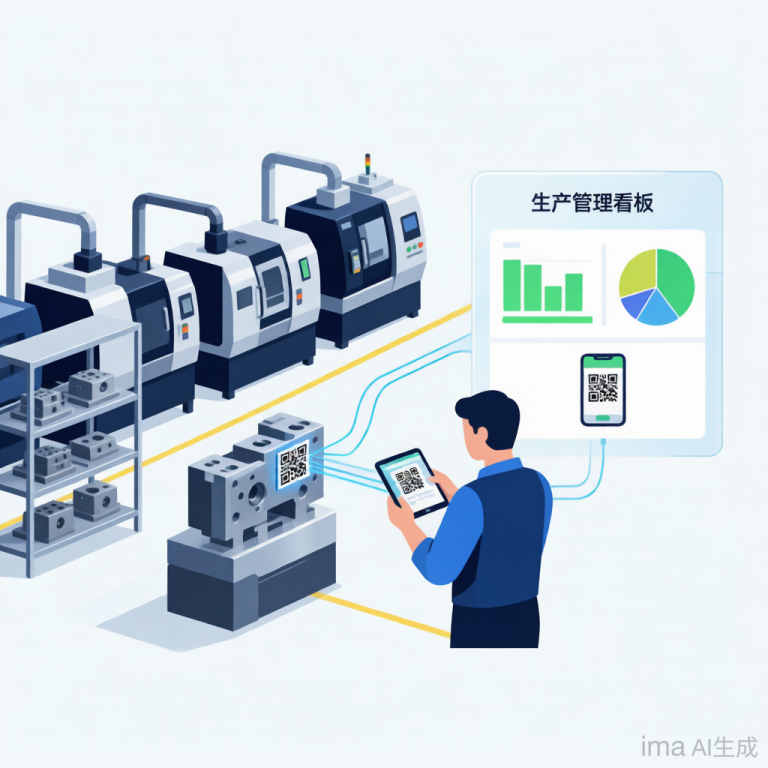
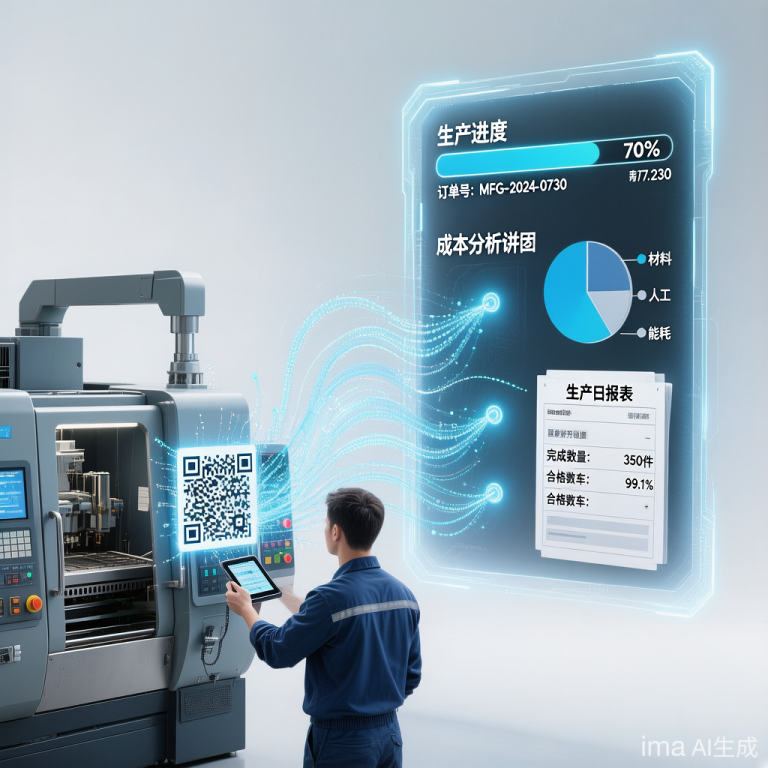
A: The Moges job reporting app is specifically designed for workshop environments with unstable network conditions. Even in environments with no network connectivity, workers can use the app to scan and report jobs normally. All job reporting data is temporarily stored on the local device. Once the network is restored, the system automatically synchronizes the offline data to the server, ensuring the integrity and accuracy of production data. This offline job reporting solution is particularly suitable for remote factory areas, underground workshops, or production environments with poor network coverage. The app interface is simple and intuitive, with the same operation flow as the online mode. Workers do not need to learn anything extra. The system also supports offline data conflict detection. When multiple devices operate on the same order offline simultaneously, the system will intelligently prompt and assist in resolving data conflicts. Through this offline job reporting solution, companies can ensure normal production data collection under any network conditions, without network issues affecting production progress statistics and management decisions.
Q: How should the cost of leftovers from laser cutting be calculated so we do not get it wrong and lose money?
A: Many factories simply treat leftovers as a loss for the current period, which is wrong. Leftovers themselves are raw material that was paid for. We suggest converting usable leftovers into value according to their remaining size, registering them in inventory separately, and amortizing that value into the corresponding order cost when they are used next time. Only then is order profit calculated accurately.