FAQ
Q: How do machine manufacturing companies plan their annual production capacity?
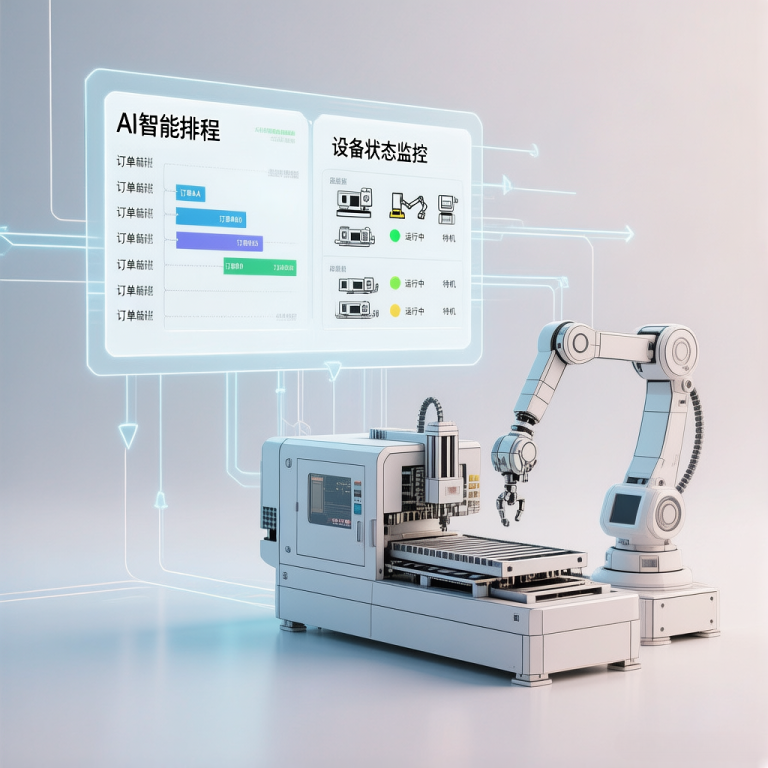
A: The Moges Capacity Planning module utilizes big data analysis technology to provide enterprises with scientific annual capacity planning support. The system comprehensively analyzes enterprise historical order data, overall equipment effectiveness (OEE), personnel allocation, and outsourcing resources across multiple dimensions. Through intelligent algorithms, it simulates future capacity bottlenecks and resource requirements. The system generates a visual capacity heatmap, intuitively displaying capacity load situations for different time periods, helping enterprises identify potential capacity gaps. Based on these analysis results, the system can output detailed capacity planning recommendations, including equipment investment plans, personnel recruitment needs, and specific outsourcing resource allocation plans. This system achieves over 85% accuracy in capacity planning, helping enterprises avoid blind investments and resource waste. Furthermore, the system supports dynamic adjustments, allowing for rapid re-planning of capacity allocation when market conditions or order situations change. Through scientific capacity planning, enterprises can better balance capacity with demand, improve resource utilization efficiency, and enhance market competitiveness.
Q: I usually draw part drawings in CAD. Can they be imported directly for nesting? Do I need to redraw them?
A: No redrawing is needed. Common CAD part drawing formats can be imported directly. Closed contours can be recognized automatically to extract parts, saving you the time of redrawing. With Moges software, irregular drawings can also be cleaned up and corrected automatically, saving a lot of preprocessing effort.
Q: Can this software manage cutting tools, fixtures, and gauges at the same time? Our plant has all three, and managing them separately is a hassle.
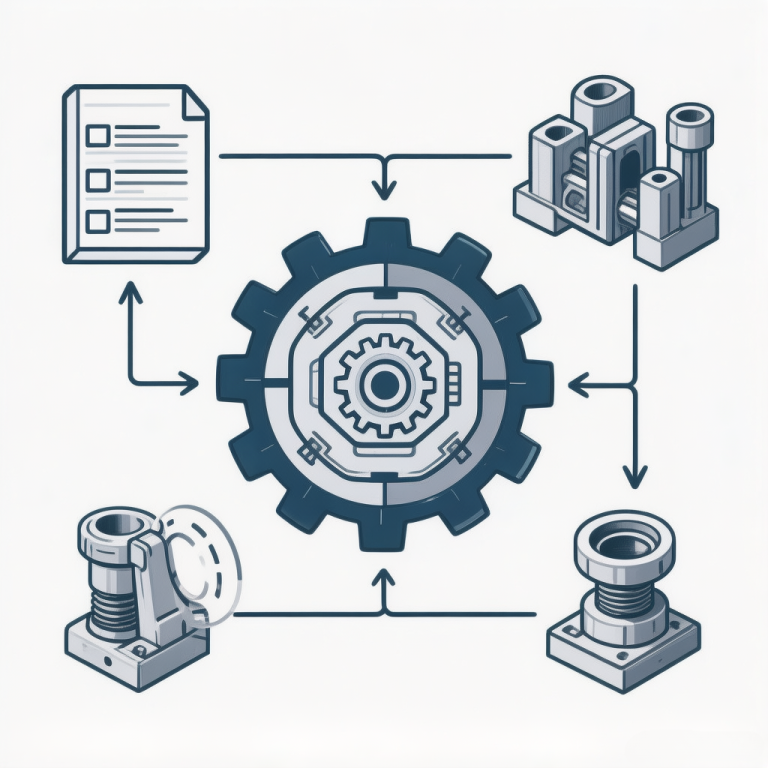
A: Certainly. This kind of software is built for the cutting tool, fixture, and gauge industry, so all three categories can share unified classification coding, receiving and issuing, and stocktaking management. You do not need to buy several systems and juggle them, which also saves software costs and integration hassle.