FAQ
Q: What exactly is the difference between an AI agent and an ordinary chatbot?
A: An ordinary chatbot mainly does "you ask, it answers" and can only answer questions; an AI agent is more like a digital employee that can understand goals, call tools, execute processes and keep following up on results. For example, after a customer service inquiry it can automatically classify it, record the requirement, push it to sales, generate follow-up scripts and even carry out the subsequent tasks automatically. Put simply, a chatbot answers passively while an AI agent acts proactively.
Q: Molds suddenly fail and blow up, stopping production without warning and delaying delivery. Can this be predicted in advance?
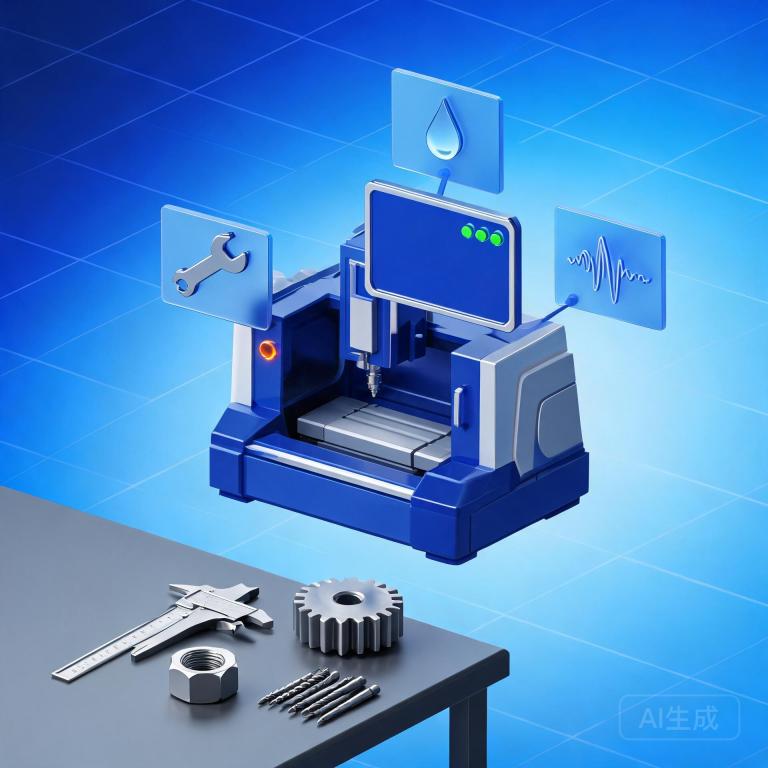
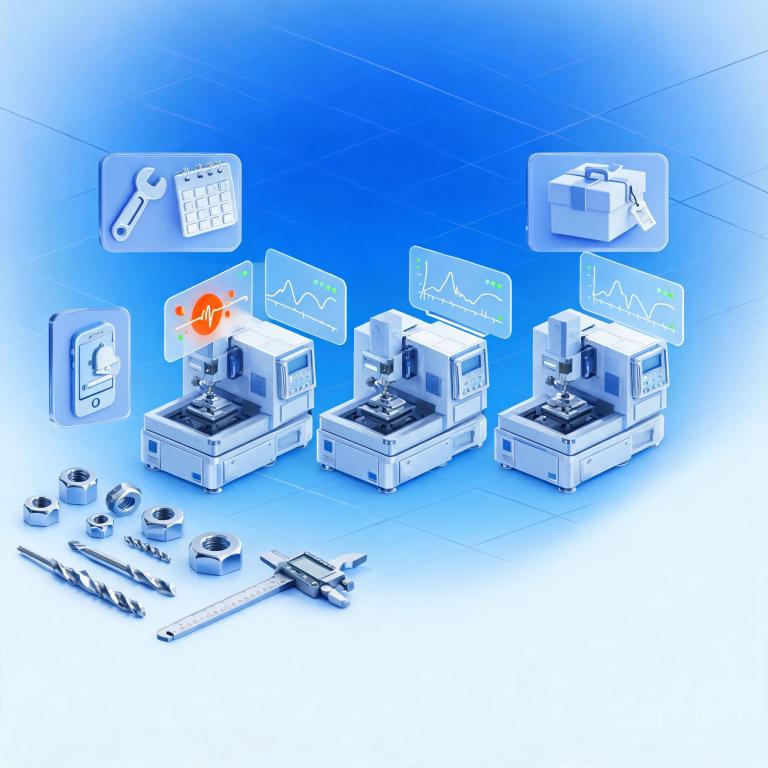
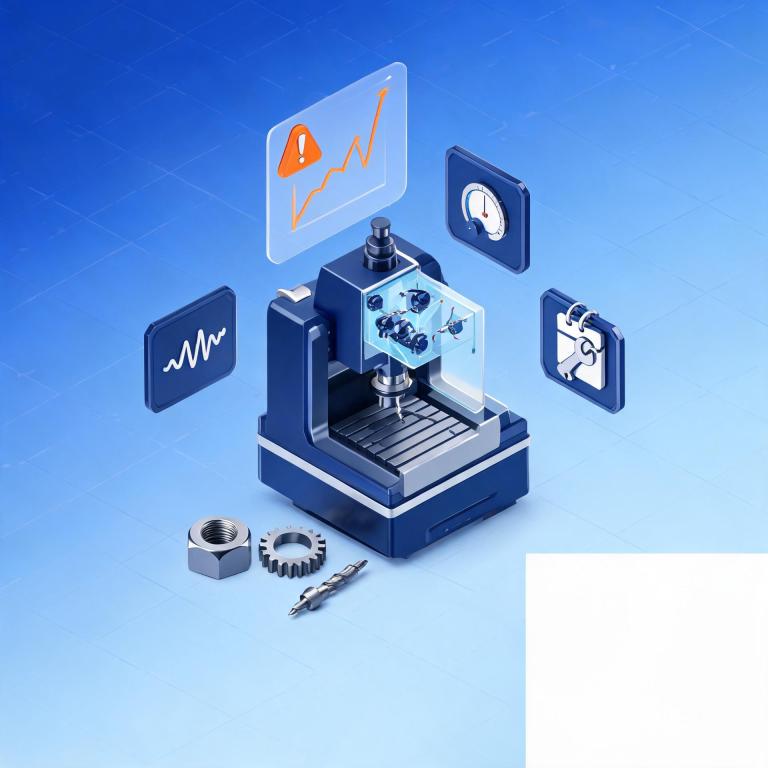
A: The worst thing in the mold industry is unplanned downtime. A mold failing while you are rushing an order means not only paying penalties but also damaging your reputation. Predictive maintenance software captures abnormal data on mold temperature, wear, and clamping force in real time and gives an early warning as soon as an anomaly appears, so you can arrange maintenance in advance and avoid an unplanned line stoppage.
Q: How is data security ensured for enterprise-grade AI applications?
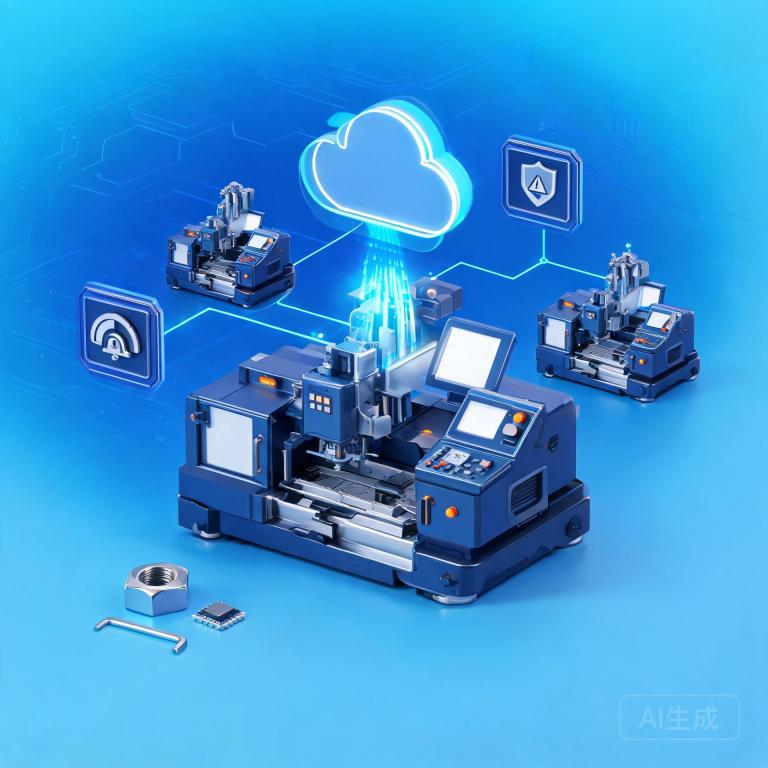
A: Private deployment is available as an option, and it can be deployed inside the company intranet via Docker so data does not leave the enterprise environment; encrypted cloud services are also an option. The technical architecture supports multi-model routing across OpenAI, Claude, Tongyi Qianwen, Zhipu GLM, DeepSeek and others, combined with Qdrant and Milvus vector retrieval and a RAG engine, to ensure data security.