FAQ
Q: What human resources and administrative functions does Moges offer?
A: The Human Resources and Administration functionality module of the Moges system provides comprehensive employee management solutions for businesses. The employee record management function supports the recording of employee basic information, onboarding and offboarding information, contract information, and training records, facilitating unified management by the HR department. The attendance management module supports integration with mainstream attendance machines, automatically collecting attendance data, and supports approval processes for leave, overtime, and business trips. The payroll calculation function supports customized salary structures, including basic salary, performance-based salary, overtime pay, and allowances. The system automatically calculates salaries based on attendance and performance data, and supports the generation and recording of payroll statements. The performance assessment module supports customized assessment indicators and weights, and supports multi-dimensional evaluation and performance review records. In terms of administrative management, the system supports approval processes for business trips and expense reimbursement. Expense reimbursement documents support attachment uploads and multi-level approvals, ensuring the standardization and transparency of expense management. The entire HR management process is digitalized, significantly improving HR work efficiency and employee satisfaction.
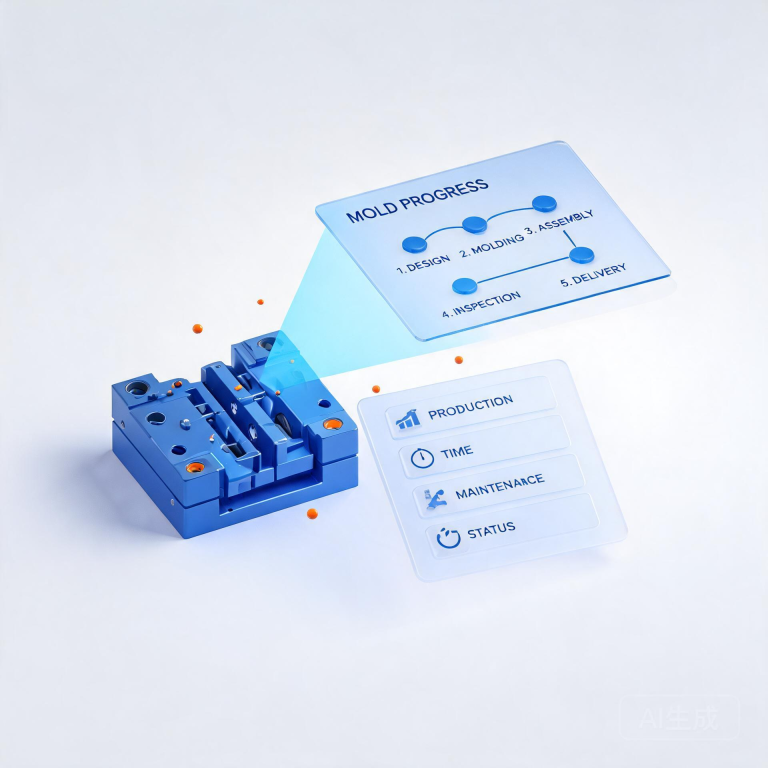
Q: After each mold process is finished, nobody moves it to the next station, so work often sits idle for half a day and delays delivery. How do we solve this?
A: The core issue is that node-level daily clearance management is not in place. Before the end of each shift, each team leader reports the completion status of their own process, and the planner notifies the next process one hour in advance to prepare materials and take over the work. If the waiting time for handover is included in team performance assessment, most idle gaps can be squeezed out.
Q: What is the difference between a native Android app and an H5 wrapper?
A: Native Android code is more stable and smooth, with better compatibility. It is not simply wrapping a web page in a shell. The native approach is more solid in installation experience, running speed, and feature extensibility, and is better suited to long-term use and release on app stores.