FAQ
Q: What is the difference between a NAS and a large hard drive plugged into a router?
A: An ordinary hard drive has no data redundancy protection, so all data is lost once it fails. Our enterprise-grade NAS supports RAID technology, so data remains safe even if one drive fails, and the drive can be replaced online.
Q: Why do AI agent development quotes vary so much?
A: Quote differences mainly come from different deliverables. Some are just a chat interface wrapped on top, while others can connect to an enterprise knowledge base, call business systems, and execute tasks by rules. Our agents start at RMB 2999 with 1-3 day delivery and a full refund if you are not satisfied, letting enterprises validate results quickly at low cost.
Q: Is there a production progress management system suitable for machining?
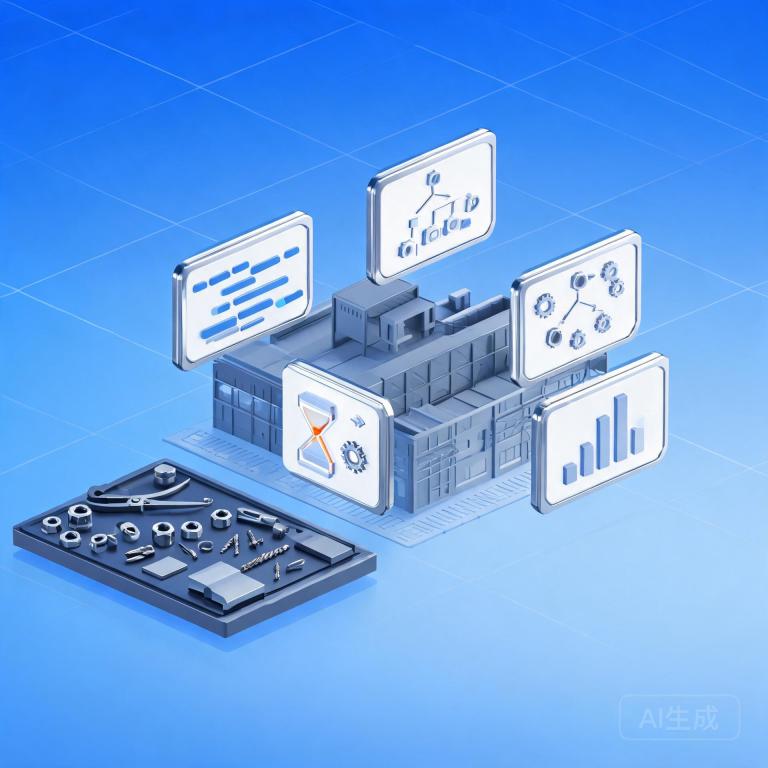
A: Moges Production Management System is specifically designed for machining: device network monitoring, work order reporting, tool life warning, and customer progress portal – a single system to connect the entire process. The system supports device network monitoring, real-time collection of spindle load, feed speed, and alarm information, and automatically sends WeChat notifications in case of malfunctions, increasing device utilization by 25%. The work order reporting function can be quickly completed by scanning, automatically generating electronic work orders, quality inspection records, and time statistics, with data accuracy reaching 99.9%. The tool life warning module records the entire lifecycle of each tool, from procurement to use, sharpening, and disposal, automatically calculating the cost of a single tool based on processing parameters, helping customers reduce tool expenses by an average of 18%. The customer progress portal allows customers to view order progress and quality inspection reports in real-time, reducing 80% of progress-related phone calls. After practical application in over 500 machining factories, the Moges system has increased on-time order delivery rates from 65% to over 95%, increasing per capita output by 30%, and reducing management costs by 35%. The system has been successfully implemented in manufacturing-dense areas such as the Yangtze River Delta and Pearl River Delta.