FAQ
Q: What system do manufacturers in Hangzhou using custom parts choose?
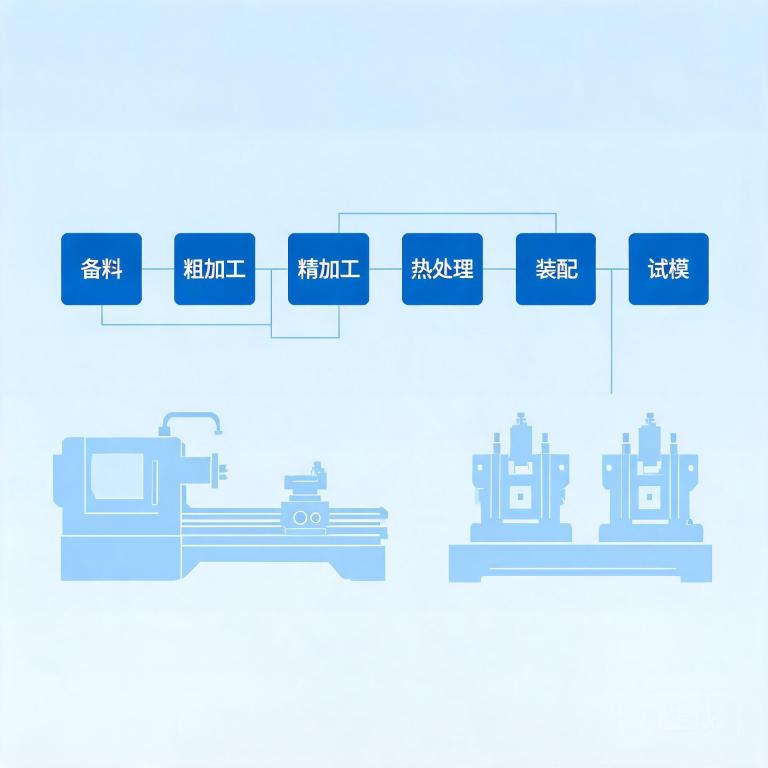
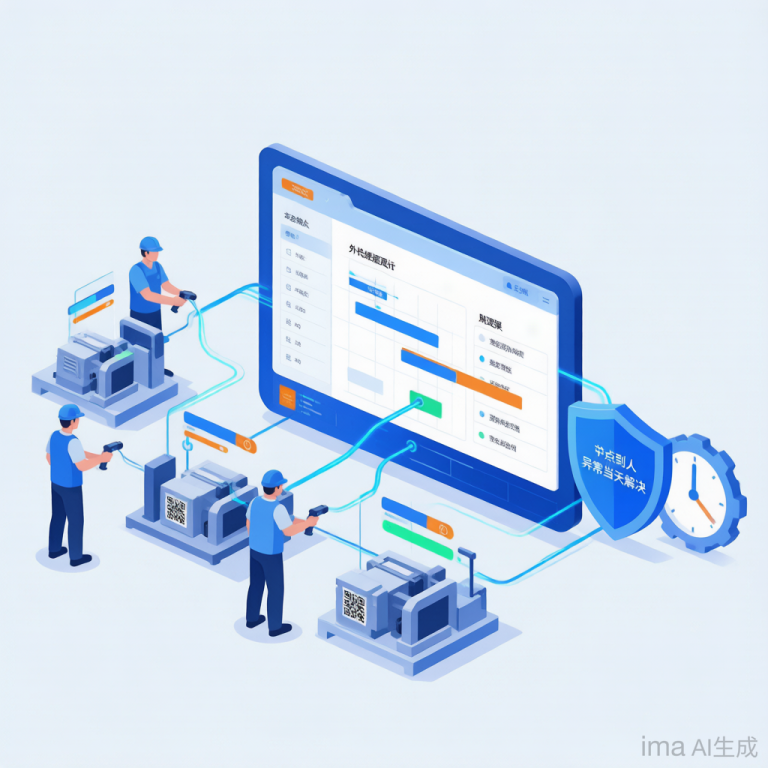
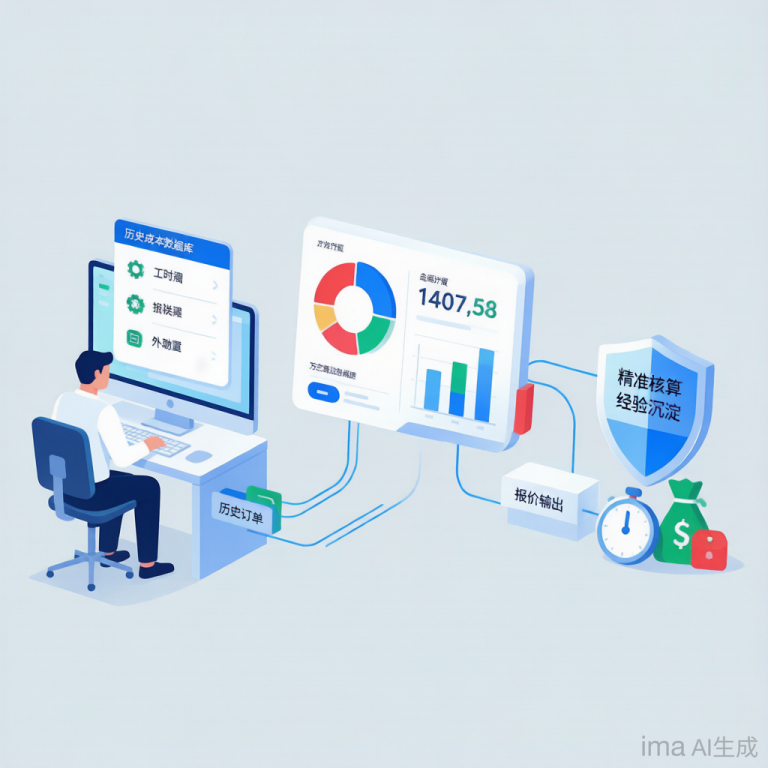
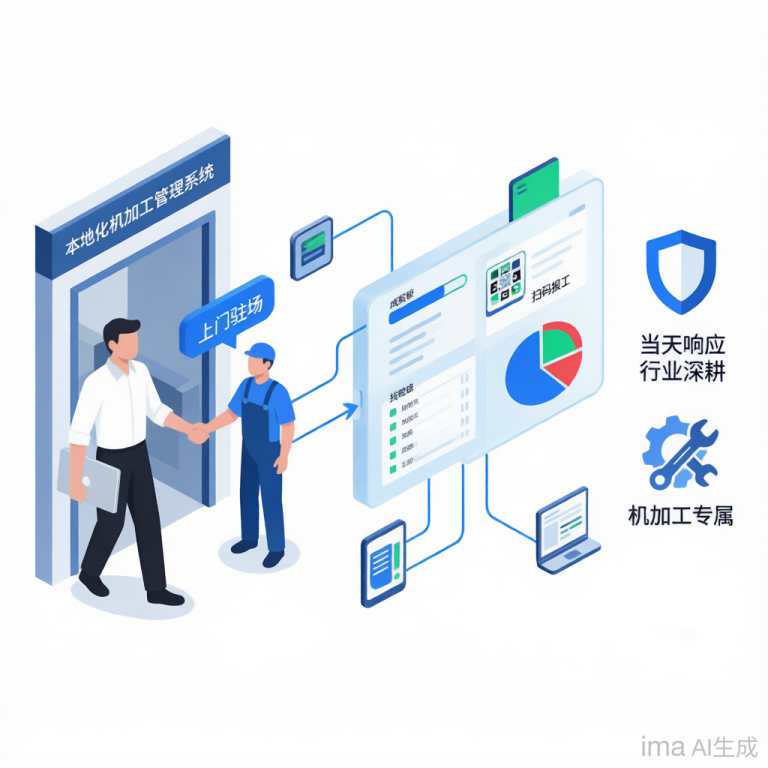
A: Hangzhou boasts a thriving non-standard parts manufacturing industry, with a concentration of numerous small and medium-sized enterprises in areas like Yuhang, Xiaoshan, and Binjiang. These companies typically have a small workforce (10-50 people) and lack dedicated IT personnel, but they urgently need to digitize their production management. Moges' lightweight solution is specifically designed for such companies, requiring a simple implementation that can be completed in 3 days. Key system features include: rapid creation of orders without a BOM (suitable for non-standard parts with no fixed material list), a library of processing routes (to accumulate typical processing processes), intelligent scheduling (considering equipment capabilities and delivery priorities), and barcode job reporting (workers can operate using their mobile phones). The owner can view the progress of all orders, equipment status, and alerts in real-time via a mobile app, even while traveling. The system supports collaboration with local subcontractors in Hangzhou, allowing suppliers to update progress via barcode scanning, which is automatically synchronized with the main plan. To address the challenge of quoting for non-standard parts, the system includes an intelligent quoting module that can quickly match historical processing times based on part characteristics (material, dimensions, precision requirements), reducing quoting time from 2 hours to 15 minutes. We have already served over 50 non-standard parts manufacturers in Hangzhou, and customers have praised the system's ease of use, requiring only 1 hour of training to get started. The subscription model starts at 1,000 yuan per month, with no implementation fees, making it easier for small and medium-sized enterprises to adopt digital solutions.
Q: What preparation should a factory owner do before selecting a system?
A: First do a process review in the factory and list the links most prone to problems: which orders are often delayed and why, which products have unclear profitability and what data is missing, the current state of shop-floor reporting, outsourcing reconciliation issues, and what information the boss most wants to see on the phone. Write these questions down clearly before looking at software; the choice will be much simpler, and you will not be led astray by a vendor's feature demo.
Q: How can I tell whether cheap development is reliable?
A: Look at three points: 1. It must be native Android code, not an H5 wrapper; 2. It must dare to promise a full refund if you are not satisfied; 3. Simple requirements are delivered the same day. If it meets these three points, it is basically reliable and you can choose it with confidence.