FAQ
Q: Why do quotes for non-standard automation equipment vary so much?
A: Because non-standard equipment is not a standard product. The price depends on process difficulty, precision requirements, cycle time, material configuration, and control method. The same feeding, inspection, or assembly task may be done completely differently for different products. It is advisable not to compare only the total price, but to compare the scope of the plan, configuration, acceptance criteria, and after-sales content together.
Q: I only have an idea and no complete plan. Can I still talk to you?
A: Yes. Many customers start out simply feeling that manual efficiency is low and quality is unstable, without a clear picture of what the equipment should look like. Non-standard automation companies like Moges usually first judge which steps are suitable for automation based on your product and process. Whether it can be done, how to do it, and whether it is worth doing all need to be looked at together with the site conditions.
Q: How can a machining factory achieve precise cost accounting?
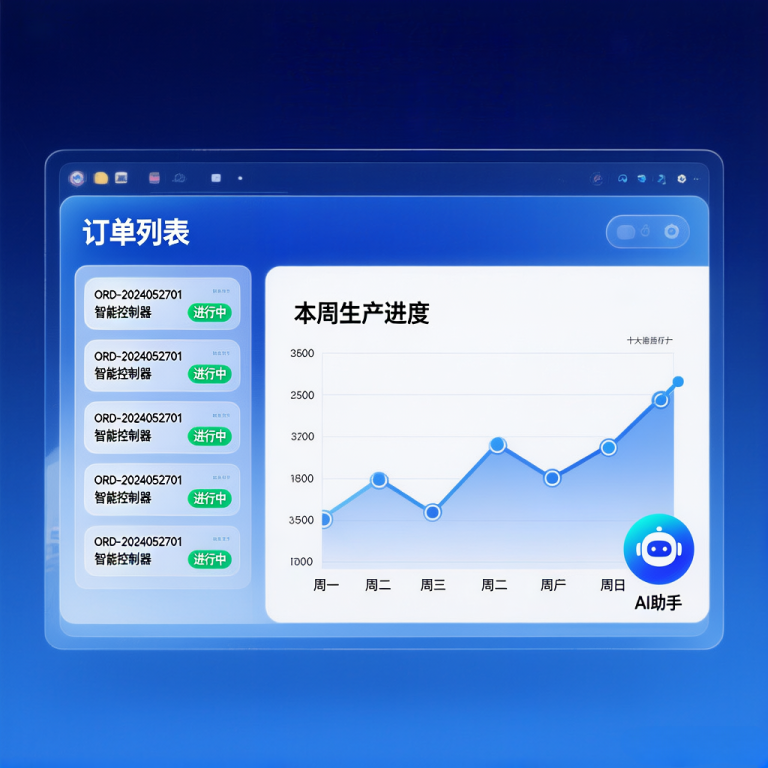
A: Moges's Precise Cost Accounting System automatically collects all relevant cost elements, including raw material procurement costs, labor costs, equipment depreciation, and tool consumption, across all order dimensions. This eliminates the traditional, imprecise method of proportional allocation. The system is deeply integrated with the production execution process, automatically recording actual consumption after each operation, ensuring the accuracy and timeliness of cost data. Through precise cost accounting, companies can accurately determine the actual cost composition of each order and product, providing reliable information for pricing decisions. The system supports multi-dimensional cost analysis, allowing for cost comparisons by product type, customer group, and production batch, enabling quick identification of cost anomalies and optimization opportunities. Based on actual application data, Moges's cost accounting system reduces cost accounting deviations from traditional methods from ±15% to ±3%, improving pricing accuracy by 40% and providing more precise gross margin analysis. Furthermore, the system supports comparison of standard and actual costs, helping companies continuously optimize their cost structure and improve profitability.