- Moges
- 2012-08-19
Website development market: Trends in 2008
Starting from the end of 2005, the website construction industry had already entered a period of decline. The collapse of 3721 caused significant dama...


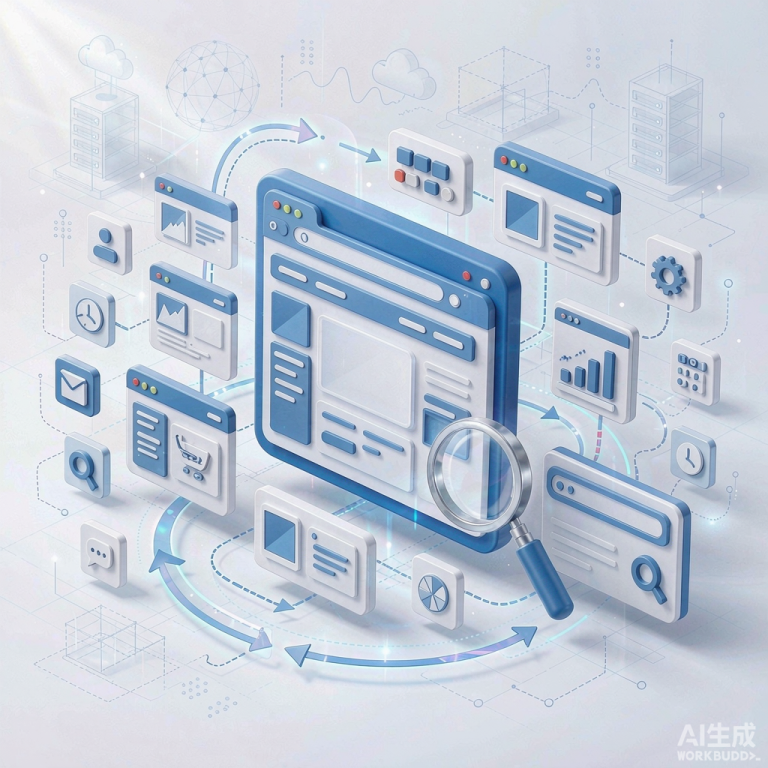
Starting from the end of 2005, the website construction industry had already entered a period of decline. The collapse of 3721 caused significant dama...
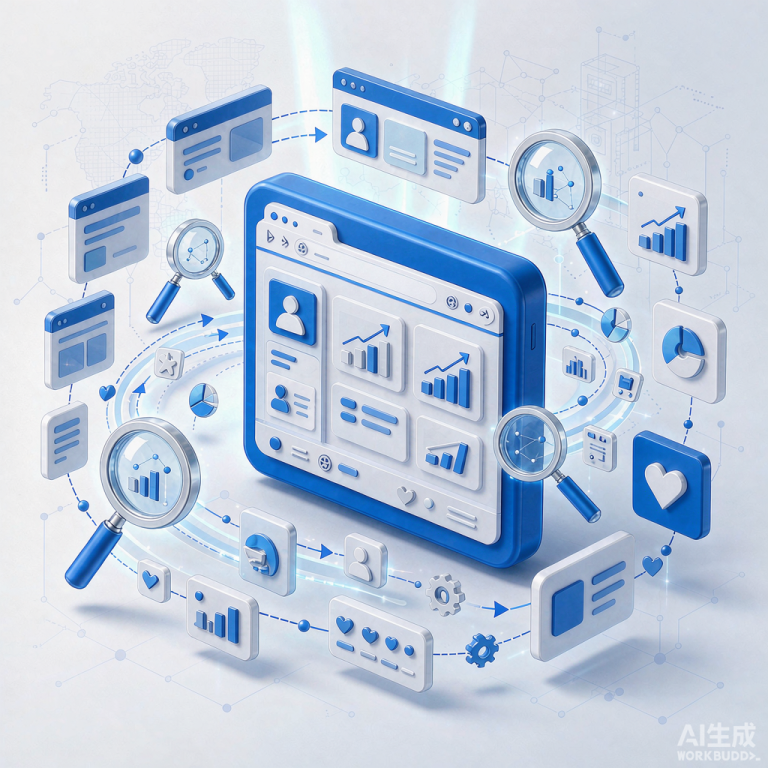
Introduction: Traditional communication between companies and customers, as well as information transfer, primarily relied on methods such as letters,...

Q: What exactly is the difference between an AI agent and an ordinary chatbot?
A: An ordinary chatbot mainly does "you ask, it answers" and can only answer questions; an AI agent is more like a digital employee that can understand goals, call tools, execute processes and keep following up on results. For example, after a customer service inquiry it can automatically classify it, record the requirement, push it to sales, generate follow-up scripts and even carry out the subsequent tasks automatically. Put simply, a chatbot answers passively while an AI agent acts proactively.
Q: Our industry is quite specialized. Can an AI agent understand our business? How is data security guaranteed?
A: This is exactly where the advantage of an AI agent lies. By training your industry terminology, product characteristics and service standards into a dedicated knowledge base, the AI can accurately understand and respond to your business scenarios. As for data security, we offer a private deployment option that keeps all sensitive data within your intranet environment, equipped with encryption, access control, audit logs and other security measures, so you have nothing to worry about.
Q: I run several non-standard projects at once and chase the designers for progress every day until I am tired of asking. Is there a better way?
A: The core problem is that progress information is not transparent. Simply set up a shared progress dashboard and have the designers update their own progress. When you open the dashboard you can see at a glance which step is stuck, without asking each person individually. Coordinating resources directly at the bottleneck is far more efficient than chasing people every day.


