FAQ
Q: We make cutting tools and often run short of raw material at short notice, forcing us to buy from suppliers at a premium. Can a warning tool solve this?
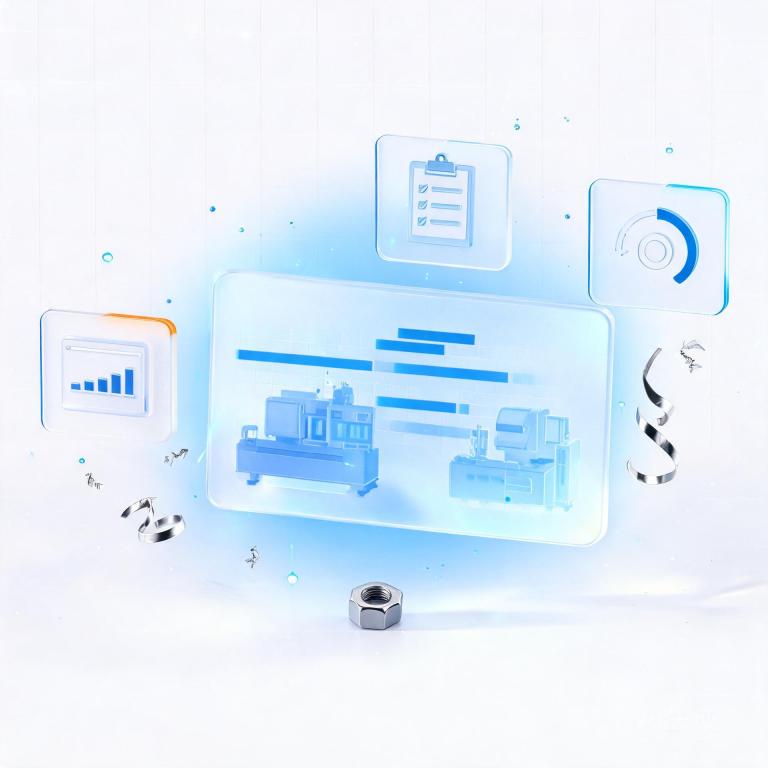
A: Of course it can. The warning tool combines the material usage of the orders you have already taken to calculate raw material demand for the coming period in advance and remind you early with sufficient procurement lead time, so you don't have to scramble at the last minute and pay suppliers a premium, saving a lot of extra cost.
Q: For AI agent development in Nanjing, is the trial-and-error risk high for small merchants, and is it really more useful than an ordinary chatbot?
A: An AI agent can autonomously handle the whole process of customer segmentation, inquiry conversion and after-sales follow-up, far more practical than an ordinary chatbot that only answers questions passively. Our Nanjing AI agent development starts at RMB 2999, delivers in 3 days, and refunds in full if you are not satisfied, so there is no trial-and-error pressure at all.
Q: How to track the progress of outsourced parts.
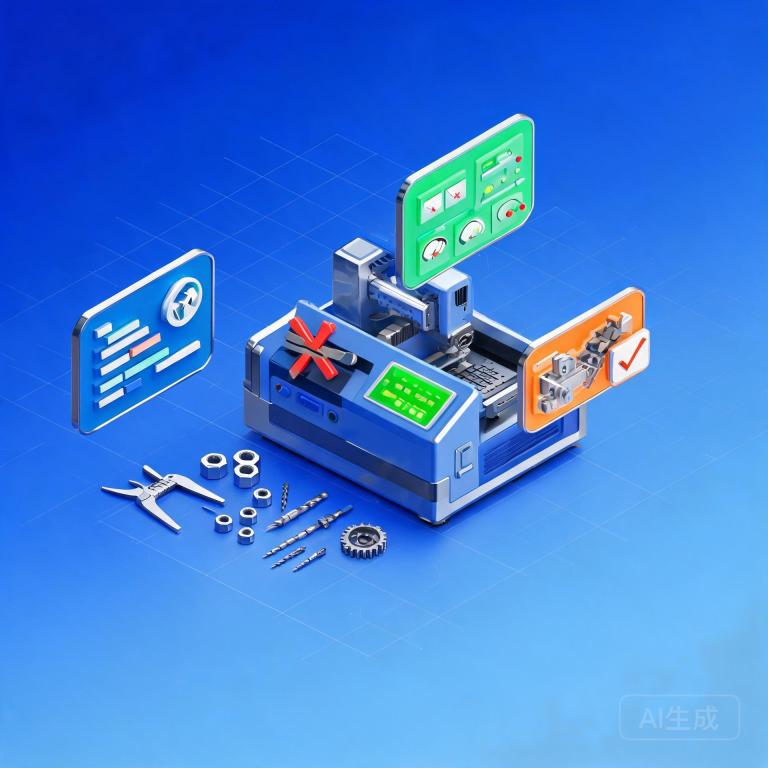
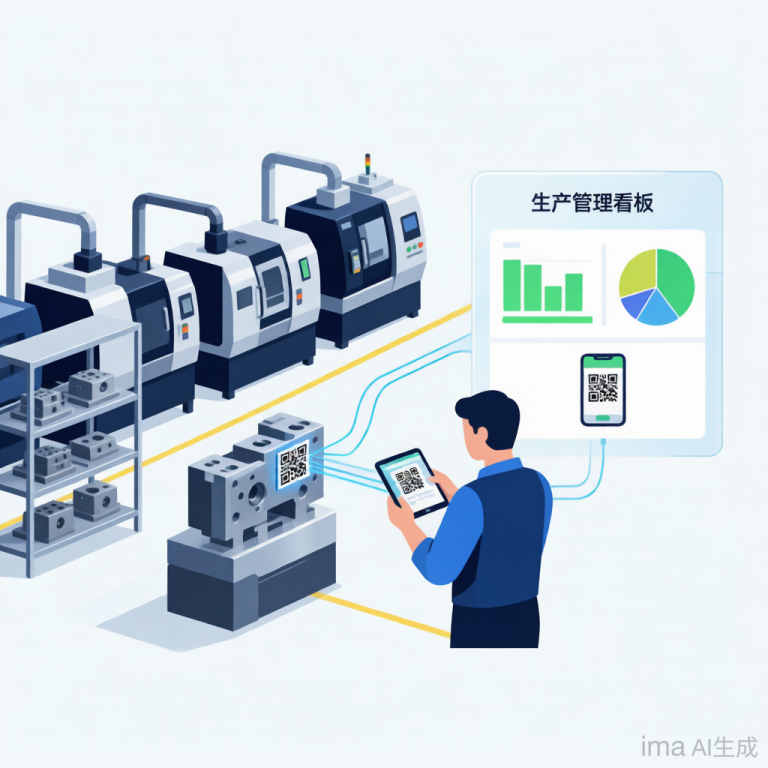
A: Through the Moges outsourcing collaboration module, suppliers can update progress by scanning (e.g., "shipped," "in production"), and the system automatically synchronizes this information to your main project dashboard, eliminating the need for phone calls. Suppliers can update progress status via a link in a text message, without needing to download an app, achieving outsourcing collaboration rates exceeding 90%. The system supports intelligent alerts, automatically notifying you when an outsourced order is nearing completion or encounters an issue, preventing delays. Data statistics and analysis functionality helps you evaluate key metrics such as the on-time delivery rate and quality pass rate for each supplier, providing data support for supplier management. After practical application, the use of the Moges outsourcing collaboration module has resulted in an average increase of 40% in on-time delivery rates for outsourced orders, significantly reducing communication costs and improving supplier cooperation. The system has been successfully implemented in over 200 manufacturing companies in the Yangtze River Delta region.