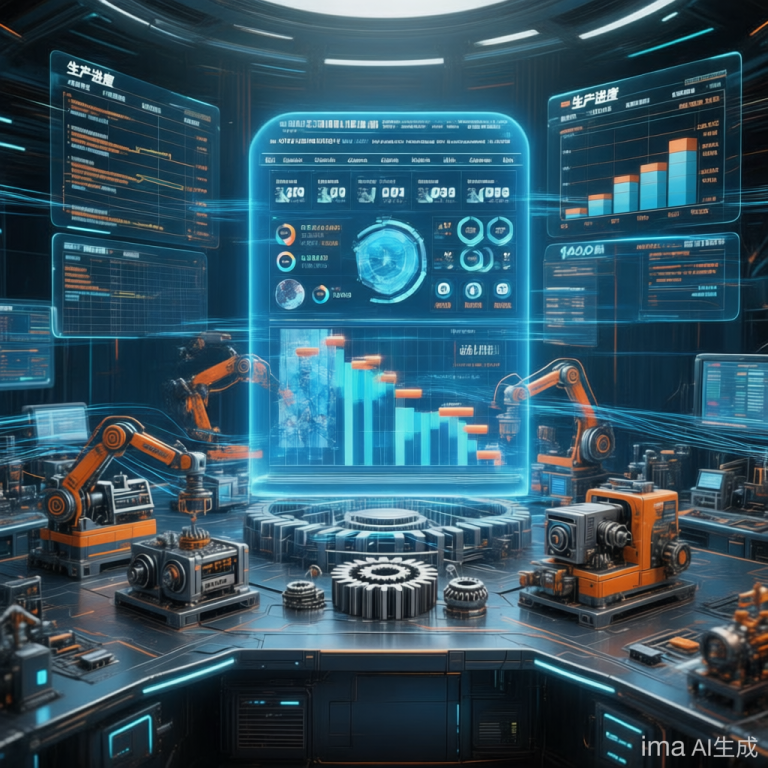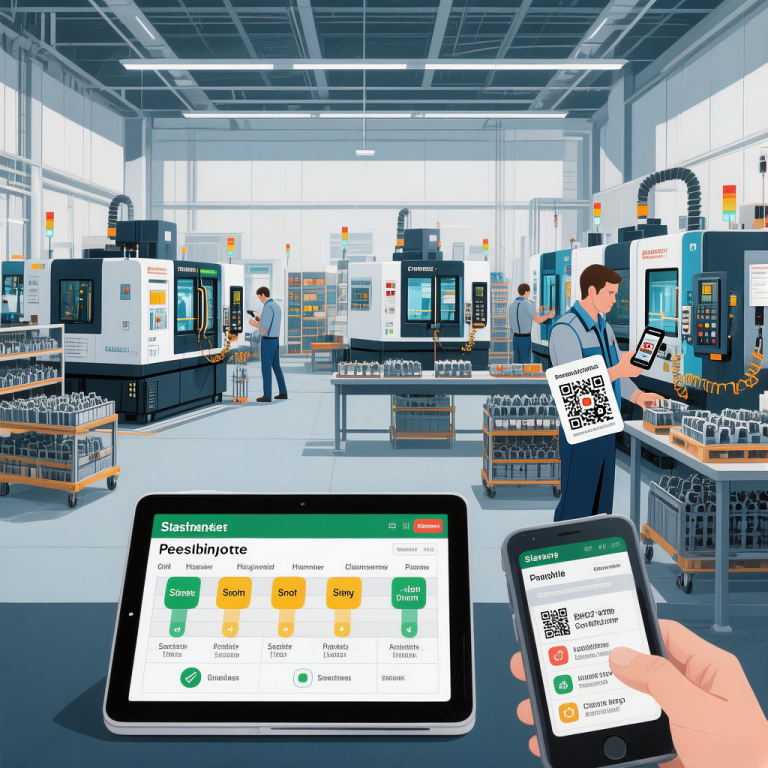
Moges Manufacturing Management System: Redefining the Pace of Digital Transformation in the Machining Industry – From "Preemptive Risk Mitigation" to "1-Day Go-Live"

Introduction: Addressing Industry Pain Points Associated with Traditional Implementation CyclesIn the midst of the manufacturing digital transformatio...

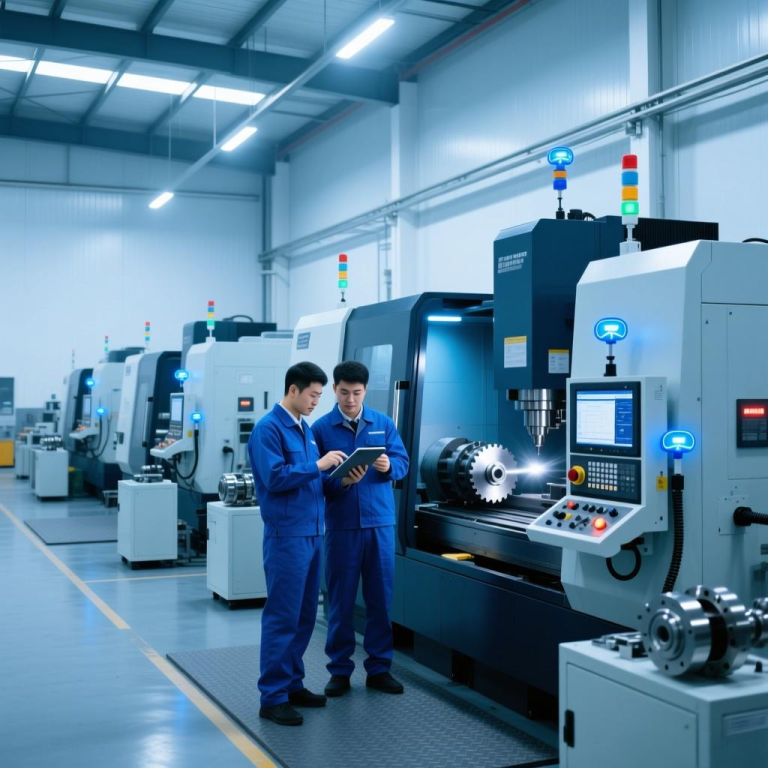
From Foundation to Application: How Moges Uses Linux as the Base to Build a Smart Factory for Discrete Manufacturing

Stable, Secure, Efficient: Linux Is the Invisible Cornerstone of Intelligent ManufacturingIn discrete manufacturing fields such as molds and machining...

Data-driven Precision Manufacturing: Moges' IoT Transformation Solution for Non-Standard Custom Fabrication Companies

Customized Manufacturing: The Management Challenges Behind Small Batch, Multi-Variety ProductionIn today's manufacturing landscape, custom fabrication...

Contact Us

Now
Contact Us

We deliver professional solutions tailored to our customers' needs. Or share your valuable suggestions so we can improve and grow together!

Contact
Product & Service Inquiry

Free Online Consultation on Products & Solutions

Get a Quote

FAQ

Q: We only find out a mold needs replacing after it breaks. Can mold management software synced to the phone remind us in advance?
A: Certainly. The software automatically records the production count and maintenance and repair history of each mold. When the preset life is reached, it sends an alert on both phone and computer at the same time, so you can arrange mold repair or replacement in advance and avoid a sudden line stoppage that delays delivery. Many small and medium-sized mold shops now rely on this to prevent surprises.

Q: How can the Moges MES system address the "black box" problem in the production of non-standard parts?
A: The system achieves full-process transparency from order to finished product through real-time job reporting at the operational level and data collection from IoT devices. Managers can check the location, status, and responsible personnel of each part at any time, completely eliminating the "black box" in production.

Q: What are the most common management problems in outsourced sheet metal processing?
A: Three core problems: 1) No progress tracking, so outsourced work depends on the supplier's own discipline and you pay the penalty when delivery slips; 2) Reconciliation done by hand, with source slips missing and unit prices unclear, so month-end reconciliation runs until dawn; 3) Quality cannot be pinned down, so when problems arise responsibility is unclear and you absorb the rework cost. Together these problems can eat several points of net profit every year.

Latest News

Online Subscription