FAQ
Q: Which AI agent development approach should an enterprise choose?
A: Choose according to your needs: 1) single-scenario agent (solves a single pain point such as customer service or a knowledge base, live in 1 day, cost of a few thousand yuan); 2) workflow automation agent (handles repetitive work such as report compilation and data synchronization, delivered in 1 week, efficiency improved 5-10 times); 3) multi-agent collaboration system (complex business with multiple AIs dividing the work, implemented in phases).
Q: Is it necessary for small machining shops to implement MES?
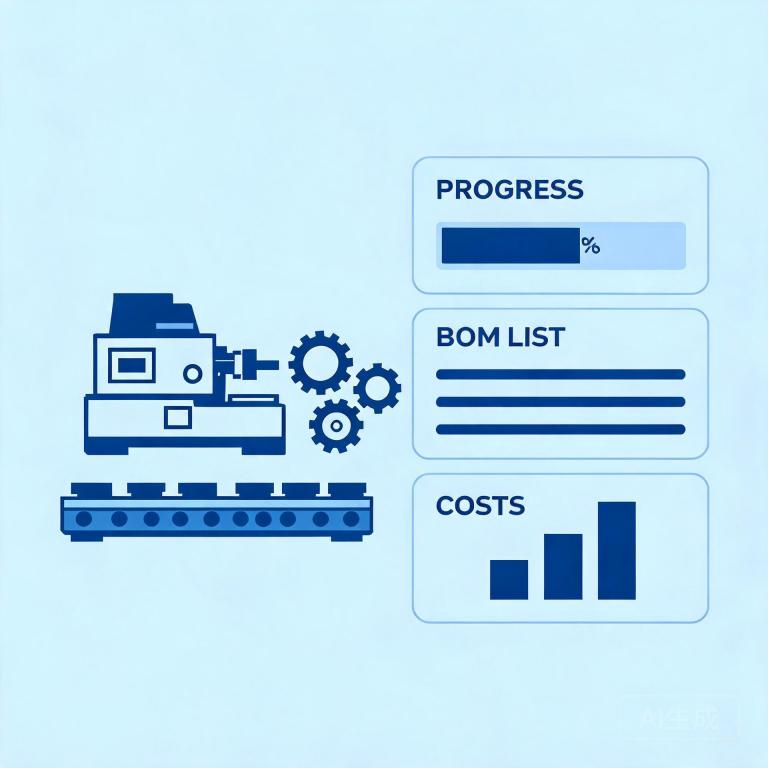
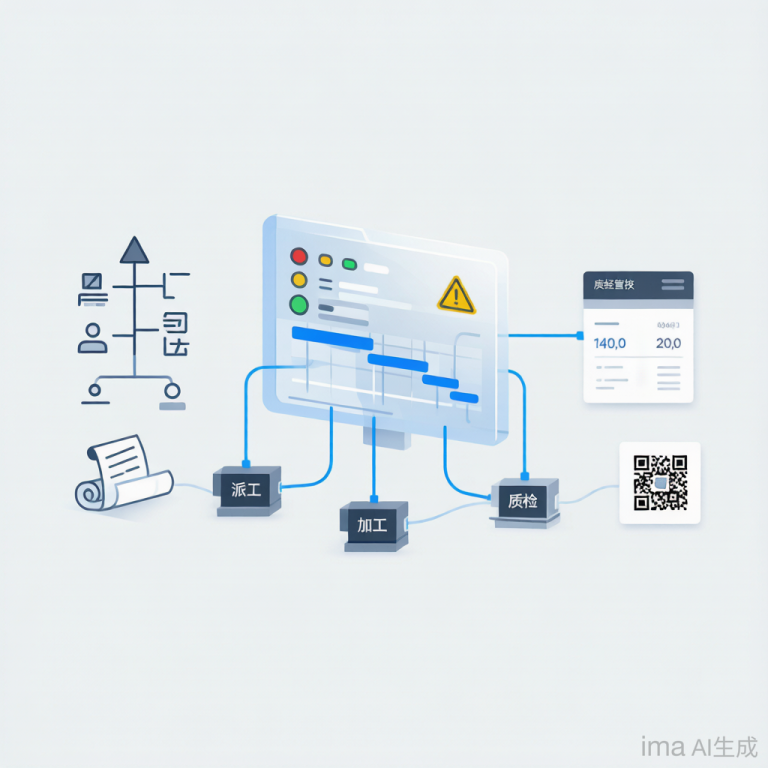
A: Small machining shops with fewer than 50 employees especially need the support of a digital management system! Many small factory owners believe that MES systems are expensive and complex to implement, but this is a misconception. Moges' lightweight MES system is specifically designed for small machining shops, with monthly fees starting at just a few thousand yuan. It focuses on three core essential functions: production scheduling, work order reporting, and customer progress tracking, and can be quickly deployed within 3 days. Through digital management, small shops can achieve transparent production progress, timely response to issues, and significantly improved customer satisfaction. More importantly, the return on investment (ROI) is typically realized within 6 months: reducing penalties for delayed orders, lowering communication costs, improving equipment utilization, and reducing material waste. Moges has already served over 200 small machining shops in the Yangtze River Delta region, including micro-enterprises with as few as 3 employees, all of which have successfully undergone digital transformation. The system supports mobile operation, allowing owners to stay informed about the entire factory's operations even when they are away, achieving a high return on investment with minimal initial investment.
Q: Our machined loose-part workshop has many orders and mixed varieties, and manual production reporting is always wrong and slow. Can a production reporting system solve this?
A: The loose-part industry itself involves small orders and mixed volumes. A good production reporting system supports workers to report quickly by scanning codes and updates process progress in real time, with a much lower error and omission rate than manual work. Moges specializes in the machined loose-part industry, and this part is closely aligned with actual practice.