- Moges
- 2026-08-27
Chaotic Piece-Part Inspection? Process Software Stops Hidden Losses
Foreword: Only After the Quality-Inspection Mess Becomes Unbearable Do People Start Looking for a ToolMany factory managers searching for piece-part m...



Foreword: Only After the Quality-Inspection Mess Becomes Unbearable Do People Start Looking for a ToolMany factory managers searching for piece-part m...
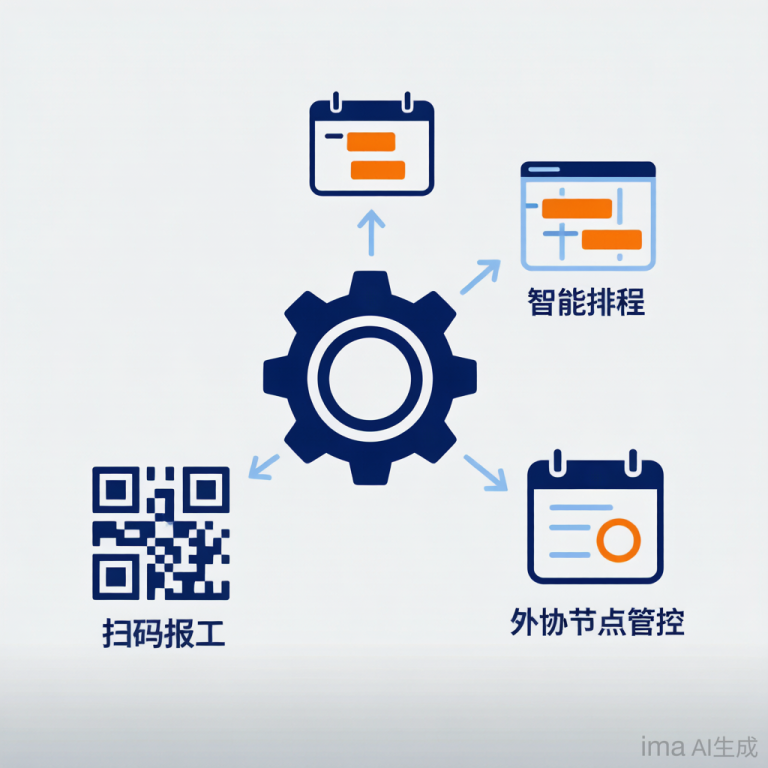
Introduction: Why Is Discrete Parts Production Always "Firefighting"?Are you searching for "how to manage schedule delays in discrete parts production...

Q: Our product drawings are not always very standard. Can the software quote accurately?
A: Whether a quote is accurate depends mainly on whether the base data and process judgment are reasonable. For orders with incomplete drawing information, the software can assist with the calculation, but the material, thickness, quantity, and surface treatment still need to be confirmed clearly. Software does not replace process engineers; it helps standardize the calculation process for both process and sales.
Q: I am in a traditional industry and have never worked with AI. If I set up an AI agent for transformation, is this investment really worth it?
A: An AI agent is not the kind of ordinary chatbot that fobs customers off. It can be trained to fit your business scenarios exactly and take over repetitive daily work. We handle the whole setup and deliver in 3 days starting at RMB 2,999, with a full refund if you are not satisfied. A low investment is enough to complete your AI transformation, so it is certainly worth it.
Q: What are the three most common types of loose-part inventory chaos, and how can they be identified quickly?
A: The most common problems in loose-part inventory are the big three: finding parts, missing parts and wrong parts. Finding: the order is due for assembly but the key part cannot be located. Missing: the system shows stock but the shop floor searches for ages and finds nothing. Wrong: rework parts and accepted parts are stored together, so the wrong one is picked during assembly. A quick way to identify the problem is to look at what the boss asks most often every day: where is the part, why is it not there, and did we pick the wrong one.


