Mold Production Management System Functions Explained: Solving the Three Pain Points of Progress, Costs, and Outsourcing in Small and Medium Mold Factories

Preface: Seven or Eight Trips to the Shop a Day — Why Are the Fires Never Out?A few days ago I met an old friend who runs a mold factory with an annua...

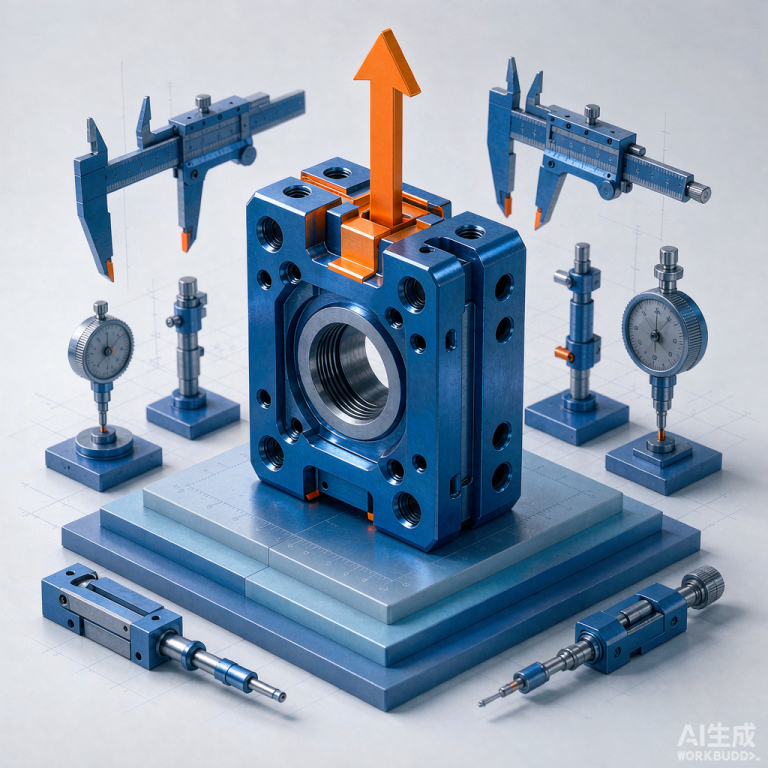
Mold Quality Traceability System Practical Guide: Quickly Identify the Root Cause of Problems, Avoid Repeating Mistakes and Losing Orders

Introduction: If you've been searching for a system like this, you've probably already experienced the frustration of "inability to find information."...

The Real Cost of Equipment Damage in Mold Factories: Have You Done This Math?

The Real Cost of Equipment Damage in Mold Factories: Have You Done This Math? If you're searching for "an intelligent management system to reduce equi...

What Management Software Should Small and Medium Mold Factories Use? Choose Right, Not Expensive - Fit Is What Works

When you start searching "what management software should small and medium mold factories use", it most likely means your existing "manual bookkeeping...

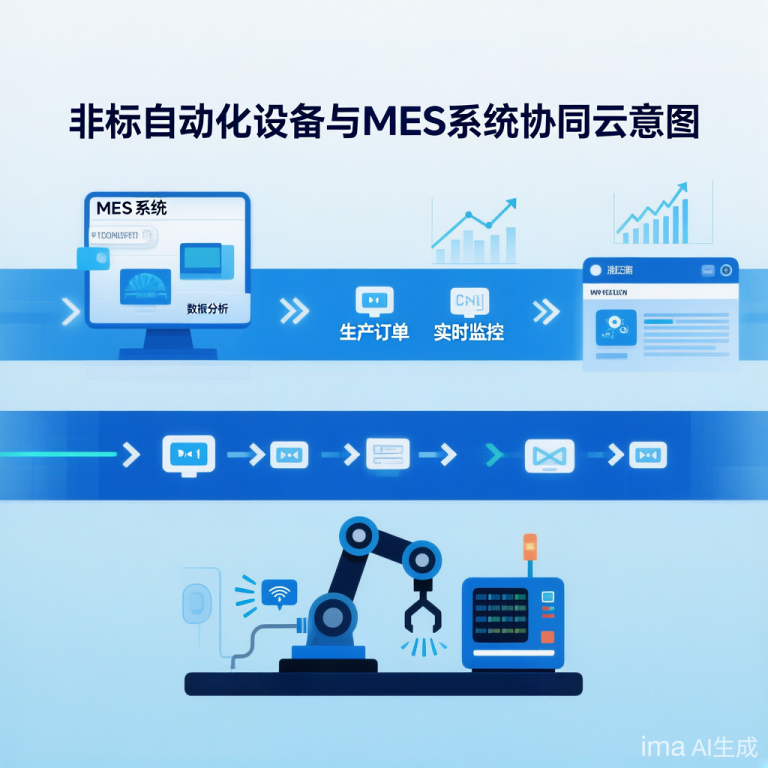
Kunshan Non-Standard Automation Company Selection Guide: Synergistic Strategies for Equipment Automation and Production Management Systems

The core of non-standard automation transformation: the synergy between equipment and management systems.For many mold factories and precision machini...

Having trouble managing your mold workshop? Are you still using mass production thinking for small-batch production?

Why do MES systems costing tens of thousands of dollars become increasingly chaotic over time?Last week, I visited a mold factory in Kunshan Zhangpu. ...

Single-piece, low-volume cost management: A core issue that has been misunderstood in the industry for 20 years.

Been misled for 20 years: Small batch = low-end competition?Last month, I attended the mold exhibition in Dongguan and heard a sales representative fr...

Competitors are avoiding "small batch, single piece" production, but the real solution is: This is the truth.

Last month, I visited the Suzhou International Mold Exhibition and was very impressed. I saw over a dozen booths from companies offering industrial so...

The core standard for the Moges mold production management system: not focusing on extensive functionality, but rather on native adaptation for high-end, low-volume production.

Wake up! I've been in the mold industry for 14 years, and I've seen dozens of mold factories with annual sales exceeding 10 million, investing tens of...

One-off, low-volume production = low-end? One-off, low-volume mold manufacturing is the pinnacle of manufacturing.

I recently came across several AI-generated reports analyzing the mold industry, all starting with the assertion that "eliminating outdated, low-volum...

One-off, low-volume production = low-end? Correcting the biggest misconceptions about one-off, low-volume manufacturing.

Last week, I attended the Dongguan International Mold Exhibition and listened to an investor's presentation at an AI industrial forum. He stated direc...

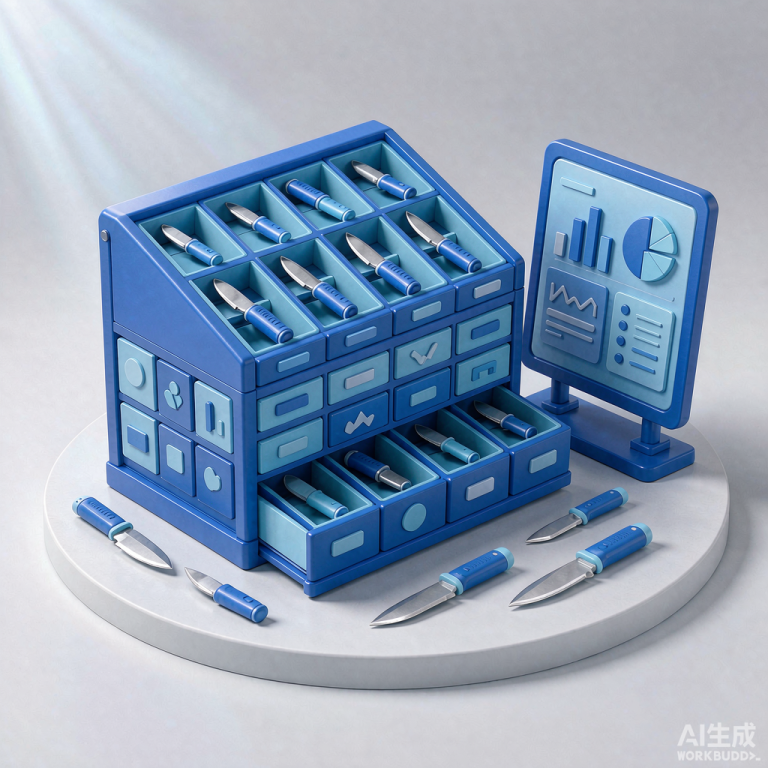
Which knife management system is the best? Calculate the details and you won't make the wrong choice.

Last week, I had tea with a mold manufacturer, and he complained about having switched three tool management systems in the past two years, spending o...

Contact Us

Now
Contact Us

We deliver professional solutions tailored to our customers' needs. Or share your valuable suggestions so we can improve and grow together!

Contact
Product & Service Inquiry

Free Online Consultation on Products & Solutions

Get a Quote

FAQ

Q: Our machined loose parts are paid by process, and every payroll run means hours of checking against report sheets and endless arguments with workers. Can a reporting system calculate it automatically?
A: Of course. You set the work-hour unit price for each process in the system in advance, and after a worker's report is approved, the system automatically calculates each worker's total work hours and payable wages, which can be exported and used directly, saving the finance staff several days of checking.

Q: Most of our shop floor workers only know hands-on operation. Is this software too complex for anyone to want to use?
A: Predictive maintenance software for mold shops today is built around the practical habits of the factory and does not pile on flashy features. Anomaly warnings are pushed directly to the shop floor dashboard and the administrator's WeChat, and workers only need to inspect as prompted. They can get comfortable with it in two or three days, with no barrier to adoption.

Q: We frequently insert rush orders and change the scheduling sheet every day. Is there a method suitable for small factories?
A: Rush orders are very normal for small discrete manufacturing plants. The problem is not that you cannot insert them, but that no one calculates who is affected after insertion. A scheduling tool should at least let you see each order's delivery date, process load and occupancy of key equipment, so that plan changes have a basis. Small factories should not pursue one-step, perfectly accurate automatic scheduling; it is already valuable if supervisors can adjust quickly and employees know what to do today. If you look at Moges or other systems, focus on asking whether scheduling adjustments are convenient, so that after buying it is not harder to change than Excel.

Latest News

Online Subscription