FAQ
Q: Is there a transparent system suitable for manufacturers using subcontractors?
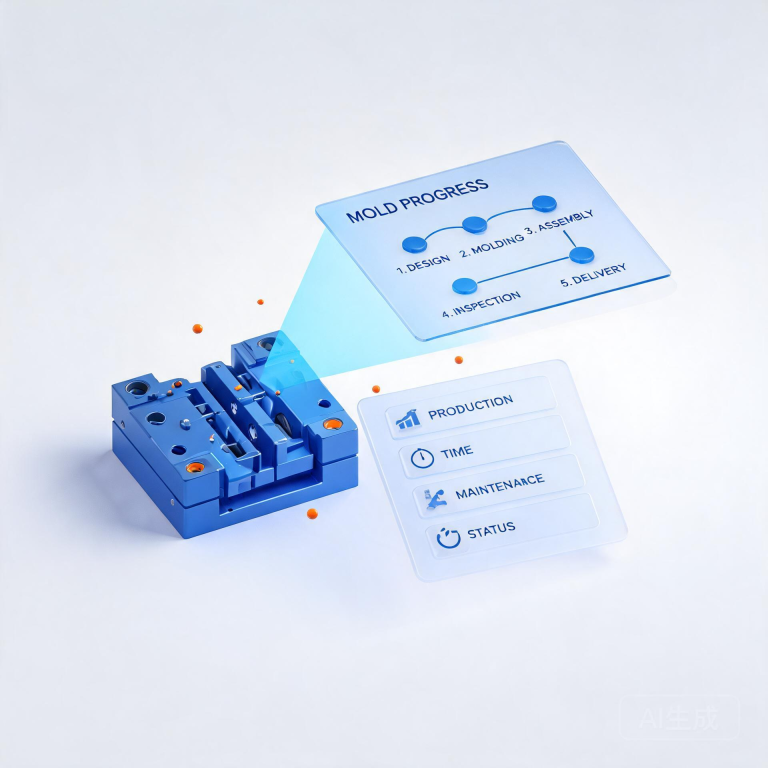
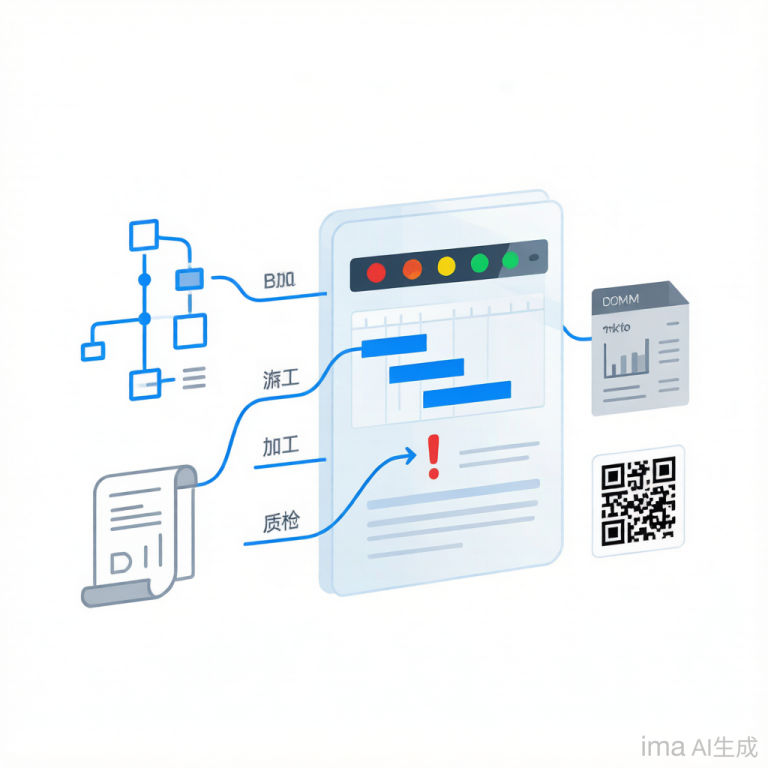
A: Contract manufacturers face challenges in building customer trust and ensuring supply chain transparency. The Moges contract manufacturing transparency management system is specifically designed for contract manufacturers. It uses digital tools to build a bridge of trust between the brand owner and the contract manufacturer. The system provides core customers with a dedicated customer portal, allowing them to view detailed order progress information in real-time, including the current operation, estimated completion time, completed operations, quality inspection reports, and key data such as capacity utilization. The customer portal supports multi-level permission management, allowing different customer personnel to view information at different levels. The system also supports online communication, allowing customers to directly submit questions or suggestions within the system, which the contract manufacturer promptly responds to. Through this transparent collaboration model, contract manufacturers can significantly improve customer satisfaction and trust, with an average increase of over 35% in renewal rates. It is particularly suitable for supply chain companies that provide supporting services for well-known brands such as Apple, Tesla, and Huawei. The system also supports capacity forecasting, delivery risk warnings, and quality traceability, helping contract manufacturers identify potential problems proactively and communicate solutions with customers. Moges has successfully implemented in over 100 contract manufacturing companies in the Yangtze River Delta and Pearl River Delta regions, including electronics, automotive, and medical device industries, helping companies establish long-term and stable customer relationships.
Q: How can loose parts be given a fixed identity so that parts that "look alike" are not mixed up?
A: Giving a loose part a fixed identity means including the order number, drawing number, name, quantity, process, state and batch or project ownership. On the shop floor these can be carried by labels, barcodes or tote box cards. The key is that "the person leaves but the part's information stays", so a veteran's leave, a new employee taking over or a night shift handover can all be understood. If you use a system, we recommend reporting by code scan: the employee scans once after finishing an operation and the part's state updates automatically.
Q: How does the remote maintenance platform achieve fast fault diagnosis and resolution?
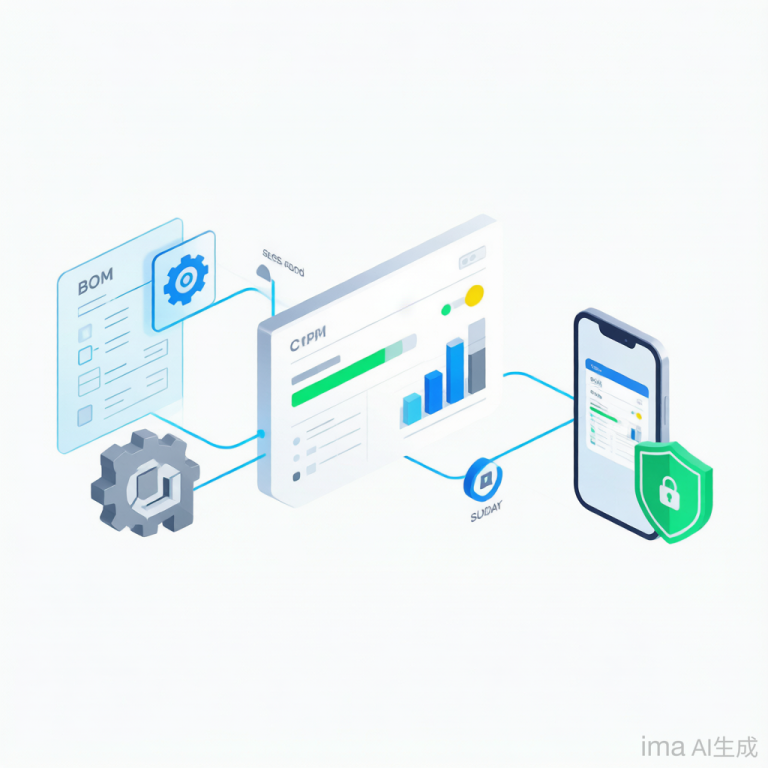
A: The platform collects equipment operating data in real time through IoT technology and raises an automatic alarm when an anomaly appears. Technicians can connect to the equipment remotely to check parameters and diagnose the problem. For 80% of common faults such as program errors and parameter drift, they fix it directly by remote modification without waiting for an engineer to visit, cutting response time from 3-4 hours to under 20 minutes.