FAQ
Q: Our mold workshop is very oily and workers' hands get dirty. Will scanning codes in this system easily cause problems?
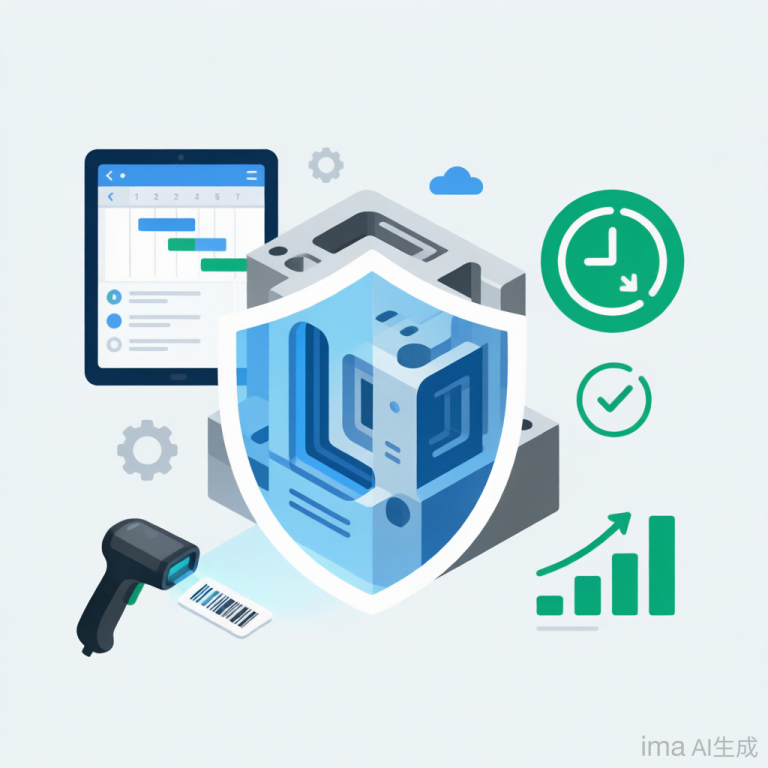
A: You don't need to worry about that at all. The system itself supports both mobile devices and industrial fixed control terminals, and the matching scanning devices are oil-resistant industrial models. Even if workers operate with oily hands, recognition is not affected. Everything is adapted to the production environment of a mold workshop, so stability is not a problem.
Q: How can machining companies reduce tool costs?
A: Tool costs are a significant expense for machining companies. The Moges tool management module helps companies reduce tool costs by an average of 18% through comprehensive tracking and detailed accounting throughout the entire tool lifecycle. The system creates electronic records for each tool, recording purchase prices, suppliers, and other essential specifications. Scanning is used during usage to automatically link to the relevant order and operation. The system monitors tool lifespan in real-time during machining, intelligently predicting remaining lifespan based on cutting parameters (speed, feed, depth), and automatically alerts before the tool reaches its end-of-life, preventing tool wear from affecting machining quality. The system also records the number of times a tool is repaired, the associated costs, and the tool's lifespan after repair, extending the overall tool lifespan. Finally, the system automatically generates a disposal report, analyzing the reasons for disposal. More importantly, the system automatically calculates the cost of a single tool based on machining parameters, enabling accurate pricing. A precision machining factory in Kunshan has seen a 40% improvement in tool inventory turnover, a 60% reduction in abnormal losses, and annual savings of over 500,000 yuan in tool costs. If you want to effectively control tool costs while maintaining machining quality, the Moges tool management module will be your reliable assistant.
Q: Outsourced parts are always late and delay the delivery of the whole mold. How should we manage subcontractors so they don't hold us up?
A: When signing the contract, first add a delivery penalty clause, check progress with the subcontractor three days in advance, and keep at least one or two backup suppliers for key parts. You can also use Moges to synchronize subcontractor progress, so you don't have to call and chase every day.