FAQ
Q: How to manage mold prototype records in a standardized manner
A: Moges Mold Version includes standardized mold testing templates, enforcing the recording of key process parameters (such as injection pressure, mold temperature, cycle time, and holding time), problem descriptions, repair suggestions, and improvement measures. All data is automatically archived to create a corporate knowledge base. This standardized mold testing record management system ensures the completeness and traceability of all mold testing data. More importantly, it provides new employees with standardized learning materials, significantly reducing the difficulty of technical knowledge transfer. The system supports historical data comparison analysis, enabling engineers to quickly identify the relationship between process parameters and product quality, helping them optimize process solutions. Through knowledge accumulation and reuse, new employees can quickly master mold testing work, reducing the average number of mold tests per set by 1.8 times, and reducing the cost of mold testing for each set by approximately 30%. Furthermore, the system supports mobile operation, allowing engineers to complete data entry on-site, avoiding the problem of data distortion caused by post-entry, and truly realizing the digitalization of the mold testing process.
Q: How much does your sheet metal laser cutting nesting software cost per year?
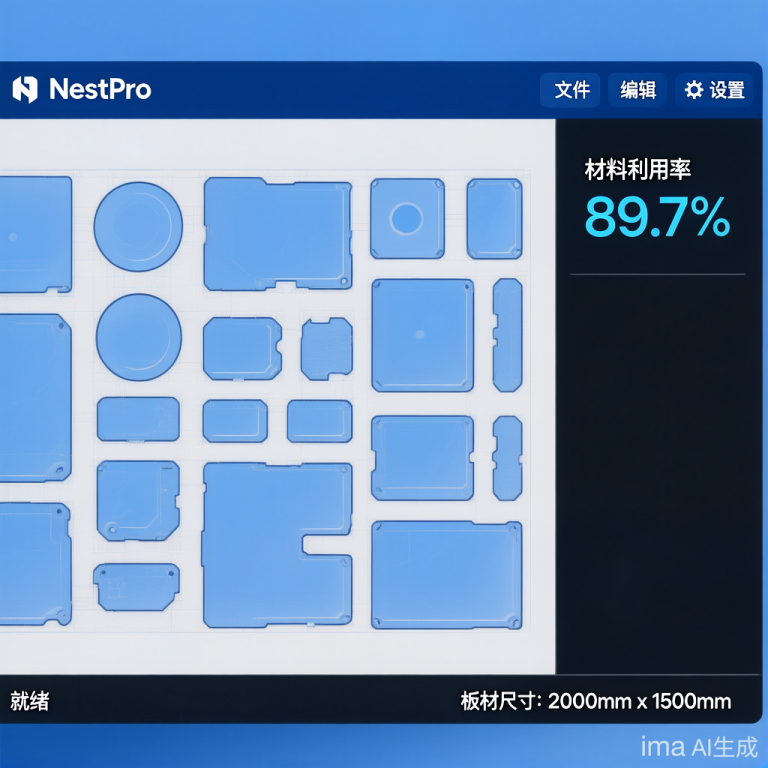
A: The price depends on the function modules you need and the number of device seats you activate. The basic version meets the daily cutting and nesting needs of small and medium-sized sheet metal shops and costs only a few thousand yuan a year, far less than what you lose on wasted material. If you have special requirements, we can discuss a separate proposal and quote.
Q: Is the cost of implementing a project management system high for small mold enterprises?
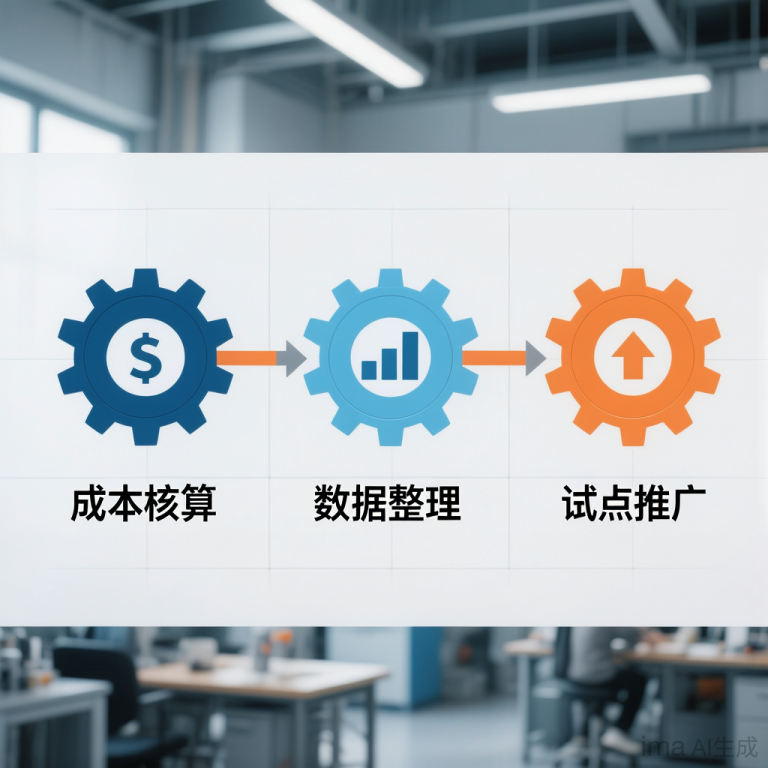
A: Costs have been significantly reduced. Traditional implementations require an investment of approximately RMB 100,000-300,000. The current mainstream SaaS (Software as a Service) model, with annual subscription fees, requires only a few tens of thousands of yuan per year, significantly lowering the initial investment threshold and allowing even small and medium-sized enterprises to embrace digitalization easily.