Always Short of Some Materials and Overstocked on Others? How to Use Safety Stock and Real-Time Inventory

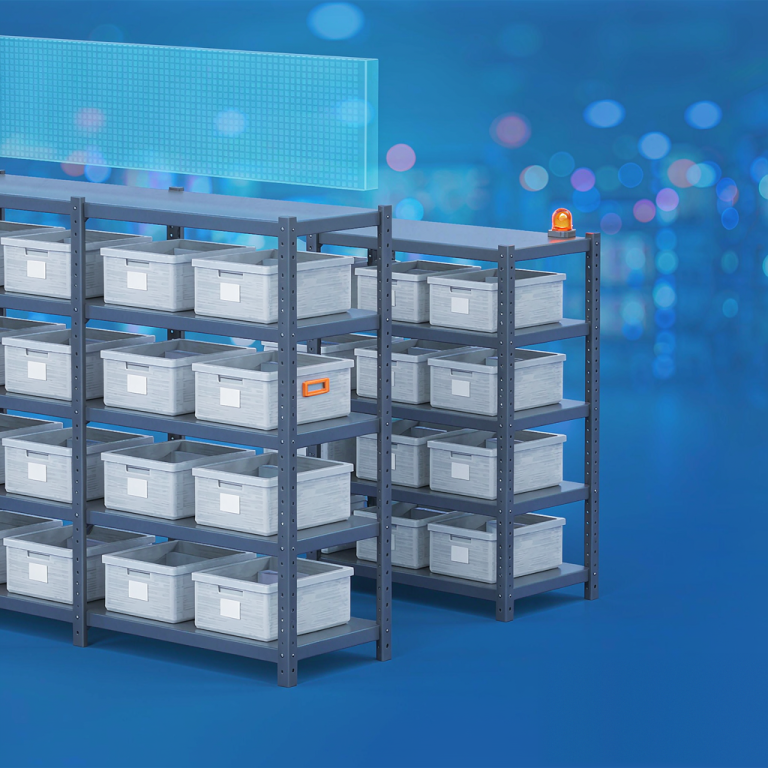
"The materials we lack were never bought, and the materials we bought nobody uses" -- shortages and overstock happening at the same time means the inv...

How to Define Material Codes So They Stay Clean: Building Material Master Data

"One material, three names" is the most typical disease of material management: the drawing calls it by a drawing number, the warehouse calls it by a ...

  • Moges
  • 2026-10-26

Month-End Stocktake Feels Like a Trial? How the Stocktake Order Balances the Books with Snapshot Locking

The reason a stocktake feels like a trial is usually an unsolved technical problem: the books keep moving during the hours of the count. Materials are...

Production Material Issues Never Reconcile? The Two Iron Rules of Inbound and Outbound Documents

When material issues do not reconcile, in nine cases out of ten the problem is not a miscount but that the act of drawing material leaves no structure...

Taking a Mold Shop Warehouse from Chaos to Order: How Many Steps?

Warehouse chaos always looks the same: people find materials from memory, the material ledger never reconciles, and the month-end stocktake feels like...

How to Keep Nonconforming Products Under Control? The 5 Control Points of Exception Handling

In shops where nonconforming products are managed chaotically, the problem is not that "nobody is responsible for quality"; it is that the five gates ...

Still Talking About Quality Exceptions on WeChat? From Verbal Handover to QA Ticket Number Management

The "quality records" of most shops look like this: someone says a sentence on WeChat, posts a few photos in a group chat, and verbally calls out for ...

When Exception Types Are Not Classified, Quality Improvement Stays Based on Impressions

The first stumbling block in quality improvement is not technology but language: an issue found in-house is called a "ding", an issue coming back from...

A Shipment Went Wrong - How to Trace the Root Cause? Small Shops Rely on Work Order Numbers, Not Batches

Search for "quality traceability" and every article that comes up talks about batch management and batch recall - that is the logic of mass-production...

How to Print Workpiece Labels? From Handwriting to Barcode Labels

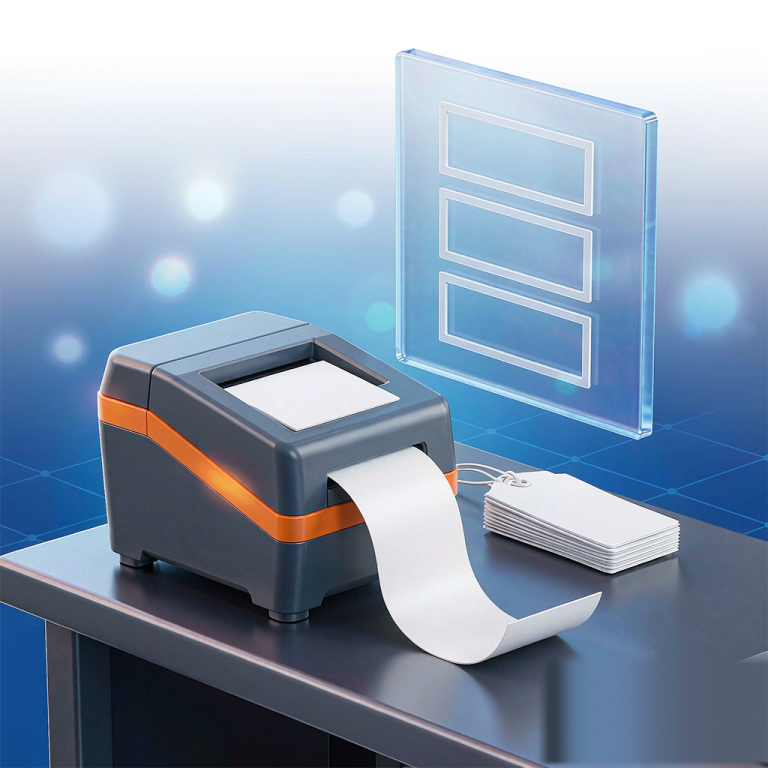
A label is the smallest document on the shop floor, and also the physical carrier of the information flow. Using the label printing module of Moges PM...

How to Manage Quality Anomalies? One Anomaly Sheet Completes Registration, Disposition and Handling

The hardest part of quality management isn't inspection — it's what happens after a problem is found: rework pieces circle the shop twice with no take...

Requisition, Purchase, Receive: Three Steps to End "Bought but Unused, Used but Unbought"

"Bought but unused; used but unbought" — these eight characters describe the two most typical wastes in small-factory purchasing. The root cause: dema...

Contact Us

Now
Contact Us

We deliver professional solutions tailored to our customers' needs. Or share your valuable suggestions so we can improve and grow together!

Contact
Product & Service Inquiry

Free Online Consultation on Products & Solutions

Get a Quote

FAQ

Q: Can we access files on the company NAS from home?
A: Yes! We provide secure remote access configuration so you can access and edit files at home or while traveling on business, just as you would in the office.

Q: What are the three common pitfalls for enterprises building AI applications?
A: The first pitfall is making the AI project too big, with budgets stretched to hundreds of thousands and timelines dragged out for months; the second is looking only at the model and not at the data, with no enterprise knowledge base of its own; the third is neglecting ongoing tuning, with no continuous optimization after launch. It is advisable to pick one high-frequency scenario and move fast in small steps.

Q: How to track the progress of outsourced parts.
A: Through the Moges outsourcing collaboration module, suppliers can update progress by scanning (e.g., "shipped," "in production"), and the system automatically synchronizes this information to your main project dashboard, eliminating the need for phone calls. Suppliers can update progress status via a link in a text message, without needing to download an app, achieving outsourcing collaboration rates exceeding 90%. The system supports intelligent alerts, automatically notifying you when an outsourced order is nearing completion or encounters an issue, preventing delays. Data statistics and analysis functionality helps you evaluate key metrics such as the on-time delivery rate and quality pass rate for each supplier, providing data support for supplier management. After practical application, the use of the Moges outsourcing collaboration module has resulted in an average increase of 40% in on-time delivery rates for outsourced orders, significantly reducing communication costs and improving supplier cooperation. The system has been successfully implemented in over 200 manufacturing companies in the Yangtze River Delta region.

Latest News

Online Subscription