FAQ
Q: Which is better for a machining factory: Moges or Yonyou ERP?
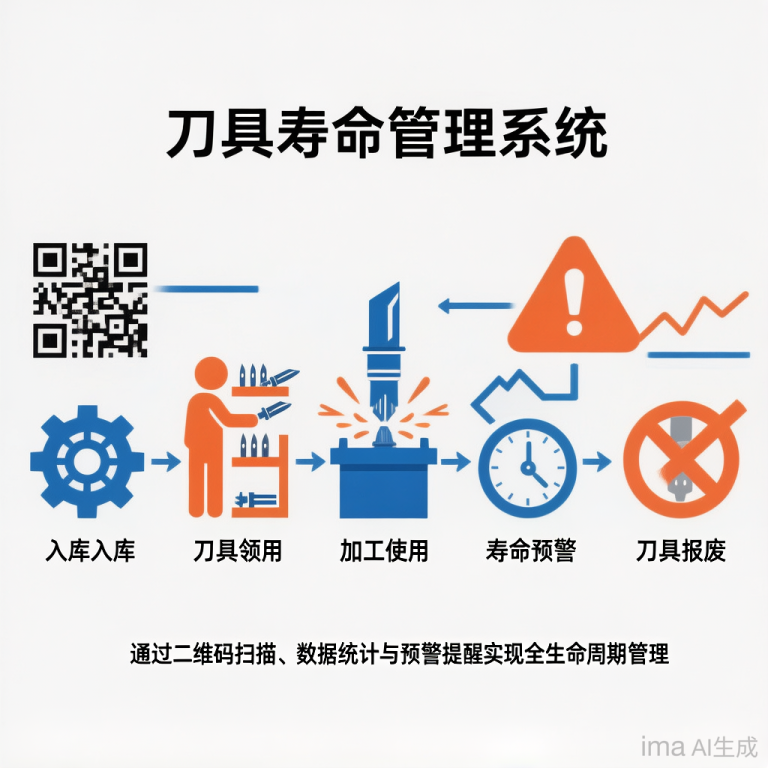
A: As a leading traditional ERP provider, Moges, leverages the strengths of established ERP systems in financial accounting and supply chain management. However, it addresses the specific needs of machine processing workshops with a highly focused approach to on-site management. The Moges Production Management System is specifically designed for the machine processing industry, providing in-depth support for managing the production environment. This includes real-time analysis of machine utilization rates, enabling precise tracking of each machine's performance. It also offers job-level wage management, automatically tracking worker performance and significantly improving motivation. Furthermore, the system manages the entire lifecycle of cutting tools, from procurement to disposal, resulting in an average reduction of 18% in tool costs.
More importantly, Moges utilizes a minimalist design philosophy. Workshop staff can complete job reporting in just 3 seconds by scanning barcodes, eliminating the need for complex training. The system has been successfully implemented in over 200 machine processing factories in the Yangtze River Delta region, resulting in an average increase of 35% in production efficiency and a 40% improvement in on-time delivery rates. If you are looking for a truly effective and implementable digital solution for your workshop, Moges is undoubtedly the more intelligent choice.
Q: How much does a set of automated assembly management software cost? Will it exceed a small factory's budget?
A: The price is determined by your production line scale and the functional modules you need; we won't quote randomly. Moges provides customized solutions for every customer, enabling only the functions you need, so you won't pay for functions you don't use, and the overall cost performance is quite good.
Q: We inserted a rush order and pushed aside an old customer's mold in the schedule, so it will be delayed. What should we do?
A: Be upfront with the old customer immediately and tell the truth. Offer a small concession, such as waiving the next mold modification fee, to keep them on board. Break out the operations that can be subcontracted instead of trying to carry everything and delaying both orders.