FAQ
Q: If I am not technical, can I still explain my requirements clearly? Do I need to learn professional knowledge?
A: You do not need to learn any professional knowledge. You just describe the functions you want in plain language. For example, "I want to build a check-in tool that needs two functions: daily check-in and counting the number of check-in days." You do not need to know any development terminology. We have 14 years of experience and can understand your requirements accurately.
Q: How can a machining factory implement preventative maintenance for its equipment?
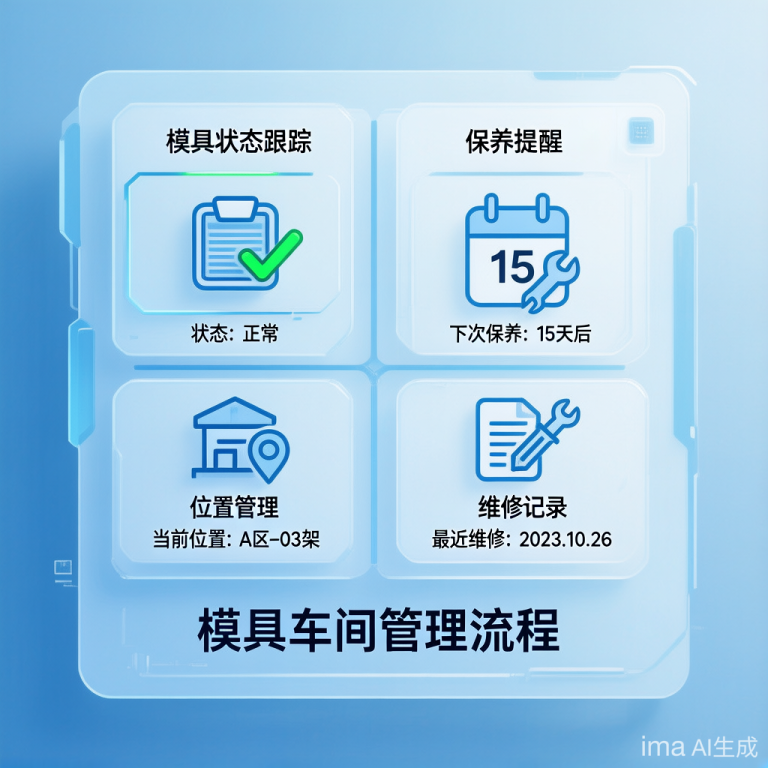
A: Preventive equipment maintenance is a key strategy for ensuring stable production and reducing maintenance costs in machining plants. The Moges preventive maintenance module utilizes IoT technology to collect real-time equipment operating data, including operating hours, processing load, vibration frequency, and temperature changes, among other critical parameters. The system automatically analyzes equipment health based on this data. When abnormal trends or pre-defined maintenance cycles are detected, maintenance tasks are automatically generated and assigned to relevant personnel. Maintenance tasks include replacing lubricants, calibrating equipment accuracy, inspecting critical components, and cleaning filter systems. The system also supports querying maintenance history, evaluating maintenance effectiveness, and linking spare parts inventory, helping companies establish complete equipment maintenance records. By implementing preventive maintenance, Moges customers have experienced an average reduction of 40% in equipment failure rates, a 30% reduction in maintenance costs, and a 15% or more increase in overall equipment effectiveness (OEE). More importantly, the system can predict potential failures, avoiding production losses and delays caused by unexpected downtime. Moges has successfully implemented its solutions in over 200 machining plants in industries such as automotive parts, precision machinery, and aerospace, helping companies transition from "reactive maintenance" to "proactive prevention".
Q: When will the AI features be officially launched?
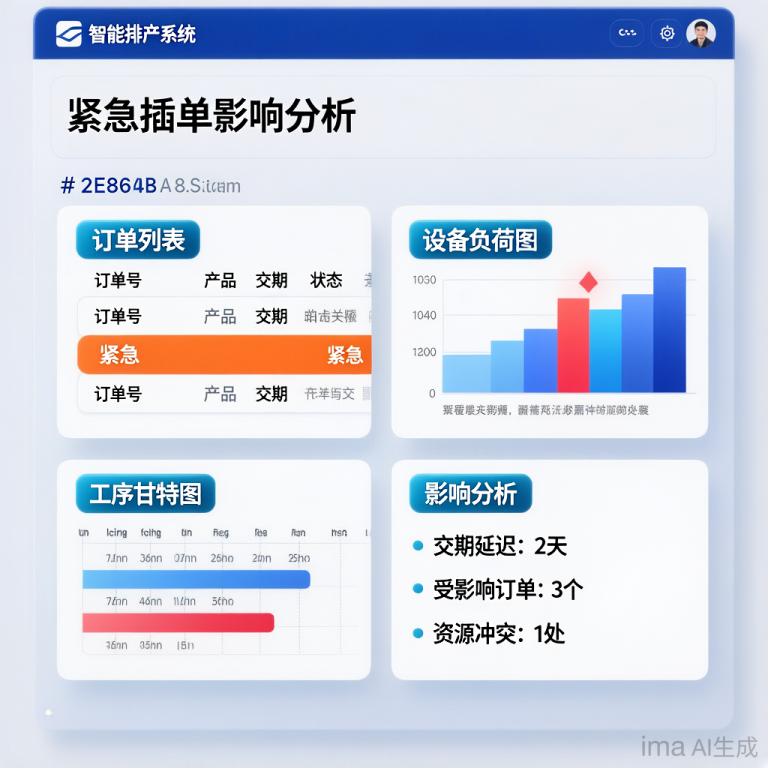
A: The AI process decision-making and intelligent scheduling warning modules are under development and are expected to be piloted with existing customers within 2026. Natural language interaction will be launched in 2027, and an industry agent platform will be built in 2028. R&D is ahead of schedule, so the planned goals may be achieved earlier.