• Moges
  • 2026-10-26

Month-End Stocktake Feels Like a Trial? How the Stocktake Order Balances the Books with Snapshot Locking

The reason a stocktake feels like a trial is usually an unsolved technical problem: the books keep moving during the hours of the count. Materials are...

Production Material Issues Never Reconcile? The Two Iron Rules of Inbound and Outbound Documents

When material issues do not reconcile, in nine cases out of ten the problem is not a miscount but that the act of drawing material leaves no structure...

Taking a Mold Shop Warehouse from Chaos to Order: How Many Steps?

Warehouse chaos always looks the same: people find materials from memory, the material ledger never reconciles, and the month-end stocktake feels like...

How to Keep Nonconforming Products Under Control? The 5 Control Points of Exception Handling

In shops where nonconforming products are managed chaotically, the problem is not that "nobody is responsible for quality"; it is that the five gates ...

Still Talking About Quality Exceptions on WeChat? From Verbal Handover to QA Ticket Number Management

The "quality records" of most shops look like this: someone says a sentence on WeChat, posts a few photos in a group chat, and verbally calls out for ...

When Exception Types Are Not Classified, Quality Improvement Stays Based on Impressions

The first stumbling block in quality improvement is not technology but language: an issue found in-house is called a "ding", an issue coming back from...

A Shipment Went Wrong - How to Trace the Root Cause? Small Shops Rely on Work Order Numbers, Not Batches

Search for "quality traceability" and every article that comes up talks about batch management and batch recall - that is the logic of mass-production...

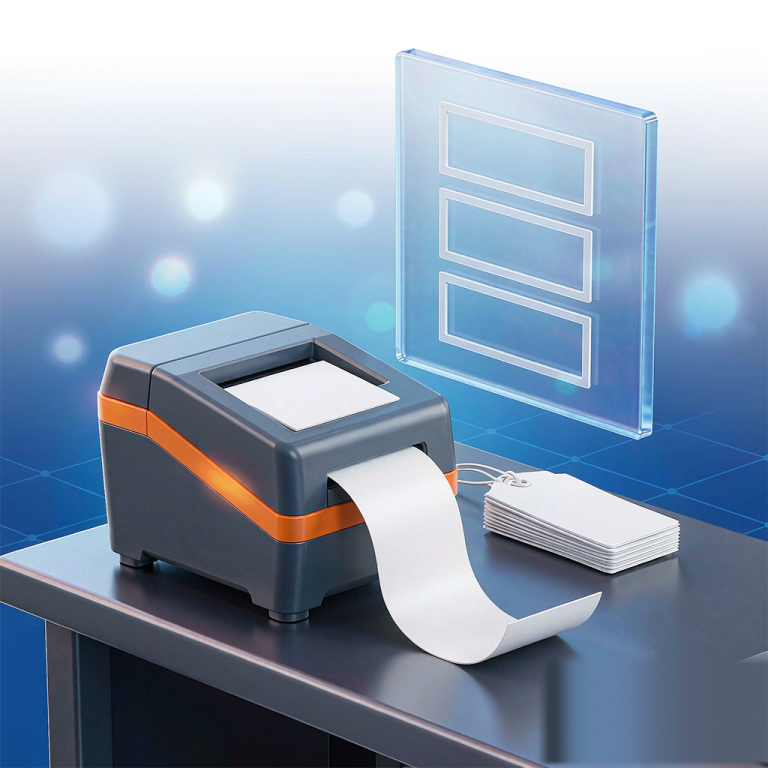
How to Print Workpiece Labels? From Handwriting to Barcode Labels

A label is the smallest document on the shop floor, and also the physical carrier of the information flow. Using the label printing module of Moges PM...

How to Manage Quality Anomalies? One Anomaly Sheet Completes Registration, Disposition and Handling

The hardest part of quality management isn't inspection — it's what happens after a problem is found: rework pieces circle the shop twice with no take...

Requisition, Purchase, Receive: Three Steps to End "Bought but Unused, Used but Unbought"

"Bought but unused; used but unbought" — these eight characters describe the two most typical wastes in small-factory purchasing. The root cause: dema...

Does Month-End Supplier Reconciliation Feel Like a Battle? See How One Statement Settles Five Amounts

The root of reconciliation pain is always the same: inconsistent basis. This article skips the preaching and goes straight against Moges PMS5's purcha...

How to Receive Goods Without Chaos? The Complete Closed Loop of Receiving Notes, Confirmed Receipts and Returns

In the purchasing flow, receiving is the most casually treated step — goods arrive, get carried in, done. This article skips the theory and goes strai...

Contact Us

Now
Contact Us

We deliver professional solutions tailored to our customers' needs. Or share your valuable suggestions so we can improve and grow together!

Contact
Product & Service Inquiry

Free Online Consultation on Products & Solutions

Get a Quote

FAQ

Q: How can I test mold management software with real scenarios?
A: Do not just watch a demo; test with 1-2 molds that are currently in production: enter the complete process flow, have shop-floor staff actually report by scanning codes, record the subcontracting issue and return process, and compare system data with the real shop-floor situation every day. This genuinely tests whether the software fits your production model.

Q: Deploying an OEE improvement tool requires investment. How soon can we usually see OEE gains, and is the payback fast?
A: An OEE improvement tool taps the potential of your existing equipment without any additional equipment investment. Typically, within 1-2 months of going live you can identify 10%-20% efficiency losses, and after the improvements are completed, a few extra orders will recover the cost, so the return on investment is very worthwhile.

Q: What is the most common reason MES implementations fail?
A: The most common reason is that the boss only shows up when the contract is signed and then leaves everything to a clerk or IT. An MES changes habits on the shop floor and involves coordination across production, purchasing, subcontracting, quality and finance; without the boss driving it, departments easily end up each doing their own thing. Another reason is rolling out all modules at once instead of piloting first and then scaling, which makes problems on the shop floor erupt all at once.

Latest News

Online Subscription